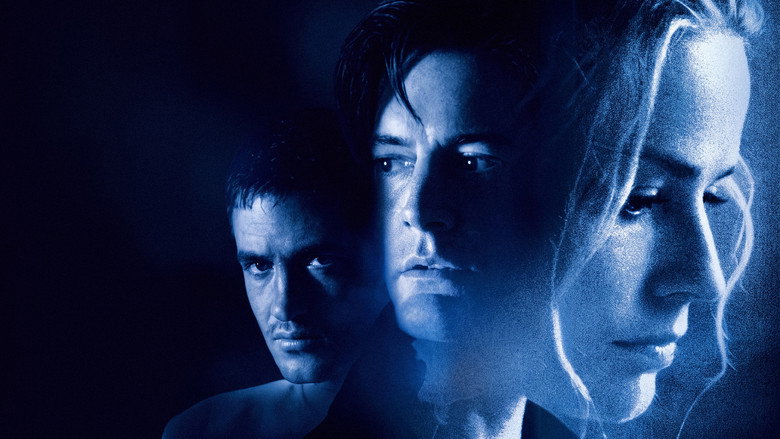
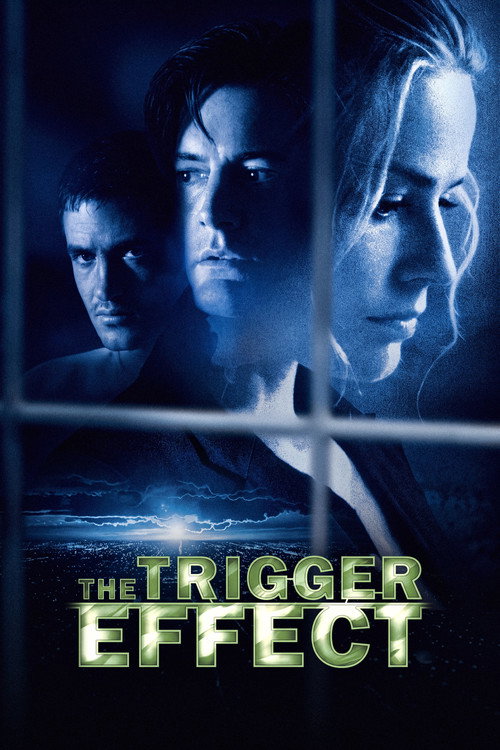


How quickly does civilization unravel once the grid fails? The Trigger Effect, a 1996 drama-thriller, takes that question seriously, picturing Los Angeles without electricity and tracing the slow erosion of everyday courtesy as uncertainty takes hold. Nearly three decades on, it still works as a restrained, quietly disquieting study of infrastructure, anxiety, and the fragile boundary between community and chaos.
A Suburban Nightmare in the Dark: The Premise
Everything begins in familiar territory. Matthew (Kyle MacLachlan) and Annie (Elisabeth Shue) share a comfortable suburban home outside Los Angeles with their baby girl, relying — as most of us do — on the steady hum of modern utilities. Then, without warning, the electricity cuts out.
Initially it registers as an inconvenience: dead appliances, no cooling, no phone messages. But the lights never return. As the outage stretches on, unease spreads through the community. Talk of theft and break-ins circulates, and Matthew, along with his friend Joe (Dermot Mulroney), starts thinking about safeguarding the house.
What elevates the stakes is the couple's infant daughter, who has fallen ill and requires medicine. Fetching it means traveling through streets where the old rules have gone quiet, turning a simple errand into a gamble. The marketing line captures it plainly: when nothing works, anything goes.
Standout Cast and Performances
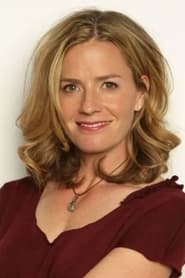
A reliable group of mid-nineties American actors anchors the story. Kyle MacLachlan portrays Matthew as an ordinary man whose calm steadily erodes as circumstances worsen, while Elisabeth Shue gives Annie both tenderness and steel — a mother whose worry for her child outweighs any instinct to wait things out.
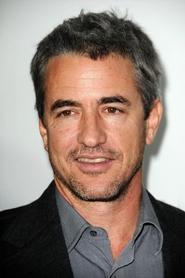
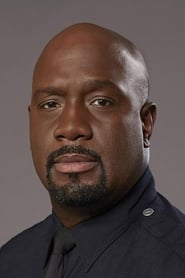
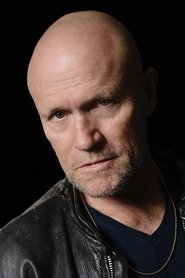
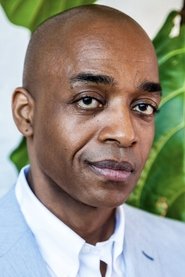
Dermot Mulroney's Joe complicates the household dynamic, staying with the family as the blackout drags on and quietly testing the loyalties within it. Richard T. Jones, Michael Rooker, and Rick Worthy fill out the supporting ranks, lending the darkened city a sense of growing unpredictability.
With the narrative kept so tightly contained, the actors shoulder most of the drama. Suspense builds not through spectacle but through the sight of sensible, level-headed people struggling to remain so as the world around them keeps shifting.
David Koepp Behind the Camera
David Koepp — among the busiest screenwriters in Hollywood — both wrote and directed the film, and it stands as an early display of his instincts behind the camera. His approach favors low-burning tension over big set pieces, letting the dead grid itself generate much of the dread.
The project also enjoyed serious backing: Michael Grillo produced under the Amblin Entertainment banner, with Gramercy Pictures and Universal Pictures supporting distribution, lending the modest thriller a studio-level sheen.
The technical work holds up as well. Newton Thomas Sigel's photography lends the powerless city a subdued, jittery atmosphere, James Newton Howard's music heightens the rising anxiety without tipping into melodrama, and editor Jill Savitt paces the compact 94 minutes with steady control.
Themes, Tone, and Style
Beneath the plot sits a meditation on dependence. Electricity underpins Matthew and Annie's entire way of life, and Koepp probes what survives of social order once that bedrock disappears. The film asks pointed questions about necessity, legality, and what people will rationalize when survival is on the line.
Tonally, it plays more like a simmering drama than an action picture. Unrest and violence tend to arrive secondhand — through rumor and hearsay — leaving the danger feeling simultaneously remote and unavoidable. That approach lends the movie an almost observational quality, closer to a family-under-stress case study than a disaster epic.
A social undercurrent runs through it too. The outage reveals the fault lines of suspicion running beneath the community, showing how swiftly distrust and self-preservation emerge once people feel exposed. It's a small film carrying outsized concerns.
Who Will Enjoy It
Anyone who likes grounded, speculative stories about ordinary people confronting systemic failure will find plenty here. Admirers of Elisabeth Shue and Kyle MacLachlan get to see both in a taut, character-first mode rather than their usual genre fare.
It also rewards viewers interested in David Koepp's directing career, or in nineties studio thrillers that engaged seriously with social worries. Those hoping for a loud, effects-driven disaster ride should adjust accordingly: this is a hushed, psychological portrait of collapse, drawing its strength from restraint rather than scale.
Where to Watch
Audiences in the United States can access The Trigger Effect digitally, either renting or buying it. Purchase and rental options include the Apple TV Store, Google Play Movies, Fandango At Home, Amazon Video, and YouTube, offering several straightforward ways to stream it at home.
Since availability shifts over time and between regions, it's smart to confirm the listing on your chosen service before movie night.
Similar Titles Worth Exploring
If a city plunged into darkness sounds compelling, plenty of other films and series tackle societal unraveling from different angles — tales of infrastructure collapse, urban turmoil, and families improvising through crisis make natural companions to this one.
Koepp revisited the fragility of civilized behavior shortly afterward with his 1998 film A Stir of Echoes; though different in genre, his fascination with ordinary people under extraordinary strain is a thread worth tracing. Fans might also seek out other mid-nineties thrillers mixing domestic drama with social anxiety, a niche this movie occupies comfortably.
And for viewers drawn to the thought-experiment angle, stories that treat catastrophe as a window into human nature — rather than an excuse for spectacle — pair especially well.
Frequently asked questions
What is The Trigger Effect about?
The story centers on Matthew and Annie, a suburban Los Angeles couple whose community descends into turmoil during a complete power failure. With their baby ill and needing medicine, they face progressively harder choices as normal order falls away.
Who stars in The Trigger Effect?
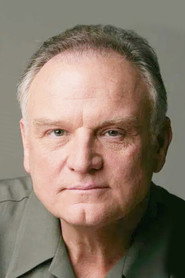
Kyle MacLachlan plays Matthew, Elisabeth Shue plays Annie, and Dermot Mulroney plays Joe. Supporting roles are filled by Richard T. Jones, Michael Rooker, Rick Worthy, and Bill Smitrovich.
Who directed The Trigger Effect?
David Koepp wrote and directed the film. Michael Grillo produced it, with Amblin Entertainment, Gramercy Pictures, and Universal Pictures involved.
How long is The Trigger Effect?
It runs about 94 minutes — a tight, focused thriller that keeps its lens on a small circle of characters during the blackout.
Where can I watch The Trigger Effect in the US?
US viewers can rent or buy it digitally via the Apple TV Store, Google Play Movies, Fandango At Home, Amazon Video, and YouTube. Offerings can change, so verify on your preferred platform.











Comments (0)
Log in or create a free account to comment, rate and write reviews.