

 Movie
76
Heart of the Beast
2026
Show streaming availability for
United StatesUS United KingdomGB CanadaCA AustraliaAU IrelandIE New ZealandNZ IndiaIN TürkiyeTR GermanyDE AustriaAT SwitzerlandCH FranceFR BelgiumBE ItalyIT SpainES MexicoMX ArgentinaAR ColombiaCO ChileCL NetherlandsNL SwedenSE NorwayNO DenmarkDK FinlandFI PolandPL PortugalPT BrazilBR JapanJP South KoreaKRGenre
Few genres keep audiences as consistently on edge as the thriller. Built on tension, uncertainty, and high personal stakes, thrillers turn ordinary situations into pressure cookers and force characters into decisions where every option carries a cost. This guide explains what defines the genre, how its stories are typically constructed, and which recent titles offer a good entry point for newcomers.
Movie
76
2026
 Movie
62
 Movie
71
2026
 Movie
61
2026
 Movie
62
2026
 Movie
2026
 Movie
70
2026
 Movie
72
2026
 Movie
76
 Movie
58
2026
 Movie
65
2026
 Movie
40
2025
 Movie
85
2008
 Movie
72
2026
 Movie
77
 Movie
76
2026
 Movie
82
2026
 Movie
2026
 Movie
74
2026
 Movie
64
2026
 Movie
80
2026
 Movie
2026
 Movie
64
2026
 Movie
72
2026
 Movie
70
 Movie
68
2026
 Movie
2026
 Movie
63
2007
 Movie
74
2026
 Movie
61
2026
Few genres keep audiences as consistently on edge as the thriller. Built on tension, uncertainty, and high personal stakes, thrillers turn ordinary situations into pressure cookers and force characters into decisions where every option carries a cost. This guide explains what defines the genre, how its stories are typically constructed, and which recent titles offer a good entry point for newcomers.
At its core, a thriller is a story designed to generate sustained suspense and anticipation. Unlike horror, which leans on fear of the supernatural or the grotesque, thrillers usually ground their tension in plausible threats: pursuit, deception, ticking clocks, or hidden enemies. The protagonist is often an ordinary person pulled into extraordinary circumstances, or a skilled professional whose competence is tested to its limit.
Pacing is the genre's signature tool. Thrillers alternate between moments of calm and bursts of danger, keeping viewers guessing about what happens next. Information is deliberately withheld or revealed at strategic points, so the audience often knows slightly less, or slightly more, than the characters, and that gap fuels the suspense.
Thrillers tend to explore themes of survival, trust, betrayal, and moral compromise. A ticking-clock structure is a frequent device: the hero must accomplish something, escape somewhere, or stop someone before time runs out. Cat-and-mouse dynamics between hunter and hunted are another staple, as are conspiracy plots in which the protagonist gradually uncovers a truth that powerful forces want buried.
Storytelling often relies on misdirection. Red herrings, unreliable allies, and last-minute reversals keep the narrative unpredictable. Endings typically resolve the central danger, but not before the protagonist has been pushed close to their breaking point, and often changed by the ordeal.
The thriller has always been a flexible label rather than a rigid formula. Over time it has absorbed elements from other genres, producing many recognizable offshoots: psychological thrillers focused on unstable minds, action thrillers built around physical danger, survival thrillers set against hostile environments, and techno- or disaster-driven stories about large-scale catastrophes.
In recent years, the genre has continued to hybridize. Survival and disaster scenarios, zombie-infested worlds, high-stakes heists, and character-driven mysteries all sit comfortably under the thriller umbrella. The common thread remains the same: relentless forward momentum and the sense that the protagonist's next choice really matters.
The current slate shows just how wide the genre's range has become.
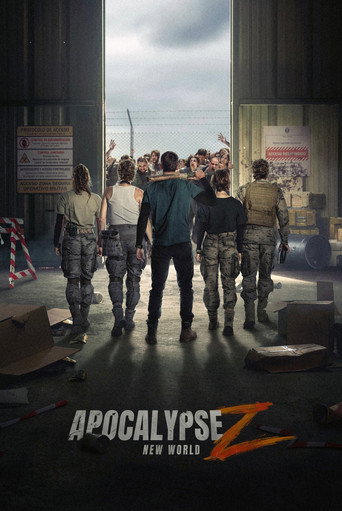
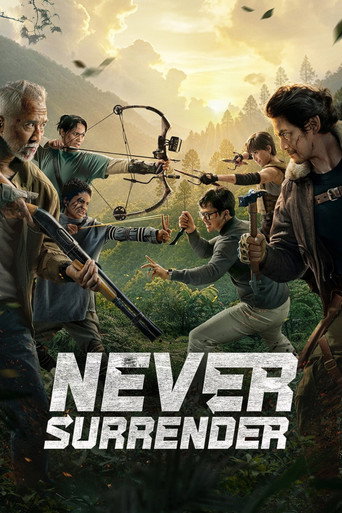
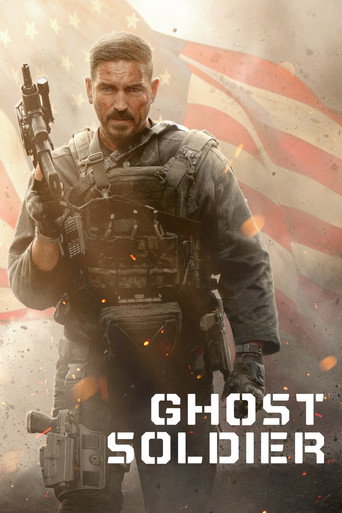
Start by deciding what kind of tension you enjoy. If you prefer intellectual games, look for psychological thrillers and mysteries like Verity. If you want physical stakes and set pieces, action-oriented entries such as Ghost Soldier or Never Surrender are safer bets. Viewers drawn to large-scale peril may prefer disaster-tinged stories like War of the Worlds (2025) or Apocalypse Z: New World (2026).
Checking the premise and tone before committing also helps. Some thrillers are relentless from the first scene, while others build slowly toward a late payoff. Reading a spoiler-free synopsis and noting whether a film leans toward survival, conspiracy, or pursuit will usually tell you whether its rhythm matches your mood.
Thrillers build suspense from plausible threats like pursuit, deception, or ticking deadlines, while horror typically relies on fear of supernatural or monstrous forces. The two overlap, but thrillers emphasize tension and anticipation over shock and dread.
No. While many thrillers include danger or confrontation, some generate suspense almost entirely through psychological pressure, secrets, and moral dilemmas. The level of violence varies widely depending on the film's subgenre and tone.
Common subgenres include psychological, action, survival, crime, conspiracy, and disaster thrillers. Each shifts the source of tension, whether it is the protagonist's mind, a physical ordeal, a criminal plot, or a large-scale catastrophe.
Yes. It belongs to the disaster-thriller tradition, using a large-scale threat to humanity to drive suspense, alongside spectacle and survival elements.
A character-driven entry like Verity (2026) suits viewers who prefer suspense built on mystery and psychology, while those wanting constant momentum may prefer survival or action-leaning titles such as Fall 2: Deadpoint or Never Surrender.
We use essential cookies to run this site. With your permission we also use analytics cookies to improve it and advertising cookies (Google AdSense) to show relevant ads that keep the site free. You can change your choice at any time. Cookie policy
Your browser sends a Global Privacy Control signal. We respect it: personalised advertising stays switched off.