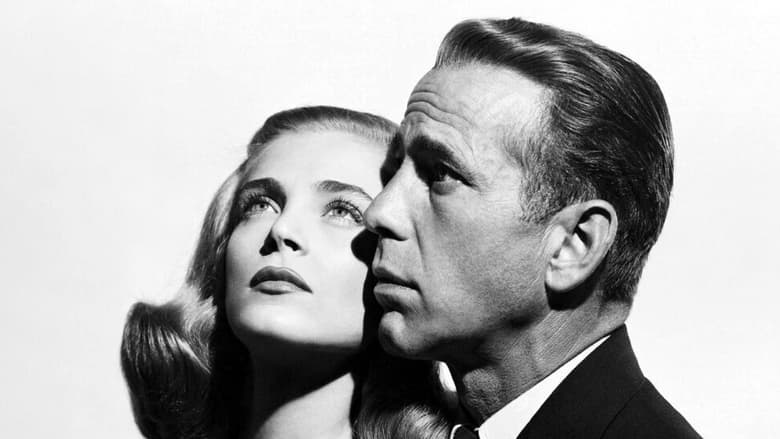
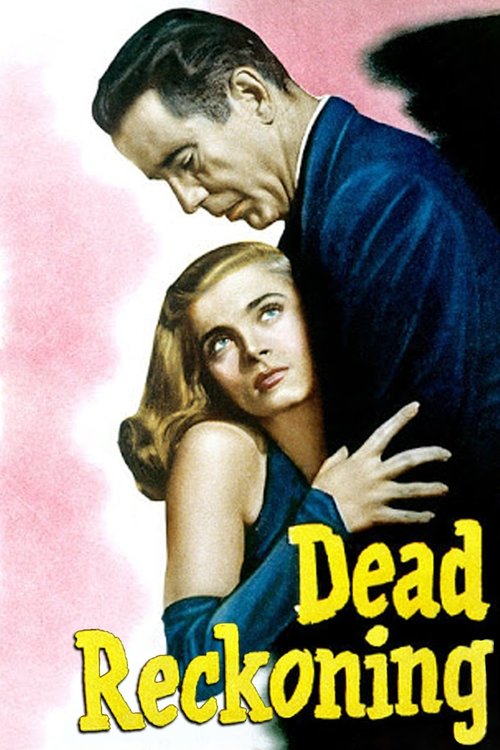


Humphrey Bogart's name is practically synonymous with noir, and Dead Reckoning, which hit screens at the close of 1946, handed him one more brooding, hard-edged part. Helmed by John Cromwell and released through Columbia Pictures, the crime-mystery centers on a decorated paratrooper who won't rest until his friend's death makes sense, no matter how treacherous the road becomes.
The Story of Dead Reckoning
Capt. 'Rip' Murdock (Humphrey Bogart) and Sgt. Johnny Drake (William Prince) are celebrated soldiers en route to Washington, D.C., to be decorated for their wartime service. Yet Johnny, uneasy about the spotlight ahead of him, disappears from their train before it reaches the capital. Not long afterward, he is found dead, and Rip refuses to buy the official story.
His search for answers carries him to Gulf City, where he discovers that his friend had been living under an assumed name. Each clue only deepens the puzzle, and the questions Rip keeps asking soon attract the attention of figures determined to keep old sins hidden.
Dominating the mystery is Coral Chandler (Lizabeth Scott), an alluring woman whose ties to Johnny are anything but simple. Echoing the film's tagline, Rip trusts nobody, and he trusts the woman who may be orchestrating everything least of all.
Bogart Meets Scott: Noir Chemistry
Bogart invests Rip Murdock with the jaded, seen-it-all attitude that defined his noir persona. This is a soldier with no illusions left, someone who has witnessed enough dying to smell a lie, and Bogart makes his devotion to a fallen comrade ring true.
Across from him, Lizabeth Scott brings the icy, unreadable presence the femme fatale role requires. The picture served as an early career highlight for Scott, whose husky voice and watchful reserve make Coral Chandler endlessly ambiguous, a figure the camera never fully explains.
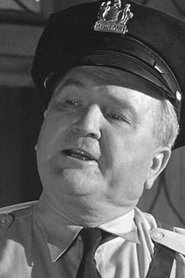
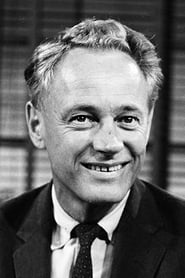
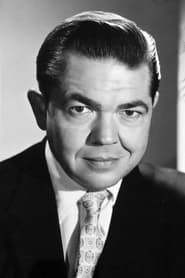
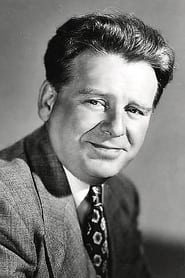
The supporting players deepen the atmosphere. Morris Carnovsky exudes understated menace as Martinelli, Marvin Miller cuts a sinister figure as Krause, and William Prince leaves a mark as the ill-fated Johnny Drake, whose concealed past powers the whole narrative. Veteran character performers such as Wallace Ford, James Bell, and George Chandler fill out the Gulf City world.
Behind the Scenes: Cromwell's Columbia Production
John Cromwell, an experienced studio director, keeps the investigation taut and purposeful, alternating between information-heavy scenes and bursts of real suspense. Steve Fisher and Oliver H.P. Garrett adapted the screenplay from a story by Sidney Biddell and Gerald Drayson Adams, embracing the flashback framework that mid-1940s noir fans recognized instantly.
Cinematographer Leo Tover supplies the film's shadowy, high-contrast look, while Marlin Skiles' music reinforces the atmosphere without swamping it. Gene Havlick's cutting keeps a convoluted plot of false names and concealed crimes easy to follow, which is no small accomplishment.
Produced by Biddell at Columbia Pictures, the picture belongs firmly to the postwar wave of Hollywood crime dramas that turned their attention to homecoming soldiers and the secrets they brought back.
Style, Tone, and Recurring Ideas
Dead Reckoning shares the era's fixation on war's lingering scars. Rip and Johnny are paratroopers, one wearing the Medal of Honor, and the movie implies that ceremonies and ribbons count for little beside what the men carried home. The hidden identity driving the plot is a tried-and-true noir device, and the flashback framing lets viewers assemble the truth alongside Rip.
The film keeps a tough, unsentimental edge. There are threats, pursuits, even a hand grenade, all steeped in the genre's trademark fatalism. Rip's suspicion of everyone around him, Coral above all, lends the picture its acrid flavor, while Gulf City emerges as a town where the truth never comes cheap.
In look and mood, it stands as a model of late-1940s American noir: shadowy, cynical, and anchored to a hero who simply cannot quit.
Who Should Watch It
Devotees of classic cinema and students of film noir history will find this essential. Admirers of Bogart's other crime films will relish his work here, and Lizabeth Scott's performance gives femme fatale aficionados a defining example of the type.
Mystery fans who prefer deduction over gunplay will also feel at home. Newcomers should expect 1940s storytelling habits, from stylized dialogue to a measured pace, but patience is rewarded with a rich, moody puzzle.
Streaming and Purchase Options in the US
American viewers have plenty of ways to see it. The film can be bought or rented through digital platforms such as the Apple TV Store, Google Play Movies, Fandango At Home, Amazon Video, and YouTube.
Those who prefer free viewing can stream it with advertisements on Tubi TV and YouTube Free, while subscribers will find it on fuboTV and YouTube TV. Given the range of choices, watching this noir gem is just a matter of picking your usual service.
More Films Like Dead Reckoning
If this picture sparks an appetite for 1940s noir, the decade is full of kindred works. Bogart's own crime films from that stretch are the obvious follow-up, packed with weary detectives and shadowed streets. Anything featuring Lizabeth Scott makes a smart next watch for those charmed by her here.
Viewers drawn to the film's subject matter should seek out postwar noirs about homecoming servicemen, assumed identities, and lethal women. The flashback investigation, the crooked city, and the femme fatale of uncertain loyalty all became genre fixtures, and Dead Reckoning makes an excellent gateway to them.
Frequently asked questions
What happens in Dead Reckoning (1946)?
Capt. Rip Murdock, a decorated veteran, probes the death of his friend and fellow paratrooper Johnny Drake. His search uncovers a false identity, a murder accusation, and the enigmatic Coral Chandler in a city riddled with cover-ups.
Who appears in Dead Reckoning?
Humphrey Bogart tops the bill as Capt. 'Rip' Murdock, joined by Lizabeth Scott as the femme fatale Coral Chandler. William Prince plays Sgt. Johnny Drake, with Morris Carnovsky, Marvin Miller, and Wallace Ford among the supporting cast.
Who was behind the camera for Dead Reckoning?
John Cromwell directed the picture for Columbia Pictures, working from a screenplay by Steve Fisher and Oliver H.P. Garrett that was based on a story by Sidney Biddell and Gerald Drayson Adams. Leo Tover handled the cinematography.
How can I stream Dead Reckoning in the US?
Rentals and purchases are offered on Apple TV Store, Google Play Movies, Fandango At Home, Amazon Video, and YouTube. Free ad-supported viewing is available via Tubi TV and YouTube Free, and subscribers can watch it on fuboTV and YouTube TV.
Does Dead Reckoning count as film noir?
Absolutely. It is a 1946 noir blending crime and mystery, complete with genre hallmarks: a hard-boiled veteran hero, a dangerous woman, concealed identities, a flashback narrative, and shadow-drenched photography.












Comments (0)
Log in or create a free account to comment, rate and write reviews.