



 TV
80
Genre
Best Crime movies & TV shows
Crime has been a cornerstone of television storytelling for decades, and it is easy to see why. Investigations give writers a built-in engine: a question is posed, clues accumulate, and answers arrive on a schedule the audience can feel. From veteran detectives to criminal profilers to reluctant mobsters, the genre keeps reinventing itself while holding on to the same essential promise that justice, or at least understanding, is within reach.
TV
80
 TV
84
The Mentalist
2008
 TV
83
Criminal Minds
2005
 TV
79
The 100
2014
 TV
87
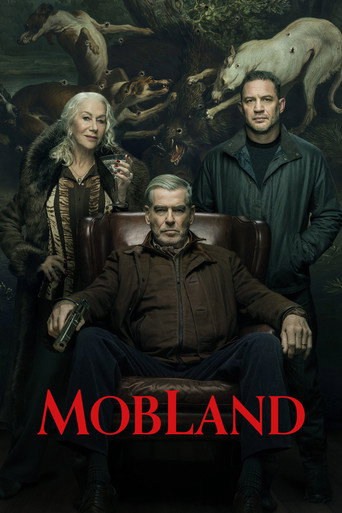
MobLand
2025
 TV
81
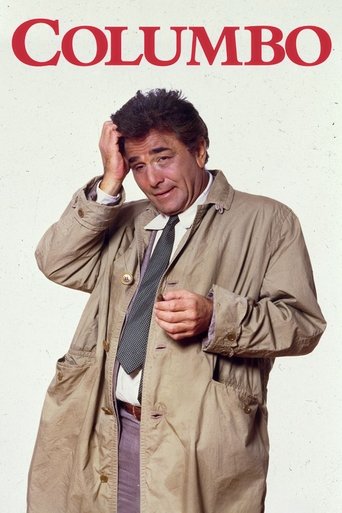
Columbo
1971
 TV
83
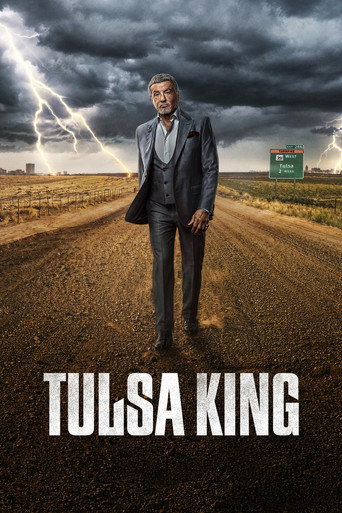
Tulsa King
2022
 TV
81
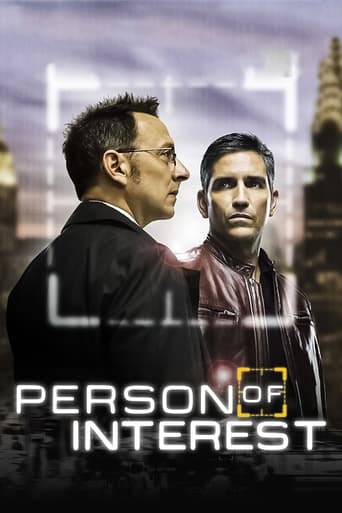
Person of Interest
2011
 TV
73
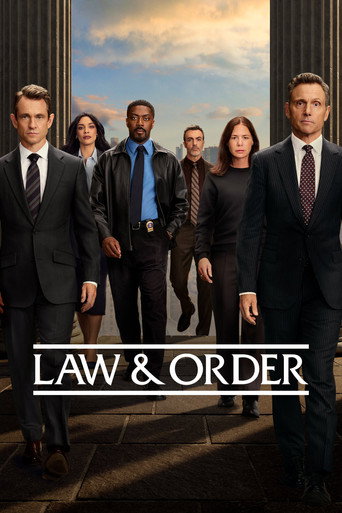
Law & Order
1990
 TV
76
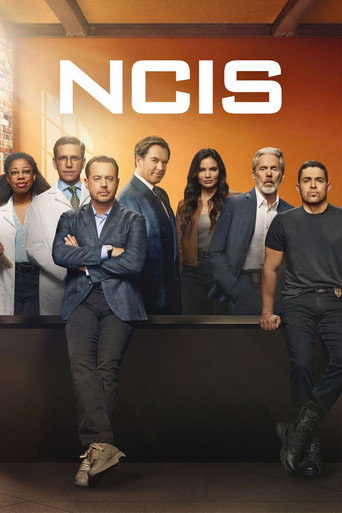
NCIS
2003
 TV
79
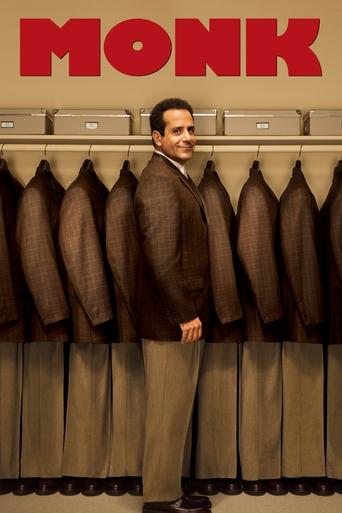
Monk
2002
 TV
79
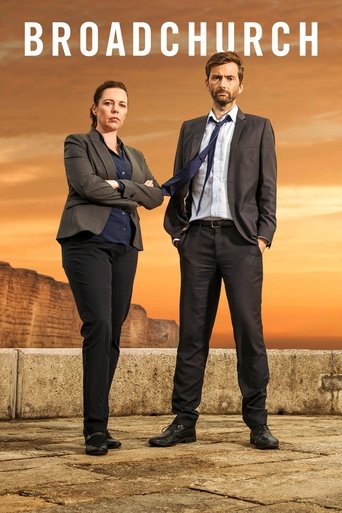
Broadchurch
2013
 TV
63
Tomorrow Is Ours
2017
 TV
81
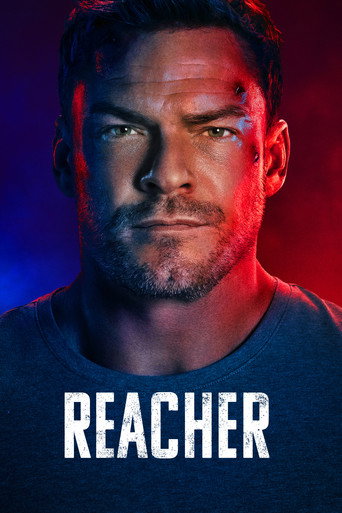
Reacher
2022
 Movie
71
Never Surrender
2026
 TV
76
 TV
85
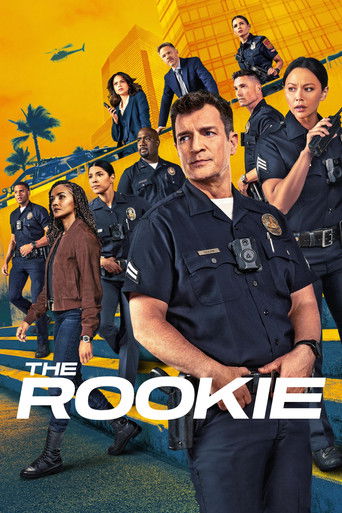
The Rookie
2018
 TV
55
C.I.D.
1998
 TV
80
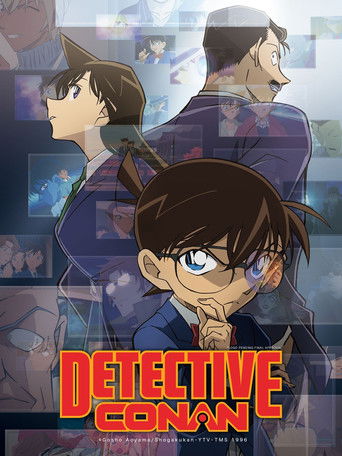
Detective Conan
1996
 TV
82
Bones
2005
 TV
43
EastEnders
1985
 TV
53
12 12 12
2026
 TV
85
Sherlock
2010
 TV
90
Breaking Bad
2008
 TV
75
Midsomer Murders
1997
 TV
82
Dexter
2006
 TV
62
Scene of the Crime
1970
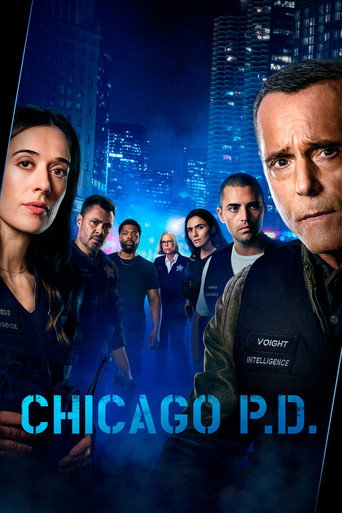 TV
84
Chicago P.D.
2014
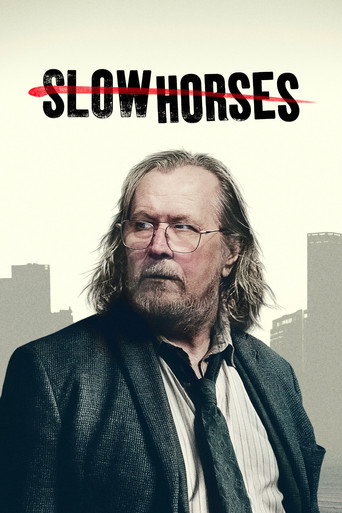 TV
81
Slow Horses
2022
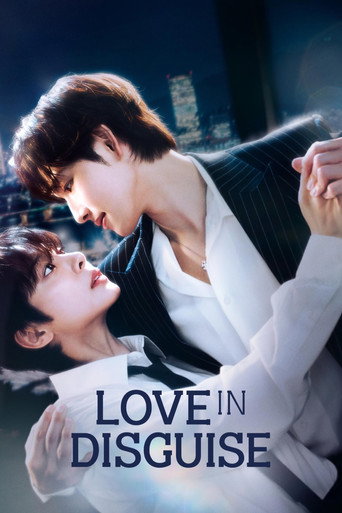 TV
91
Love in Disguise
2026
Crime has been a cornerstone of television storytelling for decades, and it is easy to see why. Investigations give writers a built-in engine: a question is posed, clues accumulate, and answers arrive on a schedule the audience can feel. From veteran detectives to criminal profilers to reluctant mobsters, the genre keeps reinventing itself while holding on to the same essential promise that justice, or at least understanding, is within reach.
What Defines the Crime Genre
At its core, a crime story centers on an offense, most often a serious one, and the effort to determine who is responsible and why. That simple skeleton supports an enormous range of shows, because the genre is defined less by subject matter than by structure: something has gone wrong, and the narrative moves toward resolution.
The second defining element is process. Whether the process belongs to police detectives, forensic technicians, prosecutors, or an amateur with an unusually sharp eye, viewers are invited to follow methodical steps: gathering evidence, interviewing witnesses, testing theories, and narrowing the field of suspects. The pleasure comes from watching order imposed on chaos.
Finally, crime stories are usually anchored in institutions, police departments, courtrooms, or the FBI, which gives them a procedural texture distinct from other genres. Even when the protagonist operates outside the law, as in organized crime dramas, there is still a system of rules, loyalty, and consequence driving the plot.
Common Themes and Storytelling Patterns
Justice is the genre's central theme, but it is rarely simple. Many series explore the gap between legal outcomes and moral ones, asking whether the system serves the people it claims to protect. Others focus on psychology: what motivates a criminal, and what it costs the person hunting them to understand that mind.
Structurally, television crime splits into two broad modes. The procedural delivers a self-contained case each episode, letting viewers drop in at any point, a format perfected by long-running franchises. The serialized approach, by contrast, spreads a single investigation or criminal enterprise across a whole season, trading weekly closure for deeper character work and mounting tension.
Character is often what elevates a good crime show into a great one. The genre has a fondness for investigators who are brilliant but difficult: obsessive, abrasive, or socially awkward in ways that both aid and complicate their work. Their flaws become part of the puzzle-solving, making each case a reflection of the person solving it.
How the Genre Evolved
Television crime began with straightforward detective stories, and the classic inverted mystery found an enduring home in Columbo, which premiered in 1971 and famously showed the audience the murderer from the start, making the fun lie in watching the rumpled lieutenant unravel the lie.
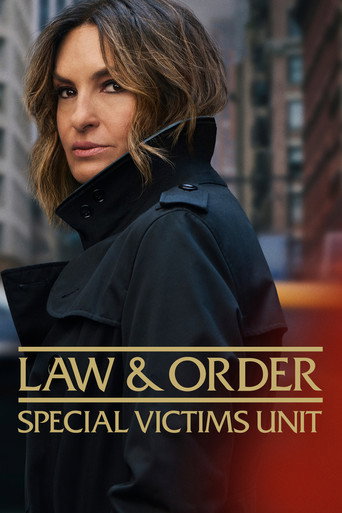
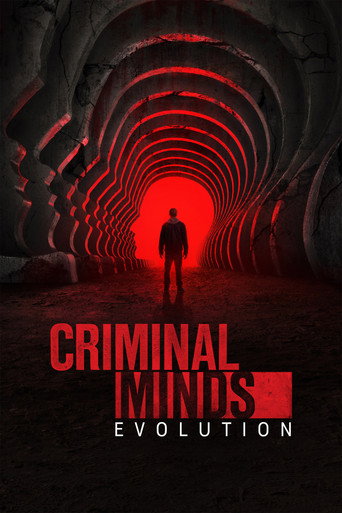
The 1990s and 2000s brought the rise of the franchise procedural. Law & Order arrived in 1990 and split its hour between investigation and prosecution, while its spin-off Law & Order: Special Victims Unit, launched in 1999, focused on especially sensitive crimes and became a fixture in its own right. NCIS followed in 2003, and Criminal Minds arrived in 2005 with a behavioral-analysis angle that shifted attention from physical evidence to criminal psychology.
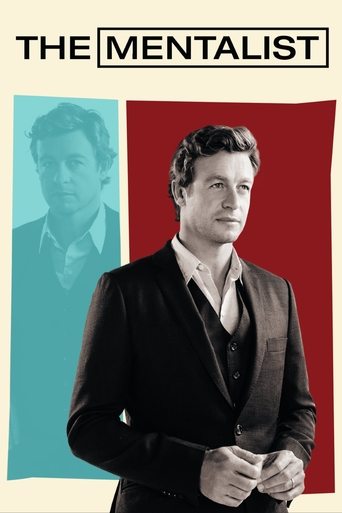
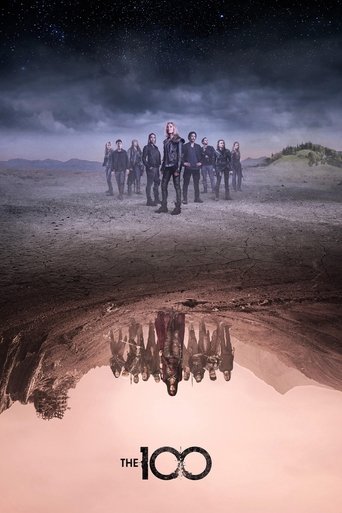
Recent decades have diversified the formula considerably. The Mentalist, from 2008, and Monk, from 2002, gave the genre charismatic, damaged consultants whose quirks drove both comedy and deduction. Person of Interest, starting in 2011, folded in surveillance technology and speculative questions. Broadchurch, in 2013, demonstrated how a single murder could devastate a small community, while The 100, from 2014, carried crime-adjacent questions of law and punishment into a post-apocalyptic setting. Most recently, MobLand in 2025 and Tulsa King in 2022 show the genre thriving from the criminal's side of the fence, with family loyalty and power struggles supplying the tension.
Standout Series Worth Knowing
For episodic comfort viewing, the franchise shows are hard to beat. Law & Order and its Special Victims Unit offer decades of self-contained cases, while NCIS blends military investigation with team banter. Criminal Minds remains the go-to for viewers who want the why behind a crime as much as the who.
Character-driven detective stories offer a different flavor. Columbo is a masterclass in construction, Monk pairs its mysteries with genuine warmth, and The Mentalist adds a con artist's charm to sharp observation. Person of Interest rewards viewers who like their procedurals with a technological edge.
For those preferring weightier, serialized drama, Broadchurch delivers an emotionally rich small-town investigation, while Tulsa King and MobLand approach crime from the inside, following characters who operate beyond the law and answering to no one but their own code.
How to Choose What to Watch
Start with structure. If you want shows you can sample casually, pick a procedural like NCIS or Law & Order: Special Victims Unit, where most episodes resolve on their own. If you prefer a story that builds and rewards full-season commitment, look to Broadchurch or MobLand.
Next, consider the point of view. Do you want to stand beside the investigators, as in Criminal Minds or Monk, or live inside the criminal world, as in Tulsa King? Both are crime stories, but they offer very different emotional experiences.
Finally, weigh tone. The genre spans grim and grounded to witty and warm, sometimes within a single series. Reading a synopsis or watching one episode is usually enough to tell whether a show leans toward bleak realism or character comedy, and there is room in any watchlist for both.
Frequently asked questions
What is the difference between a procedural and a serialized crime show?
A procedural resolves a new case in each episode, so viewers can watch in any order. A serialized crime show carries one investigation or storyline across an entire season, offering deeper character development but requiring consistent viewing.
Is Columbo a whodunit?
Not in the traditional sense. Columbo, which debuted in 1971, is an inverted mystery: the audience sees the killer commit the crime at the start, and the suspense comes from watching the detective gather the evidence that proves it.
Do I need to watch Law & Order before Law & Order: Special Victims Unit?
No. Although Special Victims Unit began in 1999 as a spin-off of the 1990 original, it stands on its own. The characters, setting, and format are introduced within the show itself, so new viewers can start there.
What makes Criminal Minds different from other crime shows?
Criminal Minds focuses on behavioral analysis rather than forensics. Its team studies patterns and psychology to profile unknown offenders, shifting the emphasis from physical evidence to understanding what motivates a criminal.
Are shows like Tulsa King and MobLand still crime dramas if they follow criminals?
Yes. The genre includes stories told from the criminal's perspective. Tulsa King and MobLand center on organized crime, using loyalty, power, and consequence in place of an investigation to drive the drama.