
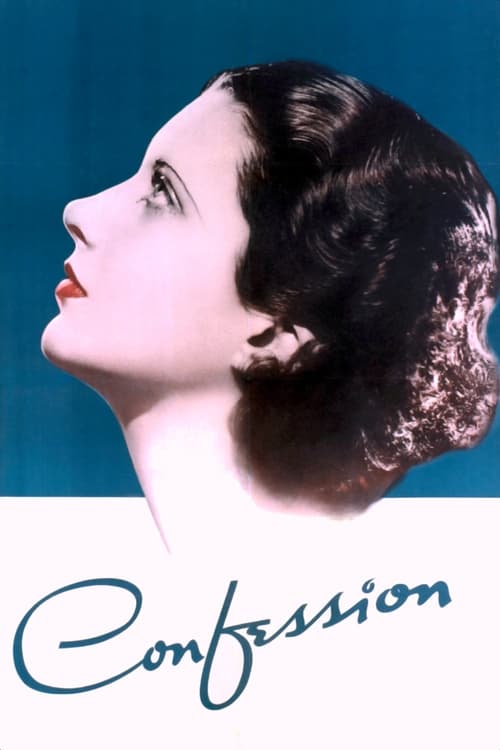
During the 1930s, Hollywood proved time and again that a courtroom could generate more suspense than any shootout or chase. Confession, a compact 87-minute drama that Warner Bros. put out in 1937, hangs its whole structure on one murder trial, allowing the connection between a slain musician and the woman charged with his death to surface gradually, memory by memory.
What Confession Is About
The setup is deceptively straightforward. Vera Kowalska, a singer whose glory days seem long gone, stands accused of killing Michael Michailow, a well-known concert pianist. Lawyers on both sides argue their positions while the presiding judge keeps order in a room charged with tension.
The picture's true power, though, lies in Vera's own account. Long flashback sequences show that Michailow had wrecked her existence years before, making the shooting less a senseless crime than the culmination of an old and festering wound. This device — a present-day killing illuminated by events from the past — was popular at the time, and here it keeps the audience perpetually reassessing where the guilt really lies.
Seduction, self-sacrifice, and a life destroyed by another's cruelty thread through the story, together with a mother-daughter relationship that grounds the courtroom spectacle in genuine feeling. Adding to the weight is the fact that the film draws on a true story.
Standout Cast and Performances
Kay Francis anchors the picture as Vera, in a part that suits her perfectly — dignified, hurt, and stubbornly composed. A dependable star on the Warner Bros. lot, she moves convincingly between the accused woman in the dock and the younger version of herself watching her world fall apart in flashback.
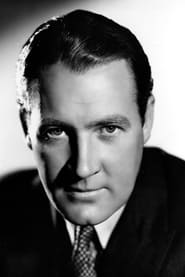
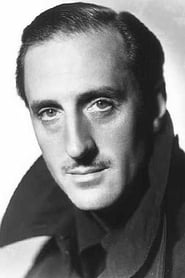
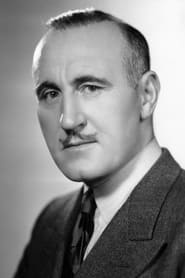
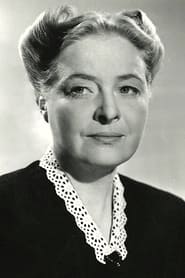
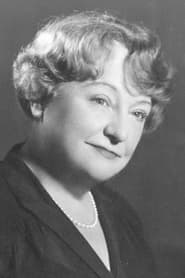
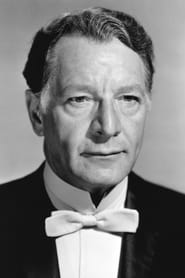
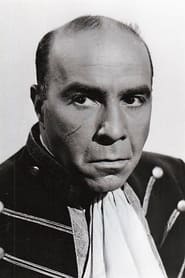
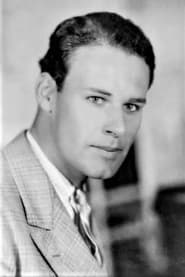
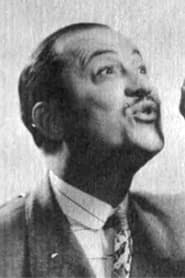
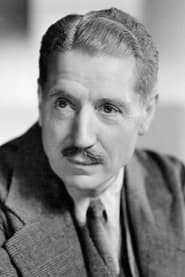
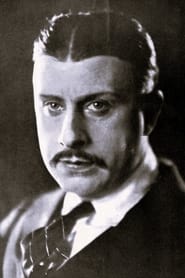
Basil Rathbone takes the role of Michailow, delivering a villain whose surface charm barely conceals his corrosive nature. Ian Hunter plays Leonide Kirow, and Jane Bryan appears as Lisa Koslov, an important figure in Vera's past. Donald Crisp brings authority to the bench as the presiding judge, and the supporting ranks are stocked as well: Dorothy Peterson as Mrs. Koslov, Laura Hope Crews as Stella, Mary Maguire as Hildegard, Robert Barrat as the prosecuting attorney, and Ben Welden handling the defense. The ensemble is a showcase for the studio's contract-player depth.
Director and Production
At the helm was Joe May, a director whose roots in German filmmaking gave his Hollywood projects a distinctly European flavor. Hans Rameau wrote the screenplay, and the movie itself is a remake — standard practice in that era, when established foreign stories were regularly adapted for American screens.
The production carried considerable studio weight. Hal B. Wallis and Jack L. Warner oversaw it as executive producers, while cinematographer Sidney Hickox lent both the trial scenes and the memory sequences a refined, moody look. James Gibbon's cutting keeps everything brisk — with a mere 87 minutes of running time, the film barely pauses for breath. Warner Bros. put it out in the United States in 1937, and its blend of crime and melodrama sat comfortably within the studio's signature style.
Themes, Tone and Style
Everything here is pure thirties melodrama, and the tagline — 'HEARTBREAK written in blood and tears!' — announces the emotional register up front. In practice, though, the film is steadier than that breathless promise implies. The trial framework disciplines the feeling, releasing revelations in measured doses instead of wallowing in sentiment.
Fundamentally, the movie examines the lasting damage one man's cruelty can inflict, and what a person will give up when old scores finally come due. Because the story alternates between the trial's chilly formality and the warmer, darker texture of remembered events, that contrast supplies much of its rhythm. The world of opera singers and concert pianists lends a touch of glamour to otherwise dark material.
Who Will Enjoy It
Lovers of Golden Age courtroom pictures and classic melodrama will take to it easily. Anyone drawn to films that use testimony as their storytelling engine — where the trial itself reveals the tale — will find much to appreciate. It also works well as an introduction to Kay Francis's particular screen appeal or to Basil Rathbone's roles before he became famous as Sherlock Holmes.
Thanks to its brief length, dialogue-driven approach, and unambiguous sense of right and wrong, the film holds up for contemporary viewers who sometimes struggle with slower thirties fare. Expect, however, the heightened emotional style of the period — the promised tears arrive in abundance.
Where to Watch
Audiences in the United States have several ways to see the film. It appears on subscription streaming services, and digital rental platforms also offer it. Since availability changes from time to time, it's smart to verify with your chosen service before planning a viewing.
Similar Titles Worth Exploring
Viewers who respond to the trial-plus-flashback formula can dig into a deep catalog of vintage courtroom cinema. Pictures in which a defendant's hidden history comes out through sworn testimony — where what the trial uncovers matters more than the verdict itself — pair naturally with this one.
Admirers of Kay Francis might track down her other Warner Bros. melodramas from the same stretch of years, while those who relish Basil Rathbone's gift for urbane menace can study his villainous performances on their own terms. Enthusiasts of thirties crime pictures — that blend of moral urgency and studio polish — will find many kindred works from the era's big studios, Warner Bros. above all, since this film embodies that house style so completely.
Frequently asked questions
What is the 1937 film Confession about?
It's a courtroom drama in which Vera Kowalska, played by Kay Francis, is tried for murdering concert pianist Michael Michailow, played by Basil Rathbone. Through flashbacks during the trial, the film reveals that the pianist had ruined Vera's life years earlier.
Who stars in Confession (1937)?
The film stars Kay Francis as Vera Kowalska and Basil Rathbone as Michael Michailow, with Ian Hunter, Jane Bryan, Donald Crisp, Laura Hope Crews, Dorothy Peterson, Mary Maguire, Robert Barrat, and Ben Welden in supporting roles.
Who directed Confession and which studio made it?
Confession was directed by Joe May from a screenplay by Hans Rameau, produced by Warner Bros. Pictures with Hal B. Wallis and Jack L. Warner as executive producers. It was released in the United States in 1937.
How long is Confession (1937)?
The film runs 87 minutes, a tight runtime typical of 1930s studio pictures, and blends the crime and drama genres with a courtroom framing device and flashback storytelling.
Is Confession based on a true story?
Yes. The film is identified as being based on a true story, and it is also a remake, reworking a previously produced story for American audiences under the Warner Bros. banner.










Comments (0)
Log in or create a free account to comment, rate and write reviews.