
 Movie
77
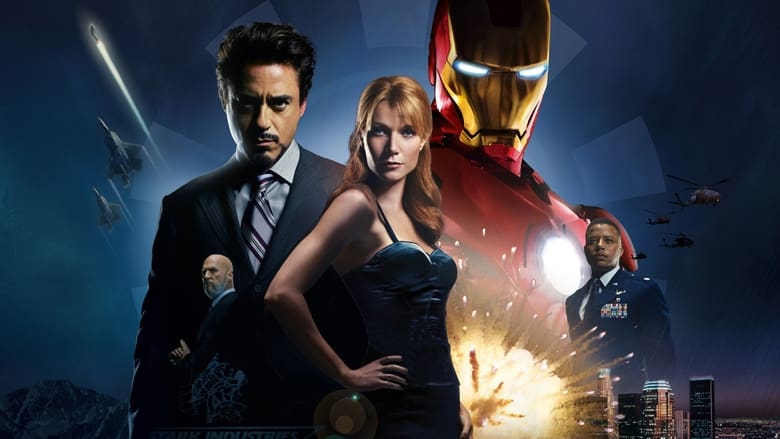
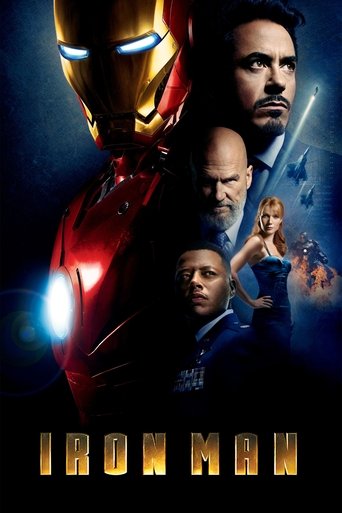
Iron Man
2008
Show streaming availability for
United StatesUS United KingdomGB CanadaCA AustraliaAU IrelandIE New ZealandNZ IndiaIN TürkiyeTR GermanyDE AustriaAT SwitzerlandCH FranceFR BelgiumBE ItalyIT SpainES MexicoMX ArgentinaAR ColombiaCO ChileCL NetherlandsNL SwedenSE NorwayNO DenmarkDK FinlandFI PolandPL PortugalPT BrazilBR JapanJP South KoreaKRGenre
Few genres let cinema tackle life's largest questions the way science fiction does. What if our inventions advance faster than our judgment? How would everyday individuals cope with a world transformed in a single day? Set aboard a starship, in a ruined metropolis, or inside a lab one experiment away from catastrophe, sci-fi turns speculation into a mirror of the present. The guide below unpacks the genre's essentials, its favorite story patterns, and how to land on something worth watching tonight.
Movie
77
2008
 Movie
64
2024
 Movie
78
 Movie
85
 Movie
2026
 Movie
75
2026
 Movie
69
2026
 Movie
74
 Movie
72
2012
 Movie
68
 Movie
70
 Movie
77
2026
 Movie
40
2025
 Movie
82
2026
 Movie
70
 Movie
86
2026
 Movie
83
2019
 Movie
72
2026
 Movie
85
2014
 Movie
76
2023
 Movie
69
 Movie
84
2010
 Movie
81
2024
 Movie
2026
 Movie
83
 Movie
74
2026
 Movie
81
2012
 Movie
76
2025
 Movie
76
2024
 Movie
78
2021
Few genres let cinema tackle life's largest questions the way science fiction does. What if our inventions advance faster than our judgment? How would everyday individuals cope with a world transformed in a single day? Set aboard a starship, in a ruined metropolis, or inside a lab one experiment away from catastrophe, sci-fi turns speculation into a mirror of the present. The guide below unpacks the genre's essentials, its favorite story patterns, and how to land on something worth watching tonight.
Fundamentally, science fiction is narrative built by extending genuine science or technology into the imagined. Its hooks might be interstellar travel, engineered genomes, thinking machines, altered timelines, or first contact with extraterrestrials, yet what unites them is a logical 'what if' that feels achievable. Fantasy may invent its own laws at will; sci-fi generally anchors its marvels in the realm of the possible.
That anchor shapes the drama. Whether a leviathan rises from the deep or a pathogen unravels society, the suspense flows from consequences that trace believable cause-and-effect chains. The strongest sci-fi takes its founding idea seriously, tracing how it would echo across politics, communities, and personal lives.
The genre circles back to certain concerns again and again: survival, the bond between humanity and its inventions, how fragile civilization truly is, and the moral costs of discovery. Characters are routinely dropped into extreme circumstances, an alien assault, a global collapse, a failed expedition, and the ordeal exposes their true nature.
In form, sci-fi leans toward high concepts: one bold idea you could summarize in a single line. Still, the finest works pair grandeur with personal stakes. A colossal creature may set the plot in motion, but the heart of the story tends to be a household, a spaceship crew, or a solitary researcher confronting guilt. Elaborate worldbuilding is another signature, as films and shows pour effort into designs, rules, and backstories that make their futures or catastrophes feel inhabited.
Screen science fiction started with simple trick-film novelties, then grew through Cold War-era stories of nuclear dread and spacefaring ambition. As visual effects improved, so did scale: what began as low-budget thrills eventually became blockbusters that carried speculative worlds into mainstream entertainment.
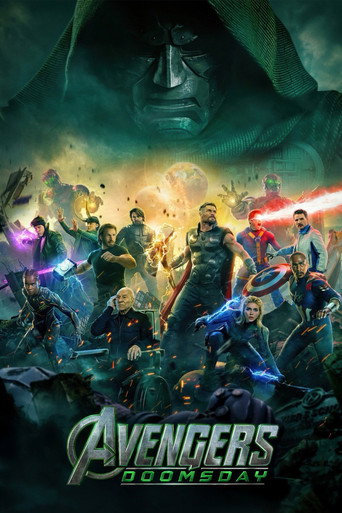
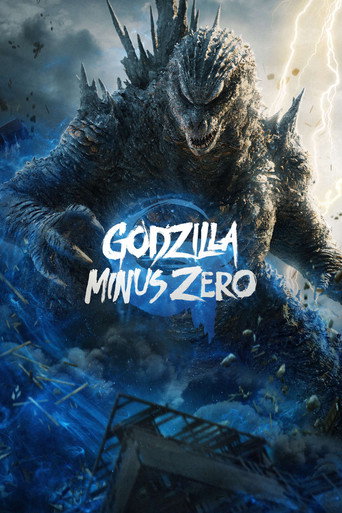
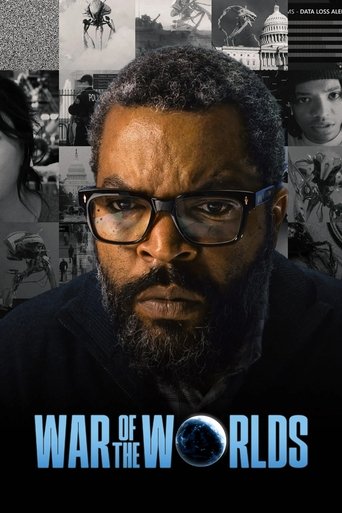
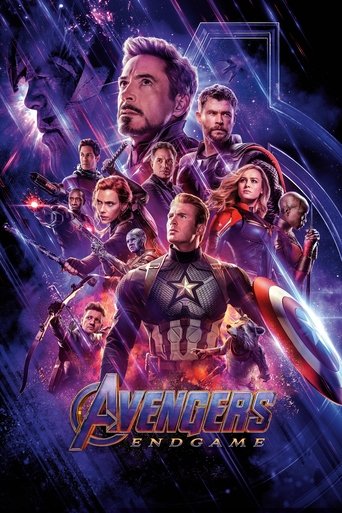
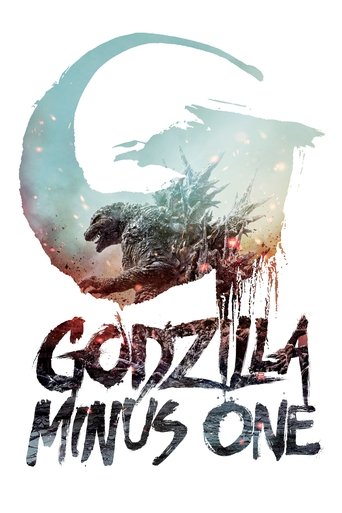
The past several decades reveal striking variety. Avengers: Endgame (2019) showed that long-form superhero sagas could operate as sweeping science fiction, while Godzilla Minus One (2023) earned widespread praise by concentrating on the human toll of a kaiju attack. Today's slate continues that spread: Project Hail Mary (2026) brings a beloved hard-science novel to the screen, War of the Worlds (2025) reimagines a classic invasion tale, and forthcoming titles such as Godzilla Minus Zero (2026) and Avengers: Doomsday (2026) keep pairing spectacle with substance.
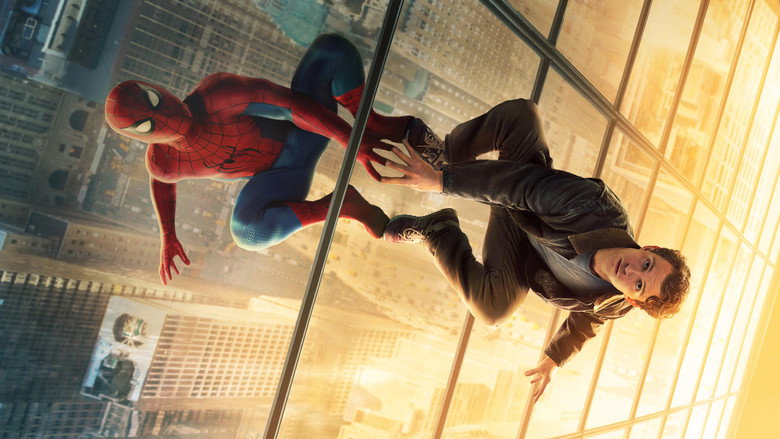
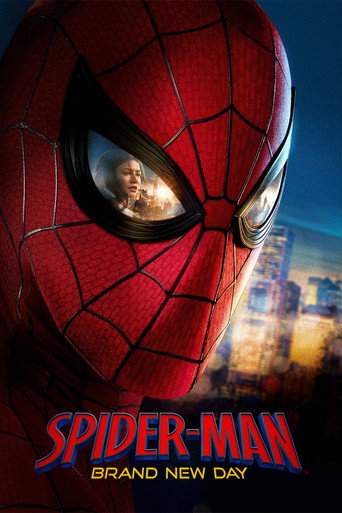
Between current and upcoming releases, there's an option for nearly every preference. Readers of the original book can anticipate Project Hail Mary (2026), a tale of survival powered by ingenuity instead of firepower. Those who enjoy sprawling ensemble action should watch for Avengers: Doomsday (2026), and Spider-Man: Brand New Day (2026) carries forward a hero born at the meeting point of science and mishap.
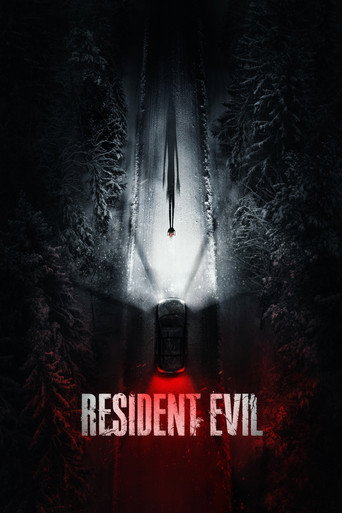
Kaiju devotees can choose between Godzilla Minus One (2023) and its successor Godzilla Minus Zero (2026), both grounded in the wreckage these beasts leave behind. Neighboring genres widen the field: Resident Evil (2026) merges science fiction with horror, Clayface (2026) embraces body horror, Robotica (2026) adds to the year's speculative slate, and Hope (2026) and Allen (2026) help make this an unusually crowded stretch for the genre.
Begin with the kind of speculation you enjoy. Craving rigorous science and clever problem-solving? Aim for hard sci-fi such as Project Hail Mary (2026). Want action inside a shared universe? The Avengers and Spider-Man entries deliver. In the mood for unease and atmosphere? Kaiju and horror hybrids like the Godzilla pictures or Resident Evil (2026) fit the bill.
It also helps to check whether a title adapts a familiar book or franchise, since that usually hints at the tone. Finally, weigh the scale: huge ensemble spectacles deserve a theater, while intimate, character-focused stories play perfectly well on your couch. Aligning mood with format is the easiest way to guarantee a satisfying movie night.
Sci-fi constructs its premise by extending real or believable science, whereas fantasy depends on magic and self-made rules that require no scientific basis. The test is whether the story's central notion could, at least in principle, be explained logically.
Frequently it does. Numerous superhero tales, among them Spider-Man: Brand New Day (2026) and Avengers: Doomsday (2026), revolve around lab accidents, futuristic technology, or transformed biology, which places them squarely under the science fiction tent.
Kaiju movies are usually shelved as science fiction, since their giant monsters typically stem from scientific or ecological origins. Godzilla Minus One (2023) and Godzilla Minus Zero (2026) both situate their creatures within the fallout of human decisions and scientific endeavors.
That varies by title. Installments in ongoing series, like Avengers: Doomsday (2026), reward prior knowledge, whereas self-contained works such as Project Hail Mary (2026) are built to welcome first-time viewers.
Hard sci-fi stresses scientific precision and technical problem-solving; soft sci-fi foregrounds people, societies, and philosophical questions, treating its speculative world as a stage. Both styles show up regularly across film and television.
We use essential cookies to run this site. With your permission we also use analytics cookies to improve it and advertising cookies (Google AdSense) to show relevant ads that keep the site free. You can change your choice at any time. Cookie policy
Your browser sends a Global Privacy Control signal. We respect it: personalised advertising stays switched off.