 Movie
75
Resident Evil
2026
Show streaming availability for
United StatesUS United KingdomGB CanadaCA AustraliaAU IrelandIE New ZealandNZ IndiaIN TürkiyeTR GermanyDE AustriaAT SwitzerlandCH FranceFR BelgiumBE ItalyIT SpainES MexicoMX ArgentinaAR ColombiaCO ChileCL NetherlandsNL SwedenSE NorwayNO DenmarkDK FinlandFI PolandPL PortugalPT BrazilBR JapanJP South KoreaKRGenre
Horror is one of cinema's most enduring genres, built on a simple promise: to unsettle. Whether through monsters, psychological dread, or creeping supernatural menace, horror films tap into universal fears and turn them into entertainment. This guide explains what defines the genre, how it has changed over time, and which current and recent titles are worth a look.
Movie
75
2026
 Movie
63
2026
 Movie
68
2026
 Movie
62
 Movie
61
2026
 Movie
77
2026
 Movie
68
2026
 Movie
65
2026
 Movie
77
 Movie
2025
 Movie
76
2023
 Movie
82
2026
 Movie
2026
 Movie
74
2026
 Movie
63
2026
 Movie
2026
 Movie
67
2026
 Movie
61
2026
 Movie
82
2026
 Movie
61
2000
 Movie
80
2009
 Movie
70
2026
 Movie
56
2026
 Movie
2026
 Movie
68
2026
 Movie
50
2019
 Movie
70
2026
 Movie
55
2026
 Movie
61
2026
 Movie
67
2022
Horror is one of cinema's most enduring genres, built on a simple promise: to unsettle. Whether through monsters, psychological dread, or creeping supernatural menace, horror films tap into universal fears and turn them into entertainment. This guide explains what defines the genre, how it has changed over time, and which current and recent titles are worth a look.
At its core, horror is designed to provoke fear, tension, or unease in the audience. That reaction can come from many sources: a lurking creature, an unreliable mind, a haunted location, or a threat that feels disturbingly ordinary. Unlike thrillers, which lean on suspense and plot mechanics, horror deliberately courts discomfort as part of the experience.
The genre is also remarkably flexible. It blends easily with science fiction, comedy, romance, and family drama, which is why horror-adjacent films often resist easy classification. What unites them is atmosphere: the sense that something is wrong beneath the surface of the everyday.
Horror stories tend to center on ordinary people confronting extraordinary threats. Popular themes include the corruption of the home and family, the danger of unchecked technology or science, possession and loss of self, and survival against overwhelming odds. The best entries use these fears as a lens for real anxieties rather than relying on shocks alone.
Storytelling often follows a slow build: small warning signs accumulate, skepticism gives way to dread, and the characters must finally face the threat directly. Pacing matters enormously, since a well-timed reveal or withheld image can be more effective than constant spectacle.
Horror has constantly reinvented itself. Early monster films gave way to psychological terror, then to slasher movies, and later to the found-footage and elevated-horror waves. Each cycle reacts to the one before it, trading explicit violence for atmosphere or vice versa.
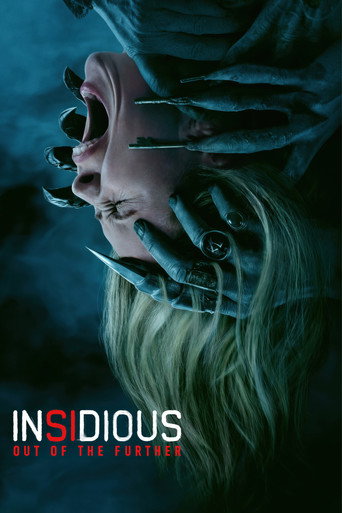
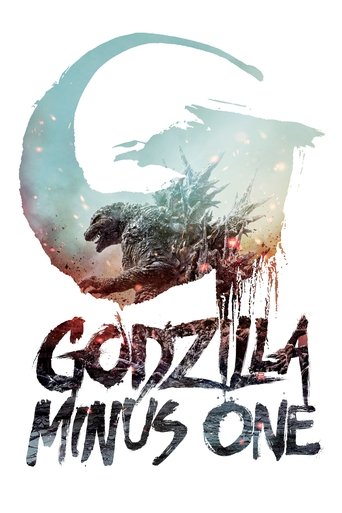
Today the genre spans everything from creature features and franchise sequels to quiet, character-driven chillers. Big-budget spectacles like Godzilla Minus One (2023) proved that monster movies could carry both visual scale and emotional weight, while long-running series such as Insidious continue with new chapters like Insidious: Out of the Further (2026), showing how franchises evolve with their audiences.
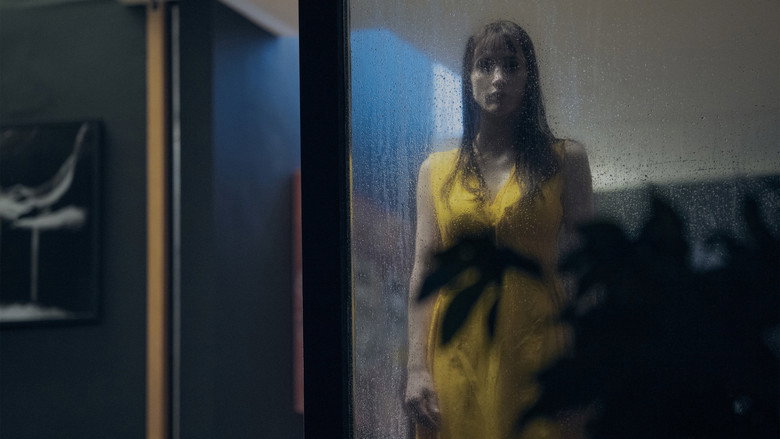
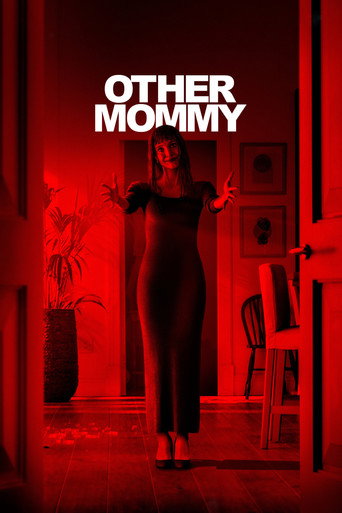
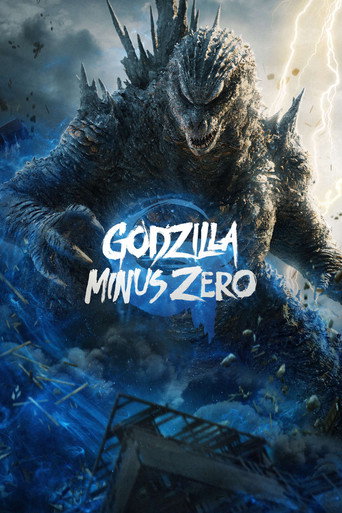
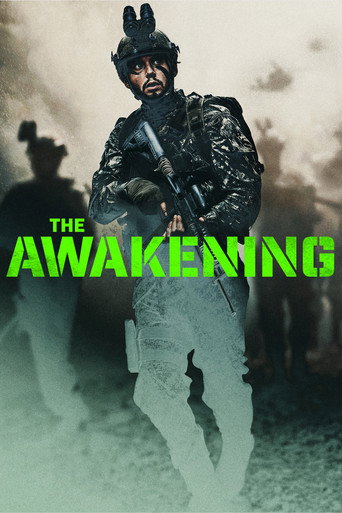
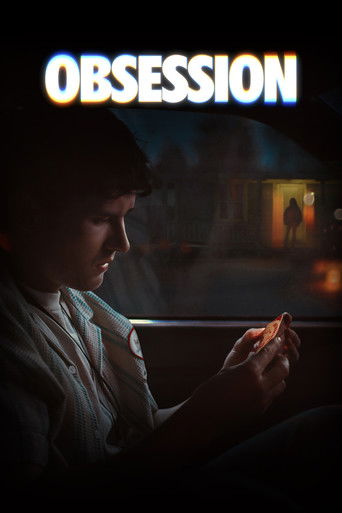
The current slate of releases shows the genre's breadth. Godzilla Minus Zero (2026) continues the monster-movie tradition, while The Anacondas (2025) taps into creature-feature territory with giant snakes. Supernatural and psychological stories are represented by Other Mommy (2026), Obsession (2026), and The Awakening (2026).
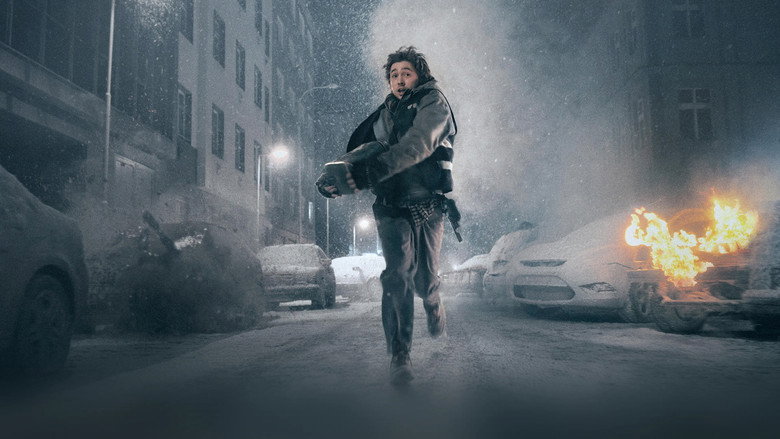
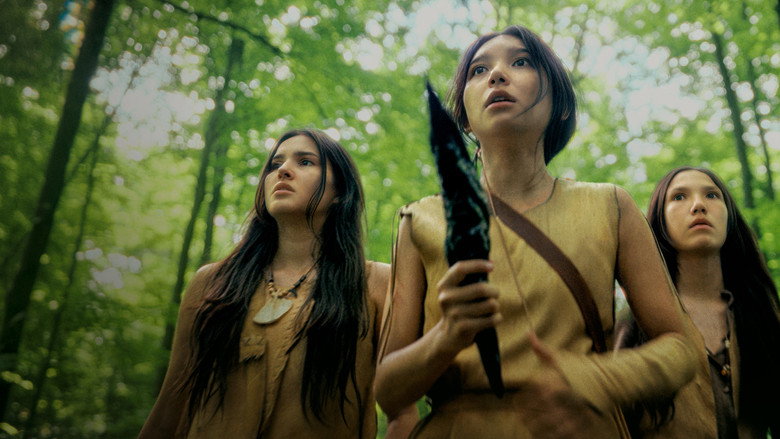
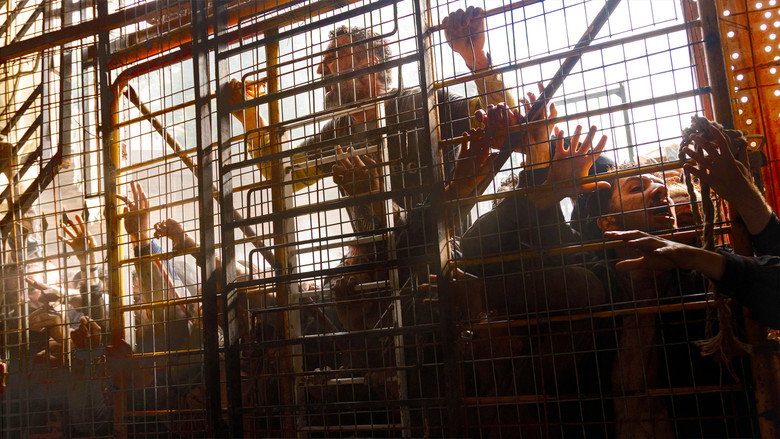
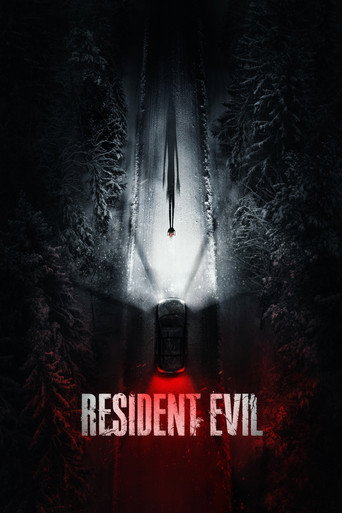
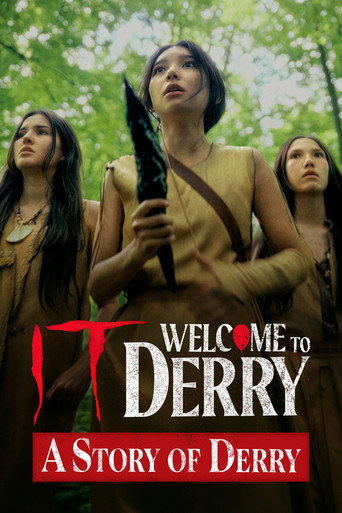
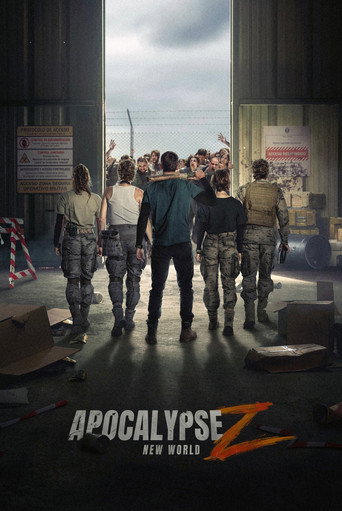
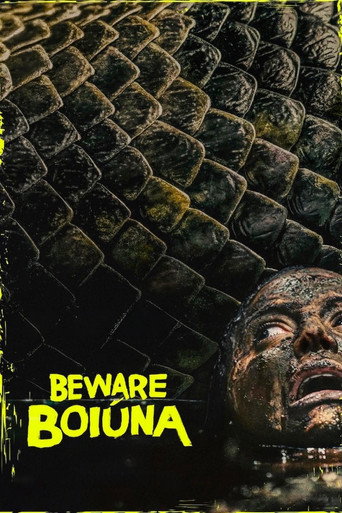
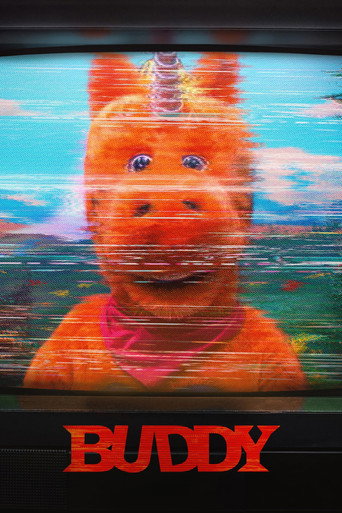
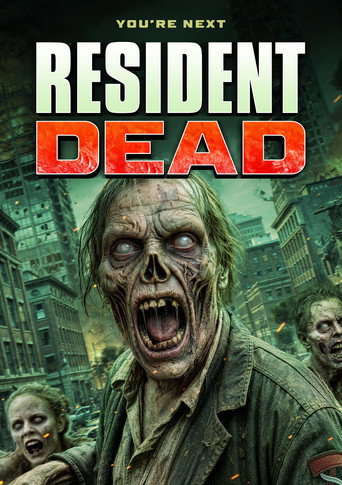
Franchise fans have plenty to follow: Resident Evil (2026) brings the video-game-inspired outbreak story back to screens, and A Story of Derry (2026) expands a well-known small-town horror setting. For different flavors, Apocalypse Z: New World (2026) offers a zombie survival premise, Beware Boiúna (2026) draws on South American folklore, and Buddy (2026) rounds out the list with its own take on the genre.
Start by deciding what kind of scare you want. If you prefer tension over gore, look for psychological or supernatural entries like Obsession or The Awakening. If you want spectacle, monster films such as the Godzilla titles deliver scale alongside their frights. Fans of survival stories may gravitate toward Apocalypse Z: New World.
Checking whether a title is part of a larger franchise also helps. Newcomers to a series like Insidious or Resident Evil may want to catch up on earlier entries first, while standalone stories like Beware Boiúna can be enjoyed without any prior knowledge.
A horror film is built to provoke fear, dread, or unease, whether through monsters, supernatural forces, psychological threats, or survival scenarios. Atmosphere and tension matter more to the genre than any specific monster or setting.
No. While some entries rely on explicit content, many horror films create fear through suspense, suggestion, and psychological tension. The genre ranges from quiet, atmospheric chillers to loud creature spectacles.
Godzilla Minus One (2023) is primarily a monster movie, but it uses horror techniques, including dread, destruction, and helplessness in the face of an overwhelming threat. It shows how the horror and monster genres overlap.
It depends on the series. Franchise entries often continue established storylines, so prior viewing can add context. Many are also designed to welcome new viewers, so checking the film's premise beforehand is a good approach.
Newcomers often do better with atmospheric or folklore-based stories, such as Beware Boiúna (2026), than with intense survival horror. Choosing based on whether you prefer suspense, spectacle, or slow-burn dread helps find the right fit.
We use essential cookies to run this site. With your permission we also use analytics cookies to improve it and advertising cookies (Google AdSense) to show relevant ads that keep the site free. You can change your choice at any time. Cookie policy
Your browser sends a Global Privacy Control signal. We respect it: personalised advertising stays switched off.