Few formats showcase character growth like the extended Korean serial, and Wind Flower stands as a solid example of that style. Broadcast in 2005, this Korean-language production stretched across 179 episodes, allowing its cast of characters to evolve, falter, and mature throughout one expansive season. Anyone exploring K-dramas from that era will find it a memorable title.
What Wind Flower Is About
Known in Korea as 바람꽃, Wind Flower follows the long-running serial tradition of Korean television, built to be consumed in steady installments as the cast and their circumstances change over time. At the center of the story is Kim Young-sil, brought to life by Hong Eun-hee, whose path drives the show's extended arc.
With a run approaching 180 installments, the drama favors slow, layered storytelling over rapid payoffs. Bonds form and strengthen little by little, tensions flare and quiet down again, and the ordinary rhythms of daily life carry as much weight as any major turning point. Audiences accustomed to compact twelve- or sixteen-episode K-dramas should prepare for a markedly slower tempo — more like a marathon than a dash.
While avoiding spoilers, it is safe to describe the series as rooted in personal and domestic territory: the struggles, loyalties, and aspirations that take shape across years rather than a single dramatic stretch.
Season Structure and Episode Format
The show comprises a single season of 179 episodes, launching its broadcast in January 2005 and wrapping up in August of the same year. This cadence mirrors the daily-drama model typical of Korean television, where episodes are produced at speed and delivered almost without pause.
For today's audiences, this means treating the show as a long-term commitment rather than a quick weekend binge. Individual episodes can generally be followed on their own, but the deeper satisfaction comes from tracking the characters across many dozens of chapters. The extended format also gives room for secondary players — and the series boasts a large ensemble — to receive attention that shorter dramas seldom afford.
Wind Flower carries an Ended designation, so there is no unfinished storyline or unresolved cliffhanger. The narrative closes fully within its 2005 broadcast window.
Main Cast and Characters
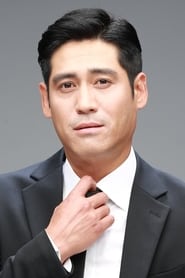
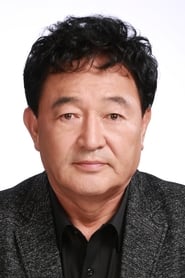
Hong Eun-hee headlines the production as Kim Young-sil, the figure around whom the entire story revolves. Lee Dal-hyung takes on Jang Man Geun, another significant named part in the narrative.
Surrounding the leads are Im Ho, Kim Min-joung, Lee Hyeong-cheol, Im Chae-mu, and Kim Sung-eun. In the manner typical of lengthy Korean serials, these supporting performers populate the show's world — relatives, coworkers, and neighbors whose arcs weave into the main storyline as the episode tally grows.
Daily serials of this length often test an actor's ability to inhabit one role across hundreds of hours, and the performers here shoulder that challenge. Their work favors the natural, measured approach the format requires, where a scene may hinge on a subtle change between characters rather than a dramatic reveal.
Production and Creative Background
Created for Korean television and delivered in the Korean language under the title 바람꽃, Wind Flower followed the demanding turnaround schedule standard for its genre and period, with installments shot and supplied continuously to match the broadcast calendar.
This model leaves visible marks on the finished show: locations and sets are used economically, plot threads are stretched or reshaped in response to the run's progress, and the writing keeps a steady serialized momentum instead of aiming for one big midpoint peak. For viewers abroad, the series offers a window into Korean television production at its most industrious during the mid-2000s.
Broadcast Status and Availability
Broadcasting began on January 31, 2005, and concluded with the last episode on August 27, 2005; the show now holds Ended status, confirming its run is finished. Every one of the 179 episodes belongs to that lone season, with no later seasons to seek out.
For audiences in the United States, Wind Flower is flagged as watchable in that region, though platform availability may differ and shift over time. As is common with older international programs, it is wise to verify current streaming listings before committing. Since the dialogue is in Korean, non-speakers should seek out subtitled editions.
Themes, Tone, and Style
Wind Flower adopts a grounded, character-first tone consistent with its long-form serial roots. Instead of flashy premises or genre stunts, the drama draws power from the buildup of everyday moments: domestic friction, personal goals, gentle reconciliations, and fortunes that shift slowly across the years.
Even the title — a flower borne on the wind — evokes something fragile and at the mercy of larger forces, and the show's emotional texture mirrors that image. Expect a sincere, earnest mode of storytelling that relies on patience and repetition to create meaning. It suits viewers who savor watching people change bit by bit, and less those seeking rapid plot escalation.
Who Will Enjoy Wind Flower
Devotees of classic Korean daily dramas and extended serial storytelling are the natural audience for Wind Flower. If you favor shows that move deliberately, assemble a broad cast of characters, and treat everyday life with dramatic weight, this series sits squarely in that lineage.
It also serves as a useful introduction to mid-2000s Korean television, an era when long-running serials dominated the broadcast schedule. Conversely, viewers who gravitate toward compact miniseries of a dozen or so episodes may find 179 installments intimidating. The most rewarding approach is to treat it as a slow, extended watch rather than a binge.
Where to Watch
Wind Flower is marked as available in the US. American viewers can search streaming services that host Korean drama libraries, remembering that older international titles sometimes move between platforms.
When looking it up, try both the English name Wind Flower and the Korean original 바람꽃 to be certain you have located the right 2005 series. Because the program was broadcast in Korean, confirm that any version you choose offers subtitles in a language you understand before beginning the lengthy viewing journey.
Frequently asked questions
How many episodes does Wind Flower have?
The series spans 179 episodes in one season. It broadcast from January 2005 through August 2005 and carries Ended status, meaning the story stands complete with no further seasons.
When did Wind Flower air?
Its first broadcast took place on January 31, 2005, with the final episode airing on August 27, 2005. The drama is in Korean and was originally titled 바람꽃.
Who stars in Wind Flower?
Hong Eun-hee plays Kim Young-sil and Lee Dal-hyung appears as Jang Man Geun; the supporting ensemble features Im Ho, Kim Min-joung, Lee Hyeong-cheol, Im Chae-mu, and Kim Sung-eun.
Is Wind Flower available to watch in the US?
Yes — the series is listed as viewable in the US region. Platform availability can differ and shift over time, so it is best to check current streaming catalogs and seek out subtitled editions.
What kind of drama is Wind Flower?
It is a long-form Korean serial in the daily-drama tradition, with a down-to-earth, character-focused tone. Its 179-episode length supports gradual character growth rather than fast-moving plots.





Comments (0)
Log in or create a free account to comment, rate and write reviews.