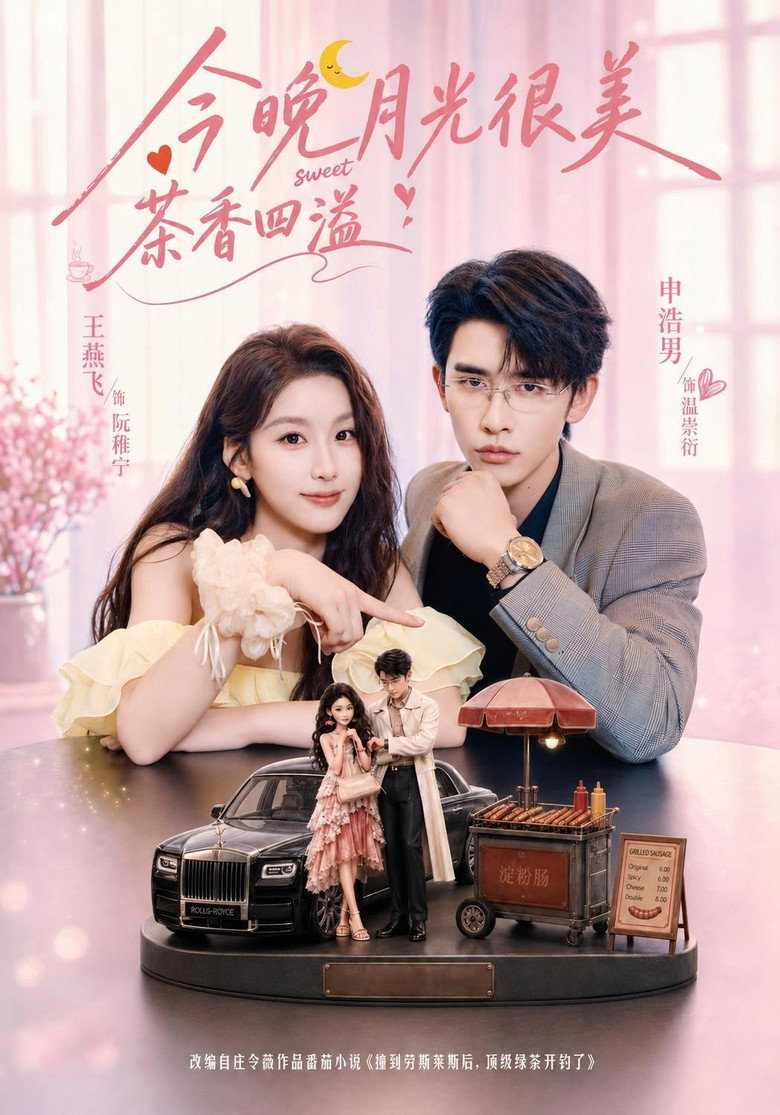
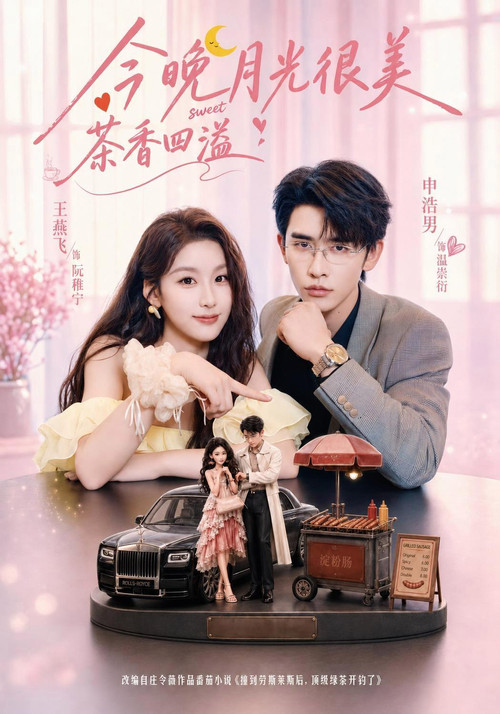
Short-form Chinese dramas have grown into one of streaming's most compulsively watchable formats, and Tonight the Moonlight Is Beautiful, Tea Fragrance Abounds (今晚月光很美,茶香四溢) shows exactly why. Arriving in 2026 and presented entirely in a vertical, snacking-friendly style, the series folds romance, mood, and everyday appeal into episodes short enough to finish during a quick tea break — an oddly fitting way to watch it.
What the Series Is About
This Chinese-language vertical drama embraces the soft, atmosphere-first storytelling that defines the genre. Fitting its lyrical title, the show builds its world around moonlit nights and the soothing rituals of tea, establishing an intimate and relaxed feel despite episodes that run only minutes apiece.
Following the micro drama playbook, the story stays simple to pick up from the opening installment. A compact group of characters enters the frame, their lives gradually entangling as relationships and subtle emotional shifts push things along. Since the format favors fast consumption, story beats land in quick succession, and end-of-episode hooks make it hard to stop at just one.
We're deliberately avoiding spoilers here — much of the fun with these bite-sized dramas comes from stumbling onto the twists yourself, often several in a single sitting.
Season Structure and Episode Format
The show runs for a single season totaling 69 episodes. That figure can seem intimidating until you remember how vertical micro dramas work: every installment is extremely brief, usually just a minute or two, meaning the whole season can be consumed in roughly the time of a standard movie or two.
Episodes typically close on a hook — a sudden reveal, a cliffhanger, or a charged beat between characters — designed to funnel you directly into the next. That cadence has fueled the format's huge success on mobile-first platforms, where people watch in bursts while commuting, on breaks, or during late-night scrolling.
The title currently carries a Returning Series status, so its story is still unfolding rather than concluding as a limited run. If you like shows that keep producing fresh episodes, that's a plus; if you want a fully closed story, it's useful to know beforehand.
Cast and Characters
Principal roles are filled by Wang Yanfei, Shen Haonan, Zhou Tishun, and Quan Zhiran. Micro dramas frequently double as launchpads for up-and-coming actors, and the leads here shoulder the show's emotional core in rapid, punchy scenes where every look and line has to count immediately.
Character depth is intentionally restrained in this format — backstories surface bit by bit across many short episodes instead of arriving in lengthy setup scenes. What you can count on is the interpersonal spark that powers these productions: evolving dynamics, growing bonds, and the small misreadings that micro dramas exploit so well for tension.
Given the tiny runtime per episode, the cast performs at a rapid clip, and how quickly the ensemble can establish tone in mere seconds is central to what makes the series easy to watch in long stretches.
Production and the Rise of Vertical Drama
The series comes from Hong Guo Short Drama, a banner devoted to the micro drama format. Productions of this kind are generally filmed vertically for phone screens, working with lean budgets, compressed shoot timelines, and scripts structured around quick emotional hits.
China's vertical drama wave has transformed how short fiction is produced and watched. Rather than squeezing TV conventions onto a small screen, these shows are conceived from scratch for one-handed viewing: tight framing, expressive acting, and narratives that reward binge-style consumption. The effect resembles a serialized novel more than conventional television.
That approach shows in this title. The imagery of moonlight and tea hints at a production that values atmosphere, leaning on lighting and setting to give its brief installments a sense of mood that outlasts their short runtime.
Where It Airs and Broadcast Status
Distribution runs through Hong Guo Short Drama, a network focused on short-form vertical programming. The series debuted on August 2, 2026, with its latest air date landing the same day — a typical pattern for micro dramas, which usually drop in full or in large batches rather than following a weekly rollout.
Its Returning Series designation signals that further content is anticipated after the initial drop. For audiences in the US, the platform's catalog is the first stop; regional availability can differ, so verifying on the platform itself is the surest route.
Since the whole first season spans 69 episodes, latecomers can realistically get caught up in short order even if they start well after release.
Themes, Tone, and Style
Compared with the more melodramatic corner of the micro drama world, this one leans warmer and more atmospheric. The title — moonlight, tea, fragrance — announces a series drawn to quiet beats, sensory texture, and the emotional grain of daily life, all while still delivering the format's trademark rapid plot swings.
Common threads in this style include connection, timing, and the minor choices that redirect a relationship. Tea culture offers a fitting backdrop: a setting tied to conversation, patience, and ritual, giving writers natural space to stage meaningful character exchanges.
Visually, anticipate close framing, dim night scenes, and a focus on faces and reactions rather than expansive locations. The vertical frame rewards this intimacy, keeping viewers at a conversational remove from the performers.
Who Will Enjoy It
Anyone already fond of Chinese short dramas who wants something softer and more romance-tilted will feel at home here. It also works as a gateway for format newcomers: with 69 tiny episodes, the per-session commitment is small, and the pacing is brisk enough to keep attention locked in.
Viewers who favor sprawling narratives, full-length TV, or slow-burn pacing may need time to adjust to the micro drama rhythm. But if cozy, atmospheric, romance-driven stories appeal to you — and engineered cliffhangers don't put you off — it's an easy pick.
Those drawn to tea culture and hushed, mood-led storytelling will find the show's aesthetic especially rewarding.
Where to Watch
The series streams via Hong Guo Short Drama, the platform that produces it. US audiences can locate it in that catalog, where all 69 compact episodes appear in the vertical format built for mobile screens.
As with most micro drama services, it's smart to check the app or site directly for the freshest regional availability, since short-form titles are routinely added, batch-released, and refreshed as shows continue. With the series flagged as a Returning Series, following the platform means you won't miss new installments when they land.
Frequently asked questions
What is Tonight the Moonlight Is Beautiful, Tea Fragrance Abounds about?
It's a 2026 Chinese vertical micro drama centered on romance and daily-life warmth, using moonlit nights and tea culture as its key imagery. Across its 69 brief episodes, the characters' overlapping stories advance through quick emotional beats and regular hooks.
How many episodes does the series have?
Season one contains 69 episodes. As is standard for micro dramas, each runs just a few minutes and is made for vertical, phone-first viewing, so the entire season can be completed fairly quickly.
Who stars in the show?
The main cast features Wang Yanfei, Shen Haonan, Zhou Tishun, and Quan Zhiran. The ensemble drives the show's fast-moving scenes, where chemistry and expressive delivery carry much of the storytelling.
Where can I watch it in the US?
Hong Guo Short Drama distributes the series, a platform focused on vertical micro dramas. US viewers can locate it in that catalog, though confirming current access directly in the app for your region is advisable.
Is the series still ongoing?
Yes. The show premiered on August 2, 2026, and holds a Returning Series status, indicating that further episodes or a continuation of the story are expected past the initial release.




Comments (0)
Log in or create a free account to comment, rate and write reviews.