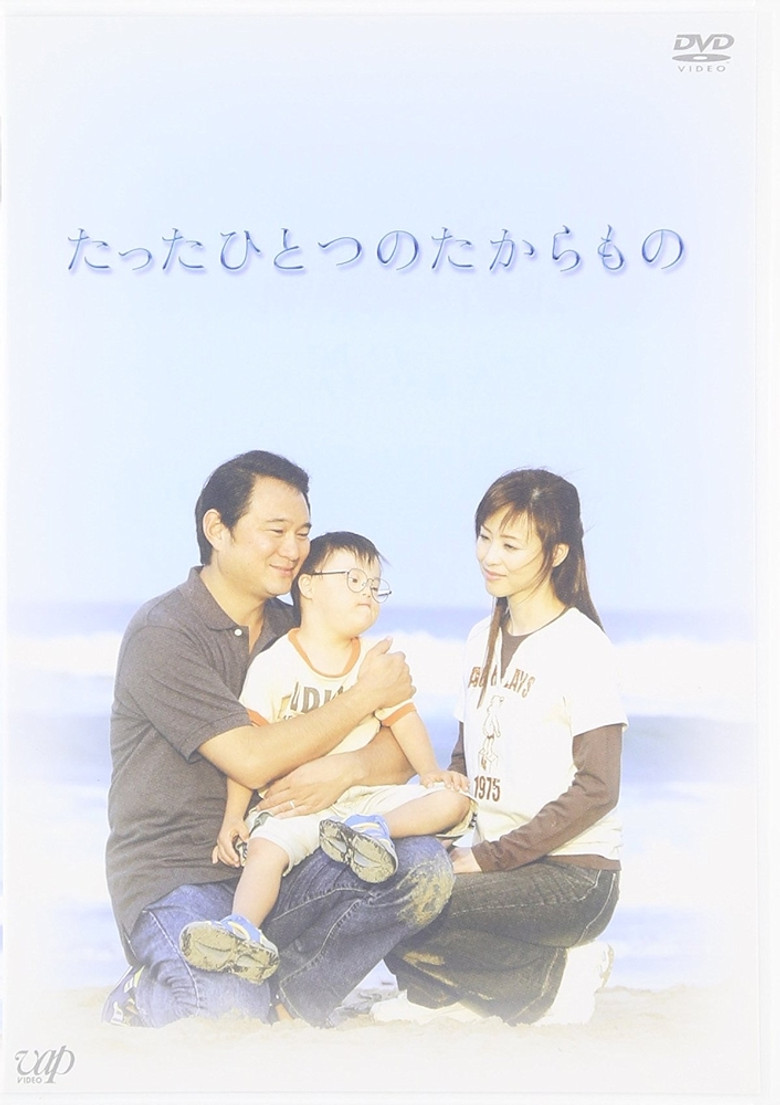
Few television traditions prize quiet, human-scale storytelling quite like Japan's, and Tatta Hitori no Takaramono—a title that can be rendered in English as "The One and Only Treasure"—belongs firmly to that lineage. Airing in 2004, the production assembled a group of experienced actors around pop legend Seiko Matsuda and delivered its entire story in a single broadcast, embodying the understated emotional style audiences associate with Japanese drama.
What Is Tatta Hitori no Takaramono About?
The drama takes its cue from its own name, exploring what people hold dear and the bonds that make those things precious. True to Japanese dramas of the period, it favors family ties and personal relationships over flashy premises or elaborate plots.
The storytelling favors a subdued, watchful mode. Tension emerges from small daily moments and the feelings its characters carry, not from surprise twists or big reveals. That makes it a natural fit for anyone drawn to intimate, grounded narratives.
Steering clear of spoilers, the narrative encourages viewers to consider what genuinely matters to the characters—and, in turn, to themselves.
Season Structure and Episode Format
Records list the program with one season made up of just one episode, first shown on October 26, 2004. This points to the tanpatsu model familiar in Japanese broadcasting: a self-contained special that completes its story within a single airing instead of unfolding over weeks.
Interestingly, the show carries a "Returning Series" status in catalogs, hinting that producers may have envisioned additional installments or continuation. Viewers hunting down the title should keep that in mind, since the lone broadcast might not capture the full scope of what was planned.
In practical terms, however, audiences can treat it as a single-sitting experience—an easy way to sample Japanese drama without a long-term commitment.
The Cast and Their Characters
The special benefits from a roster of seasoned Japanese talent. Front and center is Seiko Matsuda, an iconic figure in Japanese pop music who built a respected acting career, lending the project both star appeal and a sense of entertainment history.
Beside her appears Eiichiro Funakoshi, a busy performer with extensive credits across television and cinema, whose involvement steadies the show's dramatic core. Completing the principal lineup are Keizo Kanie and Mitsuko Kusabue, whose long careers bring considerable depth to the ensemble. Kusabue especially connects the production to an earlier era of Japanese screen performance, tying the cast to the nation's theatrical heritage.
Details about individual characters are left for viewers to uncover, since the drama's effect depends largely on watching those relationships come to light.
Production and Broadcast Background
Made in Japan and delivered in Japanese, the drama debuted on October 26, 2004. Its one-off format situates it within the country's tradition of TV specials, which frequently occupy seasonal slots and are conceived as complete, event-like broadcasts.
The mid-2000s marked a busy stretch for domestic Japanese drama, as networks commissioned both serialized shows and standalone specials aimed at wide family audiences. This title sits comfortably in that environment, counting on its performers and its resonant title concept rather than genre hooks to draw viewers.
English-language documentation of the full credits is sparse, which is common for Japanese specials from this era. That relative scarcity abroad turns the show into something of a hidden find for international audiences exploring the period.
Themes, Tone, and Style
True to its name, the drama revolves around treasuring what cannot be replaced. Works of this kind from Japan typically handle their material with sincerity, and viewers should anticipate an earnest, emotionally open tone that stops short of melodrama.
Anyone acquainted with Japanese family dramas from the 1990s and 2000s will recognize the approach: unhurried pacing, conversation-led scenes, and acting built on restraint. Pairing veterans Kusabue and Kanie with Matsuda and Funakoshi creates a multi-generational ensemble—a familiar device in stories dealing with family and legacy.
On the tonal spectrum, the program leans heartfelt rather than comedic or suspenseful, suiting viewers after something contemplative.
Who Will Enjoy This Drama?
The special will resonate most with devotees of Japanese television, especially those drawn to early-2000s drama specials. Followers of Seiko Matsuda's screen work will consider it a meaningful entry in her career, given her uncommon path from pop stardom to legitimate acting.
It also suits anyone who prefers stories wrapped up in a single evening, or newcomers to Japanese drama seeking a brief introduction to its emotional register. Those who appreciate casts spanning several generations will find the lineup especially attractive.
Audiences chasing rapid plotting, action, or genre excitement should recalibrate expectations; this is a story about people and emotion, not spectacle.
Where to Watch
Viewers in the United States can stream Tatta Hitori no Takaramono, placing this older Japanese drama among those accessible on current platforms. Regional availability may shift over time, so checking live listings before settling in is advisable.
With only one episode, the commitment is minimal—a single viewing session suffices. Anyone outside the US should confirm what's offered locally, since licensing for Japanese television often varies considerably from one country to the next.
Frequently asked questions
What does Tatta Hitori no Takaramono mean in English?
A rough English rendering of the Japanese title is "The One and Only Treasure." It points to the drama's core concern: the people and things a person values above all else, a motif woven throughout the story.
How many episodes does Tatta Hitori no Takaramono have?
Listings show one season containing a single episode, broadcast on October 26, 2004. It follows the standalone special format typical of Japanese television, though its cataloged status is Returning Series.
Who stars in Tatta Hitori no Takaramono?
Leading the cast are Seiko Matsuda, the celebrated pop singer who became an actress, together with Eiichiro Funakoshi, Keizo Kanie, and the veteran performer Mitsuko Kusabue.
When did Tatta Hitori no Takaramono premiere?
It first aired on October 26, 2004, in Japan, produced and broadcast in Japanese as part of the nation's tradition of television drama specials.
Can I watch Tatta Hitori no Takaramono in the US?
Yes—streaming access is available to American audiences. Other regions may differ, so viewers elsewhere should review their local streaming options.




Comments (0)
Log in or create a free account to comment, rate and write reviews.