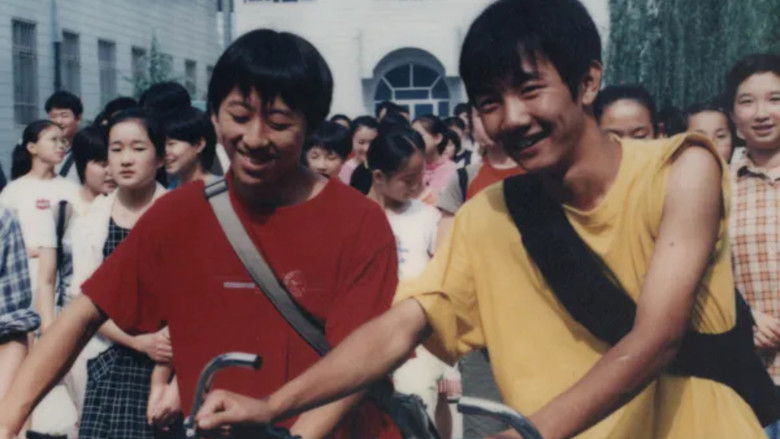
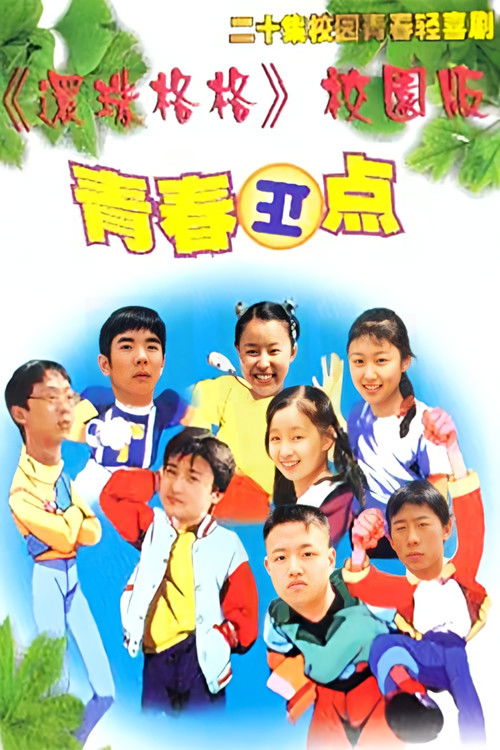
Around the year 2000, mainland Chinese television was producing some of its most character-focused work, and Qingchun Zhengdian (青春正点) stands as a representative title from that wave. The series debuted on June 1, 2000, and ran for twenty episodes, taking an intimate, grounded approach to stories of young people facing turning points in their lives. With Zhou Youchao behind the camera and performers such as Liu Weiwei, Liu Zifeng, and Guo Jinglin on screen, it remains a rewarding find for viewers exploring Chinese drama from that period.
Chinese Television at the Dawn of the New Century
Chinese TV drama was in a period of transition in 2000. Networks were broadening their schedules, and many series combined popular entertainment with commentary on everyday society. Qingchun Zhengdian belongs to that lineage: it is fundamentally a drama, and its strength comes from treating ordinary people's lives with sincerity and care.
Rather than the polished, concept-driven shows that would later dominate the industry, dramas of this era frequently depended on ensemble performances and measured pacing. This series exemplifies that style, allowing its characters room to develop over the course of twenty episodes instead of forcing contrived plot turns.
For audiences outside China, the program also offers a glimpse of daily Chinese life at the time, reflecting the attitudes, hopes, and social realities of that particular moment.
The Story, Kept Spoiler-Free
At heart, Qingchun Zhengdian centers on young people in the prime of life searching for their direction. The title can be roughly rendered as "youth at its peak," and the show honors that idea by following characters whose drive and energy run up against real-world constraints.
The narrative traces a connected group of individuals dealing with romance, career demands, and the pressures imposed by family and society. The drama's conflicts stem not from exaggerated villains but from authentic friction: clashing desires, miscommunication, and the struggle to balance personal wants against practical obligations.
Because the story is distributed across an ensemble rather than centered on one lead, no single figure dominates. The perspective shifts among characters, gradually assembling a fuller portrait of their shared world. How each storyline resolves is best left to the viewing experience itself.
Season Layout and Broadcast Format
The show comprises one season totaling twenty episodes, a standard length for mainland Chinese dramas of that era. That count gave the writers room to weave several storylines together without the bloat that affected some longer serials.
Episodes juggle multiple plot threads simultaneously, moving between characters as their paths cross. The result is steady momentum alongside space for quieter, character-driven beats. Western viewers should keep in mind that Chinese dramas from this period were usually conceived as self-contained stories, and this series accordingly builds toward a definite ending.
Broadcasting ran from June 1 to October 12, 2000, a span consistent with a weekly summer-and-autumn rollout. With its modest episode total, the show makes a convenient starting point for anyone sampling older Chinese television.
The Ensemble Cast
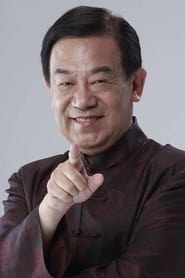
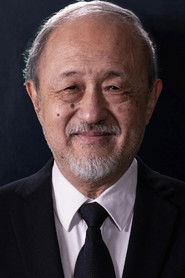
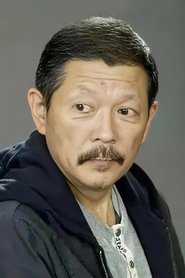
The program assembles actors familiar to followers of Chinese film and television. Liu Weiwei and Liu Zifeng lead the lineup, anchoring the story's emotional core; both were seasoned professionals by 2000, well equipped to portray the quiet setbacks and modest victories that shape the show's mood.
Rounding out the principal cast are Guo Jinglin, Gao Ming, Yang Xinming, and Luo Jingmin. Luo Jingmin has built a reputation on grounded, everyman roles, a quality that fits the series nicely, while Gao Ming and Yang Xinming bring weight to the older-generation characters, offering experience and authority that contrast with the younger cast's ambitions.
What makes the show work is the interplay among these performers. Instead of resting on one standout performance, the drama spreads its emotional load across the group, and the actors deliver restrained, naturalistic turns in response.
Zhou Youchao's Direction
Zhou Youchao directed the series, working in the tradition of Chinese drama that prioritizes character and social texture over spectacle. His staging keeps attention on faces, dialogue, and the small choices that steer a life.
The production matches mainland television norms of 2000: on-location filming, practical sets, and a visual language rooted in realism. There is no showy camerawork or stylized cutting; the craft lies in scene construction and narrative rhythm.
That understated approach works in the show's favor. It places confidence in the performers and the script, producing a drama that feels perceptive rather than formulaic. Admirers of period Chinese television will find much to appreciate here.
Themes and Overall Tone
The show's guiding theme is the friction between youthful dreams and adult obligations. Its characters stand at an age when every decision carries weight, and the drama draws both tension and warmth from that anxiety. Family pressures, romantic complications, and career uncertainty all feed the plot.
In tone, the series mixes earnestness with gentle humor. It takes its characters' troubles seriously while leaving space for lightness and joy, preventing the story from becoming heavy-handed. The style leans naturalistic, favoring dialogue-driven scenes set in ordinary surroundings.
As a work of its moment, the series also mirrors the social climate of China in 2000, a time of rapid change that was redefining expectations around work, love, and family. That specificity is part of its lasting appeal.
Is This Series for You?
Qingchun Zhengdian will appeal most to viewers who prefer character-driven stories and can embrace a measured, deliberate rhythm. Those who enjoy ensemble narratives will like how the show spreads its focus across the cast instead of spotlighting a single hero.
It also suits anyone curious about the history of Chinese television. The series documents a specific stage in the medium's growth, and viewing it now offers insight into how mainland drama has evolved since.
Audiences anticipating contemporary production polish or rapid pacing may need to recalibrate. But those drawn to solid acting, heartfelt writing, and a portrait of everyday life in China at the turn of the millennium should find the twenty episodes well worth their time.
Streaming in the United States
Audiences in the US can access Qingchun Zhengdian via streaming services that feature Chinese television content. Since availability shifts between platforms and over time, checking the current catalogs of major services focused on international drama is advisable.
The series is in Mandarin Chinese, so American viewers should confirm subtitle options when choosing a platform. Its single season of twenty episodes also makes it a lighter commitment than the far longer serials Chinese television sometimes produces.
As with many older international titles, catalog placement changes periodically, so if the show is missing from one service, it may well surface on another.
Frequently asked questions
What is Qingchun Zhengdian about?
It is a Chinese drama centered on young people at a decisive stage of life, tracking an ensemble cast through career decisions, relationships, and family pressures. The twenty-episode story is told from multiple perspectives rather than through one protagonist.
How many episodes does Qingchun Zhengdian have?
The show spans one season of twenty episodes. It first aired in China from June 1 to October 12, 2000, and was conceived as a complete, self-contained story.
Who directed Qingchun Zhengdian?
Zhou Youchao directed the series. His style emphasizes naturalistic, character-centered storytelling, prioritizing performances and dialogue over flashy visuals.
Who stars in Qingchun Zhengdian?
The main cast consists of Liu Weiwei, Liu Zifeng, Guo Jinglin, Gao Ming, Yang Xinming, and Luo Jingmin, all experienced Chinese actors whose collective work forms the heart of the series.
Can I watch Qingchun Zhengdian in the US?
Yes, the series is accessible to US audiences on streaming platforms that host Chinese television programming. Because availability for older international titles can shift, it is best to check current platform listings.





Comments (0)
Log in or create a free account to comment, rate and write reviews.