For decades, Japanese television has drawn on the country's distinct regions to craft moody crime stories, letting a particular landscape supply both backdrop and atmosphere. Tsugaru Cape Tappi: Killing Wind (津軽竜飛岬・風の殺意), broadcast in 1991, is a clear example of this approach. Anchored at the wind-battered northern tip of Aomori Prefecture, the drama combines a murder investigation with one of Japan's most striking coastal locations, making it an intriguing title for admirers of older Japanese television.
Wind and Terrain as the Heart of the Mystery
Rather than placing its crime in an urban setting, this drama situates its story at Cape Tappi, the rugged promontory marking the northernmost point of the Tsugaru Peninsula in Aomori. The cape is renowned across Japan for its brutal winds, its isolated lighthouse, and its outlook over the Tsugaru Strait toward Hokkaido. Weather here is not mere decoration; it permeates every scene.
The title makes the production's intentions clear. By linking the phrase 'killing wind' to the central crime, the drama implies a narrative where environment and isolation carry as much weight as evidence and suspects. This was a hallmark of Japanese regional mysteries of the period, in which the setting often behaved like a character in its own right.
Much of the appeal lies in the setting itself: a tale rooted in a genuine, identifiable place, colored by the customs, speech, and daily rhythms of the Tsugaru area.
The Story in Brief, Spoiler-Free
The drama is fundamentally a murder mystery. A death takes place, and the narrative traces the inquiry that follows along with the unraveling of the relationships surrounding it. As is typical of the genre, the enjoyment comes not from the crime itself but from the gradual surfacing of motives, hidden histories, and simmering conflicts among those tied to the victim.
Since the drama was conceived as a one-off television feature rather than a continuing series, its storytelling must be tight. Characters are established swiftly, their ties revealed through conversation and flashback, and the case reaches its conclusion within a single broadcast. This compressed shape lends the piece a classic, almost theatrical feel: a small circle of figures, a limited setting, and a truth waiting to be uncovered.
Those who prefer to watch unspoiled need not worry. The drama's strength lies in its atmosphere and sense of place rather than easily ruined twists; knowing only that a death in the Tsugaru region sets everything in motion is enough to appreciate it as intended.
Format: One Broadcast, One Complete Story
In contrast to serialized dramas spanning many weeks, Tsugaru Cape Tappi: Killing Wind comprises a single episode that aired in February 1991. This structure was a mainstay of Japanese commercial television at the time: standalone mystery specials, frequently shown in evening or prime-time slots, that were economical to produce and easy to promote through a distinctive regional setting or familiar cast.
The one-episode shape defines the experience. There is no room for gradual character arcs across a season; instead, the world, the suspects, and the stakes must all be established within roughly two hours. Scenes serve clear purposes, dialogue conveys substantial information, and the pacing builds steadily toward a resolution.
For today's audiences, this makes the drama an effortless single-sitting watch, more like a feature-length TV film than a series. It also means the production depends heavily on mood, since it cannot rely on cliffhangers to bring viewers back. The wind, the cape, and the regional flavor must carry that burden, and the drama was evidently crafted with exactly that goal.
Starring Itō, Tsuyuguchi, and Funakoshi
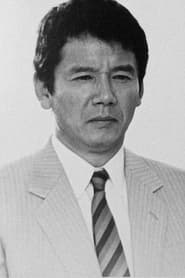
Three performers head the production: Kazue Itō, Shigeru Tsuyuguchi, and Eiichiro Funakoshi. Each arrived with their own screen background, and together they span a range of Japanese acting talent from the era.
Shigeru Tsuyuguchi was a seasoned and highly regarded character actor, the sort of presence that brings authority and depth to any scene. Casting someone of his stature suggests the drama placed its older figures at the emotional center of the mystery.
Kazue Itō offered a different energy. With credits across Japanese film and television, she stood for the younger wing of the cast, and dramas of this kind often assigned such performers the romantic or family connections that give a crime its human weight.
Eiichiro Funakoshi, who later built a long and busy career in Japanese television, completes the leading trio. His participation reflects how these regional mystery specials frequently gave actors in transition substantial roles in self-contained stories. The dynamic among the three performances forms the backbone of the episode.
Production Background and the Regional Mystery Tradition
The drama grew out of a production culture that valued location filming and regional authenticity. In the late 1980s and early 1990s, Japanese television regularly turned out mysteries named after the places where they unfolded, from hot-spring resorts to seaside headlands; the naming convention itself told audiences what to expect: a crime story with a travelogue flavor.
Such productions generally blended studio work with on-location footage, and a setting as visually striking as Cape Tappi provided obvious benefits. Its lighthouse, windswept headlands, and infamous gales offered imagery no studio set could match. The Tsugaru region also carried deep cultural resonance, from its folk music heritage to its reputation for severe winters, all of which supplied texture for the drama.
Airing in 1991, when this tradition remained vibrant, the drama fits the template precisely: a memorable location, a tight cast, and a mystery resolved within one broadcast.
Tone, Themes, and Style
The mood of this kind of drama leans toward quiet melancholy rather than sensationalism. Regional mysteries of the era preferred subdued unease over graphic content, allowing the environment to bear the emotional load. A cape famed for its wind suits that aim perfectly: the ceaseless sound of the weather, the sensation of standing at the edge of the map, the impression that secrets can be swept away by the gale or hidden beneath drifting snow.
Thematically, dramas like this tend to revolve around the past. A death in a small, close community seldom remains a present-day matter; it draws out old grievances, family histories, and forgotten bonds. The mystery becomes a means of exploring how people in remote places carry what they have done, and what has been done to them.
In style, expect an unhurried rhythm, careful framing of the landscape, and dialogue-heavy scenes that reward close attention. Viewers used to the quick tempo of modern procedurals may find it slow, but that deliberateness is intentional. The drama cares as much about atmosphere as about the mechanics of the case.
Who Will Enjoy It
Several overlapping audiences will find this drama rewarding. Devotees of classic Japanese television mysteries will recognize a textbook instance of the regional-special format, complete with an evocative title location and a compact cast of experienced actors. Anyone following the careers of Kazue Itō, Shigeru Tsuyuguchi, or Eiichiro Funakoshi will find it a notable entry in their filmographies.
It should also appeal to those drawn to Japan's Tōhoku region. The drama partly serves as a portrait of the Tsugaru area in the early 1990s, giving it documentary interest beyond the mystery itself. Armchair travelers and students of Japanese media history will find much to explore.
On the other hand, viewers seeking fast modern thrillers, multi-season storylines, or current production standards should adjust their expectations. This is a single 1991 broadcast, made according to the conventions of its day, and its pleasures are atmospheric and understated rather than fast-moving.
Where to Watch
Viewers in the United States will find Tsugaru Cape Tappi: Killing Wind listed as available for streaming, making it one of the older Japanese television dramas reachable for US audiences. Licensing arrangements change over time, so it is wise to confirm current listings before watching.
Since the drama runs as a single episode, it makes for an easy evening: no season commitment and nothing to catch up on. As with many vintage Japanese productions, English-language information about it is limited, with most knowledge drawn from databases and catalog entries rather than extensive documentation. That scarcity is part of what makes uncovering these older regional mysteries so satisfying for dedicated genre fans.
Frequently asked questions
What is Tsugaru Cape Tappi: Killing Wind about?
It is a 1991 Japanese television murder mystery set at Cape Tappi in Aomori's Tsugaru region. The story examines the aftermath of a death and the secrets and tensions it brings to light, with the cape's famous winds supplying the drama's atmosphere.
When did Tsugaru Cape Tappi: Killing Wind air?
The drama was broadcast on February 12, 1991. It was made as a single-episode television feature rather than an ongoing series, so the complete story unfolds in one broadcast.
How many episodes and seasons does it have?
It consists of one season containing a single episode. This self-contained format was typical of Japanese regional mystery specials of the era, allowing an entire story to be told in one sitting.
Who stars in the drama?
The main cast features Kazue Itō, Shigeru Tsuyuguchi, and Eiichiro Funakoshi. Tsuyuguchi was an established character actor, while Itō and Funakoshi brought a younger screen presence to the production.
Can I watch Tsugaru Cape Tappi: Killing Wind in the US?
Yes, the drama is listed as available for streaming in the United States. Because streaming rights for older international titles can shift, viewers should confirm current availability on their chosen platforms.


Comments (0)
Log in or create a free account to comment, rate and write reviews.