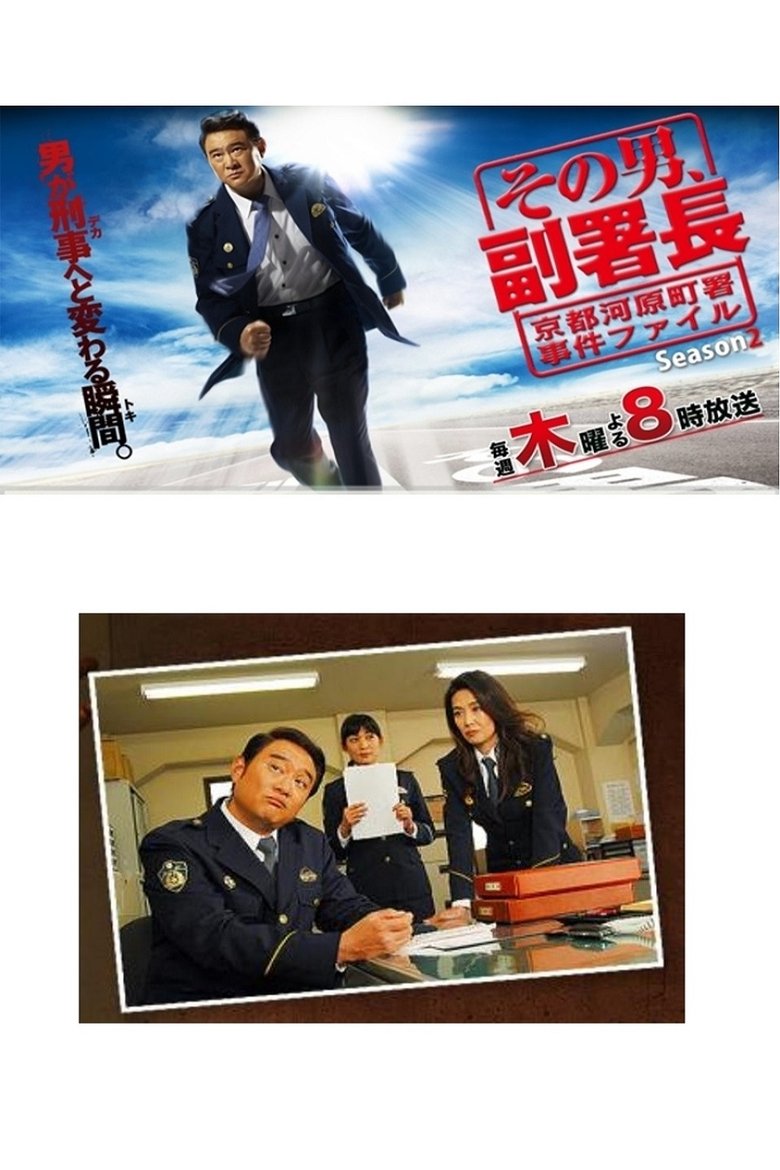
Crime fiction is a staple of Japanese broadcasting, yet rarely does a series shine its spotlight on someone in the middle ranks rather than a star investigator. Sono Otoko, Fukuchōchō — which can be loosely rendered in English as "That Man, Deputy Chief" — takes that unusual angle, putting the manager rather than the frontline sleuth at the story's heart. Broadcast on TV Asahi between 2007 and 2009, the program spanned three seasons and 28 episodes, and stands as a strong entry in the crime-meets-office-drama space.
What the Series Is About
At the heart of the show is a deputy police chief — a role caught in a difficult spot within station life. He carries enough seniority to answer for every failure, but seldom enjoys the power or recognition that the top job commands. That imbalance supplies much of the narrative tension.
Instead of tracking one headline case to its conclusion, the drama explores the everyday business of keeping a precinct running: supervising staff, absorbing demands from above, navigating internal rivalries, and still staying on top of incoming investigations. It works equally as an office drama and a police story.
Anyone hoping for shootouts and car chases should temper their expectations. The real draw is the interpersonal fabric of the precinct, the trade-offs leadership demands, and the modest wins that make public-service careers meaningful.
Season Structure and Episode Format
Across its three seasons, broadcast from 2007 through 2009, the show delivered 28 episodes. Its first broadcast arrived in April 2007, and the last aired in December 2009 — a multi-year stretch that gave the cast and their working relationships room to grow.
In keeping with the conventions of Japanese network drama from that period, the series mostly unfolds episode by episode, each one organized around the investigations and bureaucratic troubles that reach the deputy chief, with a continuous undercurrent of character growth running through it all. The gaps between seasons allowed fresh storylines while the core ensemble stayed in place.
With fewer than thirty episodes in total — a small number for a procedural — the show is an easy entry point for new viewers, and its three-season shape offers real narrative momentum instead of an unending string of standalone cases.
Main Cast and Characters
Eiichiro Funakoshi leads the series, a seasoned performer whose portrayal blends tired authority with understated integrity in the title role. Surrounding him, the supporting ensemble populates the precinct with officers, bosses, and coworkers whose clashing priorities generate the show's dramatic friction.
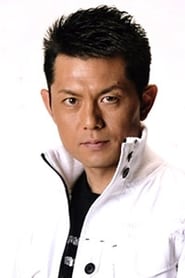
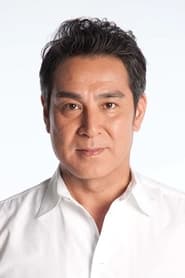
The female roles are carried by Misato Tanaka and Hisako Manda, while Koji Matoba and Takashi Ukaji complete the supporting lineup. Since the drama depends more on working relationships than on spectacle, the rapport among these actors supplies much of its charm.
Regular viewers of Japanese TV will likely spot familiar faces from other dramas of the era; the production favored veteran small-screen performers able to say plenty with a single look, a fit for the show's restrained approach.
Creators, Production and Broadcast
Production came from Toei Company working alongside TV Asahi — two names with long histories in Japanese broadcasting. Toei, among Japan's most established and prolific studios, brings decades of experience with crime and action fare, and that expertise is evident in the series' assured treatment of police subject matter.
TV Asahi, a leading Japanese commercial broadcaster and a customary venue for detective and police programming, carried the show. Its debut came on April 26, 2007, and its farewell broadcast followed on December 17, 2009, at which point it was recorded as ended rather than cut short.
Sustaining multiple seasons on a major network points to a dependable audience for the concept. Weekly scheduling is the norm for dramas of this kind in Japan, and the show's three-season endurance indicates it built a devoted following among genre fans.
Themes, Tone and Style
The central idea is accountability without applause. The deputy chief fields criticism from higher up, protects his team from the consequences, and seldom gets recognition when things succeed. The result is a portrait of middle management as much as of law enforcement, told with a grounded, grown-up perspective.
Restraint beats melodrama in this show. Disputes tend to be settled through dialogue, diplomacy, and steady determination rather than explosive showdowns. The look matches TV Asahi's refined late-2000s network output: crisp production, emphasis on conversation and acting, and plots grounded in ordinary institutional routines.
Audiences drawn to character-first storytelling will find much to like. The series pays off for those who notice subtle changes in workplace loyalties and the gradual building of trust among coworkers — a calm, rewarding watch rather than a thrill ride.
Who Will Enjoy This Series
This drama suits anyone who wants their police stories laced with authentic office dynamics. If series set inside institutions — hospitals, legal practices, news desks, or precincts — and the characters who sustain them appeal to you, the deputy chief's world will feel both recognizable and rewarding.
It also fits Japanese TV fans who lean toward grown-up ensemble shows rather than youth-driven romance or elaborate thrillers. The veteran cast, the episodic-yet-advancing format, and the attention to professional integrity make it broadly accessible to viewers exploring Japanese network drama beyond its biggest hits.
Those after rapid action or intricate serialized mysteries may find the pacing deliberate, but patient viewers will be treated to an affectionate, skillfully acted depiction of a man keeping a demanding job on track.
Where to Watch
Audiences in the United States can find Sono Otoko, Fukuchōchō on streaming services that host Japanese drama libraries. Since offerings differ across platforms and territories, it's wise to verify current availability before starting.
Having first aired on TV Asahi between 2007 and 2009, the series belongs to the wave of Japanese dramas that has progressively reached global viewers via licensed streaming. Consulting a dependable streaming guide or the catalogs of services focused on Asian television is the simplest route to confirming where it can be watched in your area.
Frequently asked questions
What is Sono Otoko, Fukuchōchō about?
It's a Japanese police drama built around a deputy police chief who oversees his station's officers, absorbs pressure from his superiors, and keeps investigations progressing — often without getting any of the recognition. It mixes office drama with crime storytelling.
How many seasons and episodes does the series have?
Three seasons comprising 28 episodes in total. The show debuted on April 26, 2007, and its concluding episode went out on December 17, 2009, at which point the series ended.
Who stars in Sono Otoko, Fukuchōchō?
Eiichiro Funakoshi takes the lead role, joined by Misato Tanaka, Hisako Manda, Koji Matoba, and Takashi Ukaji. The ensemble consists of seasoned Japanese television performers.
Which network aired the show, and who produced it?
It was broadcast on TV Asahi in Japan and produced by Toei Company in collaboration with TV Asahi — both established figures in Japanese film and television.
Where can I watch Sono Otoko, Fukuchōchō in the US?
US viewers can access the series via streaming platforms offering Japanese drama content. Catalogs shift over time, so review current streaming listings to locate it.



Comments (0)
Log in or create a free account to comment, rate and write reviews.