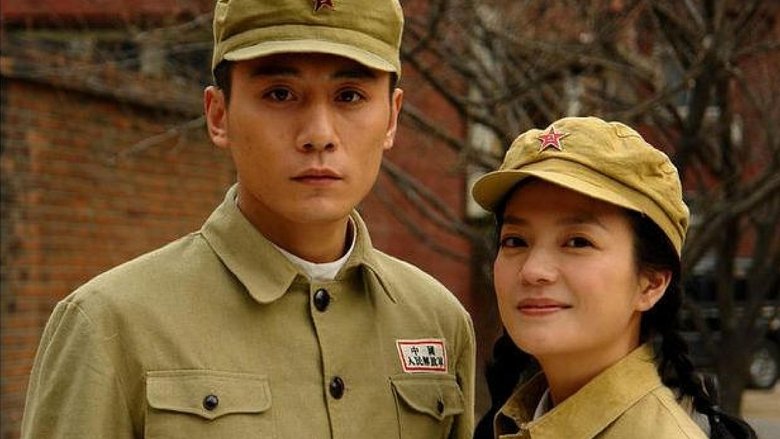
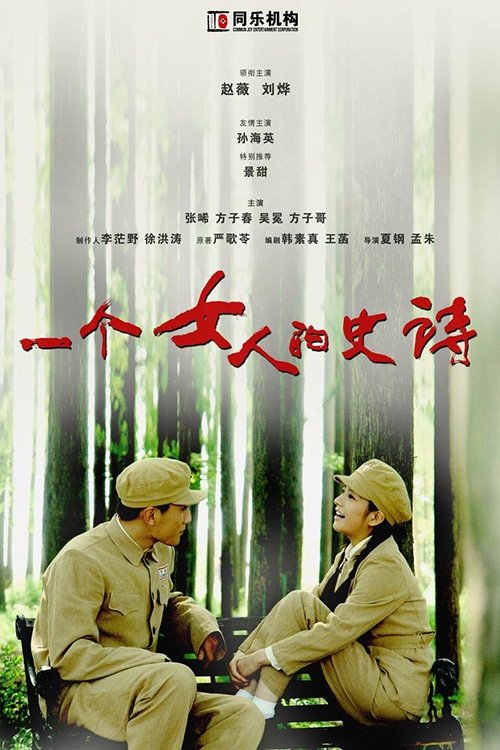
Few television shows live up to grandiose titles, but An Epic of a Woman — the Chinese drama that premiered in 2009 — comes close. Built around a celebrated lead turn from Zhao Wei and rounded out by a substantial supporting company, the series presents itself as a family drama of considerable scope, charting one woman across the changing chapters of her existence. Anyone interested in Chinese television of that period will find it a worthwhile specimen of the form.
What Is An Epic of a Woman About?
Produced in China and titled Yi Ge Nv Ren De Shi Shi in its original language, An Epic of a Woman is a drama built around the experiences of one female figure. The title is meant literally: the program treats an individual woman's personal history as material worthy of extended, careful telling, granting everyday events the kind of significance usually attached to sweeping chronicles.
The show sits squarely within the family drama category. It skips gimmicks and genre spectacle in favor of a story driven by bonds between people, the decisions they make, and the years that pass. Anyone drawn to character-first narratives will respond to that premise.
Steering clear of spoilers, the plot tracks its heroine through successive stages of her life, examining how romance, duty to family, and shifting fortunes mold her into the person she ultimately is. That emotional thread runs unbroken through the whole run, lending the series the feel of a novel adapted for the screen.
Season Structure and Episode Format
The drama aired as one season totaling 34 installments. Its first broadcast arrived on January 10, 2009, and the finale followed roughly a month afterward, on February 12, 2009. Such a tight scheduling window was standard practice for Chinese dramas of this type, with episodes airing almost daily so that an entire narrative could play out within a lone season.
Since the show was designed from the start as a finished tale, there are no unresolved cliffhangers to fret over. Its official status reads Ended, confirming that everything wraps up within those 34 episodes. That makes it a low-commitment choice for newcomers: a single season, a complete arc, and nothing further required.
The length also hints at the pacing. Thirty-plus episodes give the writers space to develop characters at a measured tempo, allowing relationships and tensions to unfold across many hours instead of being crammed into a short run.
The Cast: Zhao Wei, Liu Ye, and the Supporting Ensemble
Zhao Wei fronts the series — a performer counted among the most recognizable Chinese actresses of her era, and her presence supplies much of the show's emotional force. Signing her signaled the production's scale; she had long been a familiar name through work in both film and television, and her participation generated considerable buzz at the series' debut.
Across from her stands Liu Ye, an actor with a strong reputation built on Chinese film and television alike. Together, Zhao Wei and Liu Ye constitute the show's dramatic centerpiece, and their work is often credited with the connection the series forged with viewers during its original airing.
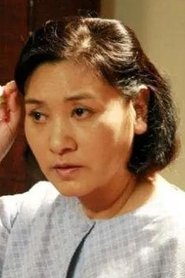
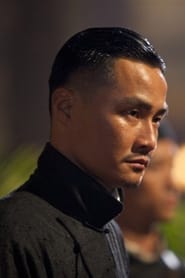
Further down the roster sit Sun Haiying, a seasoned actor whose presence lends the ensemble weight, and Jing Tian, then early in the career that would later make her a prominent name. The remaining credited players are Fang Zichun, Zhang Jing, Wu Mian, Xi Zhang, and Yang Qiyu. With this depth of talent, the series can fill its family-oriented setting with distinct personalities spanning multiple generations.
Production and Creative Background
The drama originated in China and was performed in Mandarin. It appeared at a moment when the country's television industry was pouring resources into extended family sagas that wove individual stories against wider social canvases, and this series slots neatly into that tradition.
Its shape — one season, 34 episodes — mirrors the prevailing model for mainland Chinese productions of the time. Unlike the brief seasons typical of Western TV, dramas of this kind were generally planned as finite, fully realized runs with the whole story set down before cameras rolled. The result is a completeness that becomes apparent from the opening episodes.
Detailed behind-the-scenes credits fall outside the scope of this overview; the series is chiefly recalled through its performers. The rapport among the principal cast — above all the central performance — shapes the show's identity more than any individual creative contribution off screen.
Broadcast History and Availability
Broadcasts began in China on January 10, 2009, and the last episode went out on February 12, 2009. The series carries the official designation Ended, and no further seasons followed — the full narrative lives inside the original 34-episode airing.
Viewers in the United States can access the series through lawful streaming channels, which opens the door for anyone keen to sample Chinese television drama from this stretch of years. Given its single-season, self-contained design, the show lends itself equally to marathon sessions or a slower, episode-at-a-time pace.
Streaming rights shift between platforms and territories, so audiences elsewhere should verify which services in their region host Chinese dramas. The title's age also means it may migrate between catalogs as licensing arrangements change.
Themes, Tone, and Style
Endurance sits at the core of An Epic of a Woman. The drama considers how family ties, love, and outside pressures gradually forge a person's identity across the years. The word epic in the title refers not to warfare or grandeur but to the magnitude of a common life carried forward with remarkable tenacity.
The mood is sincere and down to earth, as befits the family genre. Tensions grow out of relationships and real circumstances rather than manufactured twists, and the series is unafraid to linger through quiet, hard stretches alongside its characters as much as through happy ones. Expect an emotionally absorbing watch, not a casual one.
In stylistic terms, the show follows the Chinese drama convention of using an individual story to reflect wider social transformation. Attention remains fixed on the characters even as the world around them changes, giving the narrative forward motion and historical texture without diluting the central relationship drama.
Who Will Enjoy This Series?
This drama suits audiences who favor character-led family stories, especially those content to let a narrative develop slowly across many episodes. Admirers of late-2000s Chinese television will recognize it as a well-performed, representative piece of the period's domestic output.
Devotees of the two leads have extra reason to tune in. Zhao Wei's work anchors the show's standing, and Liu Ye's participation deepens both the romantic and dramatic strands. Viewers who came to either star through later movies may enjoy watching them in a long-form television role that permits gradual, nuanced character growth.
Conversely, anyone after brisk plotting, genre thrills, or a brief seasonal commitment could find 34 episodes a tall order. The series pays off patience; its rewards accumulate gradually rather than arriving at once.
Frequently asked questions
How many episodes does An Epic of a Woman have?
There are 34 episodes in a single season. The show aired in China between January 10, 2009, and February 12, 2009, and carries the official status Ended, so the narrative is finished with no further seasons.
Who stars in An Epic of a Woman?
Zhao Wei and Liu Ye head the cast, joined by Sun Haiying and Jing Tian in supporting roles. The remaining credited actors are Fang Zichun, Zhang Jing, Wu Mian, Xi Zhang, and Yang Qiyu.
What genre is An Epic of a Woman?
It is a Chinese drama within the family category. The story follows one woman through her life, concentrating on relationships, personal decisions, and family ties rather than action or genre material.
Is An Epic of a Woman available in the US?
Yes — the series can be watched in the United States via lawful streaming services. Catalogs change over time, so it is sensible to confirm current availability for Chinese dramas.
Do I need to watch multiple seasons?
No. The drama was created as one self-contained season of 34 episodes. The story begins and concludes within that run, with no continuation or follow-up produced.















Comments (0)
Log in or create a free account to comment, rate and write reviews.