

While many viewers picture Hong Kong productions when they think of 1990s genre television, this Taiwanese series delivers a distinct take on wuxia. Yan Ling Yi Bo Yun Tian, broadcast on CTV in 1997, weaves together sword combat, family conflict, and traditional chivalric ideals across a lean 22-episode season. Tien Hsin's portrayal of the heroine stands out as one of the era's notable female leads, and the show endures as a favorite among devotees of classic Chinese-language martial arts TV.
What the Series Is About
The Chinese title can be rendered roughly as 'the swallow feather's righteousness outweighs the sky,' a phrase that reflects the show's core premise: a heroine whose moral code outweighs her own survival. The series sits squarely within the wuxia tradition, populated by wandering swordfighters, sworn bonds of brotherhood, and obligations of gratitude that can shape an entire lifetime.
The story revolves around Zhao Yanling, a swordswoman whose given name invokes the swallow, a bird long linked in Chinese culture with elegance and speed. Her father, Zhao Tianhao, and the duties she inherits from the martial world play defining roles in her journey. Steering clear of spoilers, the plot tracks her through questions of loyalty and vengeance, and through the dilemma of doing what is right when everyone around her harbors their own motives.
Set in the jianghu, the vast underworld of martial artists existing beyond everyday law, the drama delivers changing alliances, moral tests, and abundant staged combat woven through its emotional storylines.
Season Structure and Episode Format
The show aired as one season totaling 22 episodes, with each installment running about 45 minutes. Compared to the sprawling wuxia serials of the day, which could extend to 40-plus episodes, this is a notably concise offering.
That shorter shape gives the narrative a distinctive pace. Instead of dwelling on side stories for weeks on end, the series advances its main conflicts at a consistent tempo, ideal for anyone seeking a finished arc without a heavy time investment. Twenty-two 45-minute episodes amount to a modest commitment, roughly comparable to a few feature films.
Like most broadcast dramas of the 1990s, the episodes were made for weekly network transmission, so each one typically blends standalone scenes with forward motion on the main plot, and the rhythm follows the TV conventions of the period rather than the binge-oriented design common to today's streaming originals.
The Cast and Their Characters
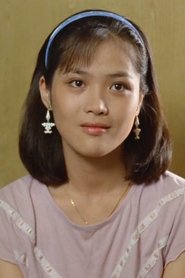
Tien Hsin heads the cast as Zhao Yanling, and her work is central to the show's lasting appeal. She portrays the heroine as both a skilled fighter and a young woman grappling with the burden of her family name and her own sense of conscience.
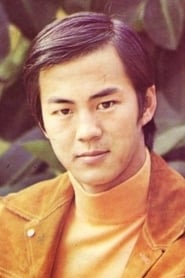
The supporting players bring richness around her. Lin Hsiu-Ling plays Zhao Mengjiao, a figure whose connection to the heroine links the personal and martial strands of the narrative. Ti Lung, a towering name in Chinese action cinema built on decades of celebrated roles, takes on Zhao Tianhao, the family patriarch whose shadow hangs over its destiny. His presence connects the series to the golden age of martial arts film.
Completing the principal lineup is Wu Ma as Jia Hutu, a veteran performer whose lengthy genre career made him a familiar and cherished face. Pairing an up-and-coming lead with seasoned screen stalwarts gives the show both fresh vitality and classic weight.
Production and Broadcast Background
Made in Taiwan, the series was broadcast on CTV, one of the island's leading free-to-air networks. It debuted at the beginning of 1997 and wrapped up on May 28 of the same year, placing it among the mid-1990s productions that surfaced around the height of the wuxia TV boom across Chinese-speaking regions.
Taiwanese shows of this era generally mixed studio soundstages with on-location shooting, and the genre favored expressive wire-work fight staging, emphatic musical scoring, and plainly drawn moral lines. Although the show is a drama above all, the martial arts designation attached to it indicates that swordplay and combat form a key part of its identity.
The series is formally marked as ended, meaning its 22 episodes deliver a full story with no sequel or revival.
Themes, Tone, and Style
Righteousness, as the title implies, is the drama's dominant theme. The expression 'yi bo yun tian' suggests a loyalty and sense of justice so immense it could touch the clouds, and the show continually probes what living up to that ideal demands of the person who embraces it. Honor, gratitude, family duty, and the friction between personal wishes and obligation recur throughout the season.
The tone carries the earnestness typical of 1990s wuxia: heroes face trials, villains plot, and emotional stakes are played to the hilt. Audiences accustomed to more ironic or down-to-earth modern dramas may find the style theatrical, yet that heightened quality is part of the genre's appeal. Stylized duels, sworn vows, and sweeping melodrama coexist easily with more subdued character scenes.
In visual terms, the series mirrors the production standards of its day, featuring period attire, traditional settings, and choreography that favors dramatic flair over realism. It offers a glimpse of how Taiwanese television adapted the wuxia formula while the genre ruled prime-time lineups.
Who Will Enjoy It
The series is an obvious choice for admirers of classic Chinese-language martial arts drama, particularly those intrigued by Taiwan's spin on the genre as opposed to the Hong Kong films that dominate the conversation. Anyone drawn to tales of honor codes, sword-wielding heroines, and cross-generational family strife in the jianghu will find it rewarding.
It also holds interest for viewers following the cast's careers. Watching Ti Lung and Wu Ma, both long-established figures of action and genre cinema, in a television setting is a pleasure for longtime admirers, and Tien Hsin's lead turn showcases one of Taiwan's most adaptable actresses at an early stage of her career.
Lastly, its single-season, 22-episode span makes it a convenient starting point for newcomers to older wuxia serials, who may be intimidated by the far longer runs of many titles from the same period.
Where to Watch in the US
Audiences in the United States can find the series listed as available via streaming, so the full 22-episode run can be viewed without tracking down physical copies. Streaming availability shifts by platform and over time, so checking current listings beforehand is advisable.
Given its origins as a 1997 Taiwanese production, viewers should anticipate Mandarin audio with subtitle choices depending on the service. Its brief length makes it simple to try an episode or two before committing to the classic wuxia style.
Frequently asked questions
How many episodes does Yan Ling Yi Bo Yun Tian have?
It consisted of one season totaling 22 episodes, each around 45 minutes. The show aired on Taiwan's CTV network and presented a self-contained story without any continuation.
When did Yan Ling Yi Bo Yun Tian air?
The series debuted in early 1997 and broadcast its last episode on May 28, 1997. It is officially classified as ended.
Who stars in the series?
Principal cast members are Tien Hsin as heroine Zhao Yanling, Lin Hsiu-Ling as Zhao Mengjiao, Ti Lung as Zhao Tianhao, and veteran character actor Wu Ma as Jia Hutu.
What genre is the show?
It is a Taiwanese martial arts drama in the wuxia mold, following a swordswoman through questions of honor, family loyalty, and conflict within the jianghu, the realm of itinerant martial artists.
Can I watch Yan Ling Yi Bo Yun Tian in the US?
Yes, the series is listed as streamable in the United States. Consult current platform listings for availability, audio options, and subtitles.





Comments (0)
Log in or create a free account to comment, rate and write reviews.