

Among the most distinctive chapters in recent Hong Kong television is the brief run of HKTV, and Second Life (第二人生) came along as that chapter was closing. Broadcast in the opening months of 2015, the drama delivered a complete tale in just eleven chapters, each roughly forty minutes long — a tight, easily digestible package for anyone seeking a finished story.
A Second Chance in Front of the Camera
Some shows gain meaning from the moment they appear on screen, and Second Life is one of them. It debuted on 23 February 2015, during a period of real upheaval in Hong Kong broadcasting. Its home station, HKTV, had spent years denied a terrestrial license and had reinvented itself as an online outlet, turning its drama slate into a cult favorite among local viewers.
That backdrop shapes how the series reads today. Operating beyond the established broadcaster system, HKTV's productions felt leaner, fresher, and bolder than conventional fare, and Second Life fits squarely in that mold. Even its name suggests the territory it explores — renewal, past mistakes, and the chance to begin again.
For anyone watching it now, the show works as a snapshot of a specific era in Hong Kong production: a drama from a station whose grand plans were already fading by the time the episodes reached the air.
The Premise, Without Spoilers
Fundamentally, Second Life is a drama about people, and fittingly for its name, it examines how someone constructs a fresh existence once the previous one falls apart. The story moves through the overlapping lives of its ensemble, with personal decisions and relationships — rather than flashy premises — propelling things forward.
The genre listing is simply 'Drama', and the show honors that label, leaning on acting and script rather than plot gimmicks. Newcomers can anticipate an ensemble piece very much in the Hong Kong mold: realistic, dialogue-driven, and centered on characters juggling work, family, and identity.
The series also plays its cards close to the vest. Arriving with as little prior knowledge as possible is arguably the ideal approach, since much of the enjoyment comes from watching the characters slowly come into focus across the run.
Season Structure and Episode Format
The show aired as one season of eleven installments, running from 23 February to 9 March 2015. That schedule is strikingly condensed — the entire season unfolded across about two weeks — a reflection of the rapid-release strategy HKTV preferred, pushing out episodes back-to-back instead of spacing them over months.
At roughly forty minutes per episode, the format lands between the usual hour-long drama and a half-hour comedy. The length fits the show's rhythm: enough room to develop each chapter, yet short enough for the whole series to be finished in just a few sittings.
The one-season, eleven-episode design also guarantees a clear arc with a beginning, middle, and end. Where many Hong Kong dramas stretch across dozens of installments, Second Life was conceived as a self-contained story — an appealing entry point for anyone wanting a full narrative without a heavy time investment.
The Cast and Their Characters
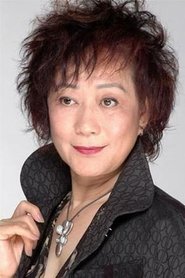
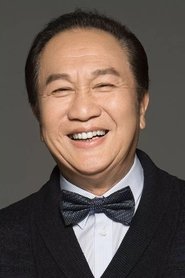
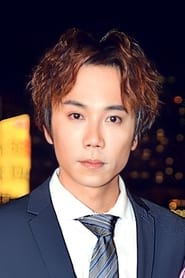
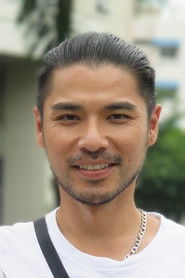
A familiar group of Hong Kong screen performers anchors the series. Leading the lineup is Wilfred Lau Ho-lung, a singer-actor well known to local viewers through both music and film, joined by Terence Yin Chi-wai, whose career spans Hong Kong and international credits.
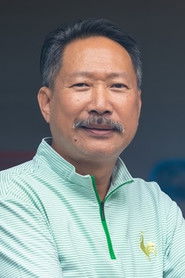
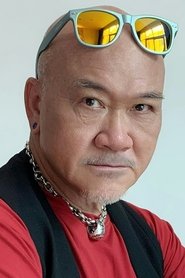
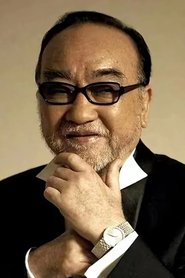
Two named roles are publicly documented: Anita Chan Wing-Yin portrays Charlie (关彩妮), while Maria Chen appears as 陈秀娴. The supporting ranks feature veteran performers in Samuel Kwok Fung, Wong Ching, and Bonnie Wong Man-Wai, each contributing years of Hong Kong film and television experience.
Rounding out the ensemble are Chiu Sin-Hang, Liu Haojunlong, and Bonnie Chiu Hok-Yee, giving the production a blend of established figures and fresher faces. Mixing seasoned character actors with younger talent was typical of HKTV's casting philosophy, which tended to value on-screen chemistry over headline star power.
Production and the HKTV Story
HKTV served as both the producing studio and the network behind Second Life. That vertical integration — a single company overseeing development, production, and distribution — lent the station's dramas a consistent house style and an efficient workflow.
The HKTV saga stands as one of the stranger tales in Hong Kong broadcasting history. After its bid for a free-to-air license was famously rejected, the company rebuilt itself around internet streaming, releasing its backlog of finished dramas to audiences hungry for an alternative to the dominant terrestrial channels. Second Life emerged during this later stretch, as the company's prospects grew increasingly shaky.
That instability is part of the show's historical appeal. HKTV left behind a finite set of original dramas, and each title is a fragment of a catalog that would never grow. For those interested in the city's television history, the series documents a broadcaster that briefly seemed poised to disrupt the local industry before its plans were cut short.
Tone, Themes, and Style
As an unadorned drama, Second Life draws on the genre's core concerns: starting over, the burden of past choices, and the tension between who someone has been and who they could still become. The very notion of a 'second life' frames the whole series around the idea that identity isn't permanent — that people can change direction even when the odds are stacked against them.
In style, the show belongs to the contemporary Hong Kong drama tradition: present-day urban backdrops, ensemble storytelling, and a focus on interpersonal friction rather than genre flourishes. The forty-minute runtime keeps each installment economical, moving the story forward without filler.
It's also worth noting the series is in Cantonese, which is essential to its authenticity. The local texture — in language, casting, and setting — is central to what sets HKTV's output apart from the region's more internationally minded productions.
Where to Watch Second Life
Audiences in the United States can stream Second Life on a streaming platform, giving the 2015 series an international reach despite its Hong Kong roots. Since availability differs by territory, viewers in other regions should consult their local streaming libraries.
With just eleven episodes of roughly forty minutes apiece, the show makes for an easy weekend binge. And because it both premiered and concluded in 2015, there's no live broadcast to follow: the story is finished, the season stands on its own, and newcomers can dive in without any catch-up worry.
Who Will Enjoy It
The series is a strong match for viewers drawn to character-driven Hong Kong drama and anyone curious about the HKTV catalog — a short-lived but warmly remembered era in the city's television history. Those who favor ensemble narratives, modern Cantonese-language series, and tight single-season stories will find much to like.
It's also an obvious choice for anyone who wants a finished story rather than an open-ended commitment. Eleven episodes and a definitive conclusion mean the show asks far less of your schedule than today's sprawling multi-season streaming epics, while still delivering a complete dramatic arc.
On the other hand, audiences seeking high-concept genre fare — thrillers, fantasy, or action — may find the grounded, drama-first approach a different rhythm. Managing expectations matters here: this is a show about people, not spectacle.
Frequently asked questions
How many episodes of Second Life are there?
The show comprises a single season of eleven episodes, each running about 40 minutes. The full season aired from 23 February to 9 March 2015, making it a compact series that's easy to binge.
Was Second Life canceled or does it end conclusively?
The series is listed as Ended, meaning its lone season was designed as a complete story. No further seasons exist, and the eleven episodes represent the show's entire run on HKTV.
What network aired Second Life?
It aired on HKTV, the Hong Kong station that also produced the series. HKTV became known for its internet-based distribution after being denied a free-to-air broadcast license.
Who stars in Second Life?
The cast features Wilfred Lau Ho-lung, Terence Yin Chi-wai, Anita Chan Wing-Yin as Charlie, and Maria Chen, together with Samuel Kwok Fung, Wong Ching, Bonnie Wong Man-Wai, Chiu Sin-Hang, Liu Haojunlong, and Bonnie Chiu Hok-Yee.
Where can I watch Second Life in the US?
Viewers in the United States can stream Second Life on a streaming platform. Access may vary in other regions, so international audiences should check their local catalogs for the 2015 series.













Comments (0)
Log in or create a free account to comment, rate and write reviews.