

It is uncommon for a TV program to captivate children who cannot yet follow a story, yet the Belgian series Bumba has managed it for years. Centered on a kind clown and the circus troupe around him, the program leans on color, repetition, and soft slapstick instead of spoken words, which makes it an easy match for toddlers and a lasting presence in Flemish preschool schedules.
What Is Bumba About?
At its heart, Bumba follows a playful, good-humored clown who performs in a circus. The environment is intentionally eye-catching: striking stage effects, saturated colors, and an audio design meant to charm rather than bewittle little ones. Everything is calibrated to the sensory experience of children barely old enough to watch screens.
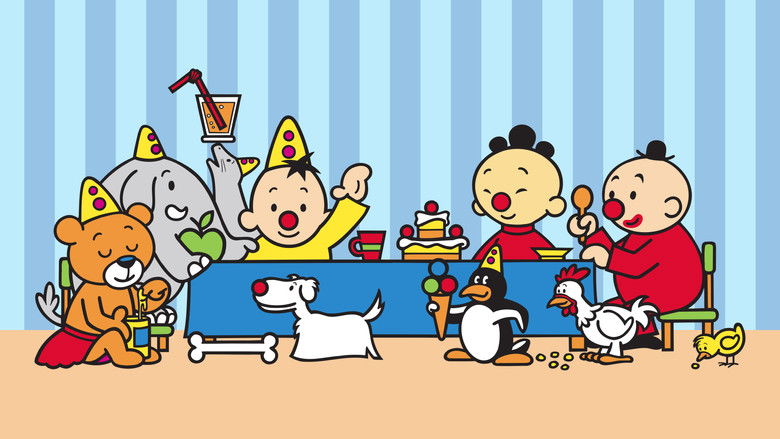
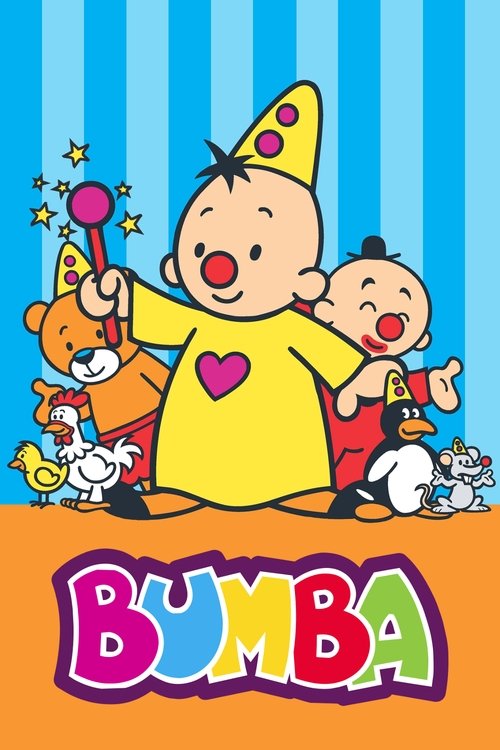
The clown never performs solo. His closest companion Bumbalu is always nearby, and around them gather a host of animal friends—among them a kiwi bird, a bear answering to Nanadu, and an elephant named Tumbi. The circus becomes their shared playground, where tiny adventures unfold slowly enough for a toddler to track.
The premise stays deliberately bare. No tangled plots, no genuine conflict—each trip to the big top simply offers recognizable faces, recognizable routines, and little surprises that make repeat viewings worthwhile.
A Series Built for the Smallest Audience
This is kids' programming in the strictest sense, and more specifically programming made for the toddler set. Content for such young viewers cannot rely on narration, since the audience is still acquiring language. Bumba's answer is visual humor, songs, and physical comedy that translate across any language barrier.
Repetition sits at the core of the approach. Little ones take pleasure in encountering the same figures and actions over and over, and the show embraces that instinct instead of resisting it. A voice-over, delivered by Marc Peeters, gently orients the viewer without asking for much concentration.
The finished product functions almost like a soft toy broadcast on television: reassuring, steady in its rhythms, and dotted with tiny discoveries.
Seasons, Episodes, and How the Show Is Structured
Eight seasons and 94 episodes make up the Bumba catalog. The program first aired on August 30, 2004, and remains classified as a returning series—a sign of how enduring its place in Belgian children's television has been.
Each episode is brief and complete in itself, fitting both the audience and the broadcast rhythm. Since a toddler's attention lasts only minutes, the show offers compact little adventures that open and close within one sitting, always starring Bumba and his circus companions.
That modular design has allowed new episodes to keep coming without any need to complicate the concept. The big-top setting, the recurring cast, and the mild comic routines supply all the structure required.
The Cast and Characters
Jan Maillard embodies Bumba, and he is equally the mind behind the character. His performance supplies the clown's sunny energy and playful streak, communicating almost wholly through gesture and facial expression.
Jan Van Looveren takes on Bumbalu, the title character's closest friend and daily partner under the big top. The duo forms the show's central relationship, and their exchanges anchor most episodes.
Marc Peeters supplies the voice-over, an essential job in a program whose on-screen figures rarely speak the story aloud. Surrounding the human performers, the animal characters—the kiwi bird, the bear Nanadu, and the elephant Tumbi—complete the circus family with vivid figures toddlers can readily identify and name.
Who Made Bumba
Jan Maillard both created and wrote the series while also starring in it. That pairing of author and actor is uncommon, and it goes a long way toward explaining the show's consistency: the person who dreamed up the clown is the same one animating him on screen.
Serge Leurs directs, shaping the program's distinctive visual character. Studio 100, the Belgian firm renowned for its deep library of children's entertainment, produces the series, and Bumba sits comfortably within its record of homegrown, well-crafted fare for young viewers.
Its Flemish roots shape its identity. Produced in Dutch for Belgian audiences, its simple, dialogue-sparse format has nonetheless helped it travel far past its home region.
Where Bumba Aired and Where It Stands Now
The series ran on Ketnet and Ketnet Junior, the children's outlets of the Flemish public broadcaster. Ketnet is Flanders' primary home for youth programming, while Ketnet Junior targets the preschool end of that audience—an ideal pairing for a clown show built around toddlers.
Since its debut on August 30, 2004, the program has continued as a returning series, now totaling eight seasons and 94 episodes. Such staying power stands out in children's TV, where concepts often fade fast; Bumba's simplicity has held up remarkably.
American audiences can find the series on Tubi TV, free with ads, opening the door for US families to meet a show that has anchored Belgian preschool viewing for years.
Themes, Tone, and Visual Style
Warmth defines the program's tone. Its clown is mischievous yet never unkind, and he inhabits a world where nothing truly goes awry. Friendship drives the show, shown through Bumba's connection with Bumbalu and their joint care for the circus animals.
On screen, the series bursts with saturated color. The circus backdrop invites endless variation—stage effects, costumes, and props shift constantly—while the overall look stays coherent and familiar. Sound matters just as much, with music and effects carrying much of the narrative weight.
The pacing is unhurried by design. Nothing hurries and nothing shocks. For parents, that makes Bumba an uncommon viewing option: one that engages a toddler without overwhelming them.
Who Will Enjoy Bumba
The natural audience is toddlers—roughly the crowd Ketnet Junior serves. Kids just starting to speak will take readily to the blend of repetition, music, and visual gags, and the animal characters give them plenty to point at and label.
Caregivers may value the show equally for its omissions. There is no frantic tempo, no merchandising-driven storyline, and nothing requiring explanation or comfort afterward. It is television you can simply switch on and trust.
Older kids will probably have moved past it, and adults watching solo won't find layered jokes aimed their way. Yet as a shared moment between a caregiver and a very small child, Bumba delivers exactly what it promised: a friendly clown in a vivid circus, cheerfully doing his thing.
Frequently asked questions
What age group is Bumba made for?
The series targets toddlers and very young children. Its minimal dialogue, repetition, music, and visual comedy suit viewers who are only starting to watch television and are still building language skills.
Who created Bumba and who plays the clown?
Jan Maillard created and wrote the show and also performs as Bumba. Jan Van Looveren portrays Bumba's friend Bumbalu, Marc Peeters handles the voice-over, and Serge Leurs directs.
How many seasons and episodes does Bumba have?
Eight seasons and 94 episodes make up the series. It debuted on August 30, 2004, and is currently listed as a returning series.
Where did Bumba originally air?
The program aired on Ketnet and Ketnet Junior, the Flemish children's channels in Belgium, and was produced in Dutch by Studio 100.
Where can I watch Bumba in the US?
In the United States, Bumba streams on Tubi TV, available free with advertisements.



Comments (0)
Log in or create a free account to comment, rate and write reviews.