
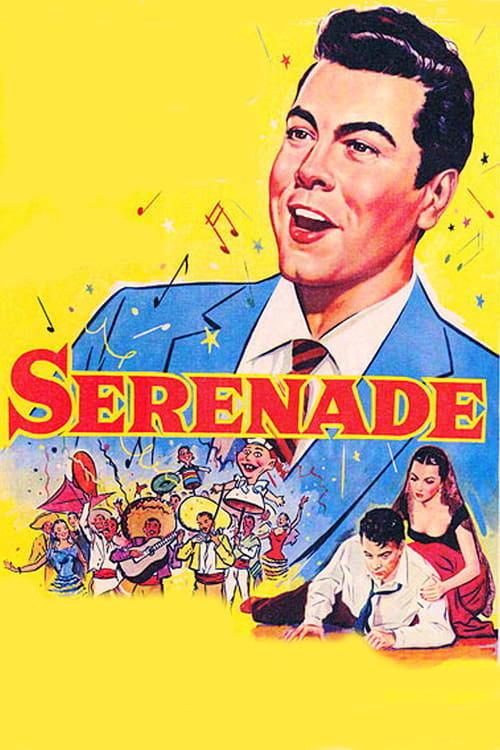


Hollywood rarely made musicals as openly emotional as Serenade, the 1956 Warner Bros. production that showcases the singing of Mario Lanza. At the helm is Anthony Mann, a director celebrated mainly for hard-edged Westerns, who here fuses operatic grandeur with a complicated romance adapted from James M. Cain's fiction. What emerges is a curious blend: a backstage show-business tale, a passionate melodrama, and a vehicle for one of the 1950s' most famous voices, all rolled into one picture.
The Story in Brief (Spoiler-Free)
Damon Vincenti is a young man laboring in the vineyards who happens to possess a tenor voice capable of silencing a room. His first meaningful stage is Lardelli's, an Italian eatery in San Francisco, and that is precisely where his destiny shifts.
Kendall Hale, a moneyed socialite known for spotting and cultivating promising talent, takes charge of Damon's career. She has the resources and the connections to manufacture a star, and she succeeds—though her help carries conditions, and her relationships with the artists she promotes tend to become personal, then turn icy.
After his world collapses, Damon escapes to Mexico, where he meets Juana Montes, a farm girl whose unpretentious kindness offers a striking contrast to the glamorous life he abandoned. From there, the story becomes one of rebuilding both a career and a voice—though the past refuses to release its grip on him.
Mario Lanza and His Supporting Players
Mario Lanza is the heart of the film; his real-world reputation as an operatic tenor made him the natural fit for Damon Vincenti. His voice drives the picture, and the narrative is structured to give it every possible showcase. Contemporary audiences turned out for the arias as much as the plot, and the movie satisfies on both fronts.
Joan Fontaine lends Kendall Hale her characteristic mix of refinement and sharpness, playing a woman capable of warmth and cruelty in a single scene. Sara Montiel, as Juana, supplies the picture's emotional ballast, and the rapport between her and Lanza brings genuine warmth to the film's Mexican sequences.
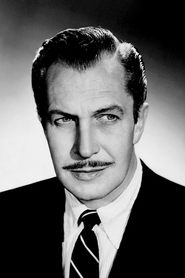
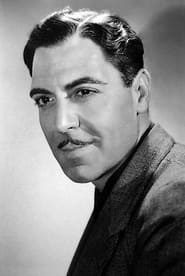
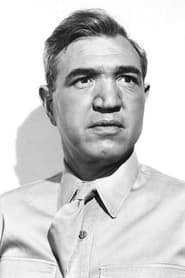
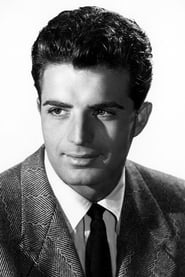
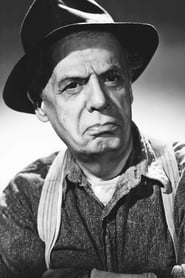
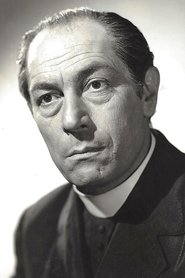
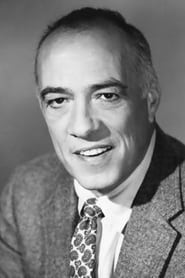
Classic-movie devotees will relish the supporting roster. Vincent Price brings his trademark polished menace to Charles Winthrop, Joseph Calleia takes the part of Marcatello, and Harry Bellaver, Vince Edwards, Frank Puglia, and Edward Platt fill out a lineup of seasoned character players who give even the briefest scenes real substance.
Anthony Mann in the Director's Chair
Hiring Anthony Mann for a musical drama was an unconventional choice. Having made his name on gritty Westerns and noir, he applies that same forceful visual style to Serenade. Nothing here feels like mere window dressing; even the musical numbers carry a dramatic intensity that a typical musical craftsman likely would not have delivered.
Ivan Goff, Ben Roberts, and John Twist adapted James M. Cain's novel for the screen, preserving much of its darker texture. Cain's fiction is notorious for tales of obsession, treachery, and ruin, and Serenade retains enough of that spirit to give the love story genuine weight. Producer Henry Blanke and composer Ray Heindorf, both longtime Warner Bros. figures, keep the film rooted in the studio's refined aesthetic, while J. Peverell Marley's photography lends it a rich, polished look.
Tone, Style, and Underlying Themes
Beneath the surface, Serenade examines the cost of ambition and the line between being cherished and being exploited. Damon's climb through the opera world is thrilling to watch, yet the film keeps probing what it means to be someone's project instead of someone's equal.
The mood shifts considerably as the story unfolds. The San Francisco opening hums with show-business energy; the central stretch descends into a somber portrait of heartbreak and creative collapse; and the Mexican chapters breathe more freely, swapping studio polish for rustic settings and a romance that feels more grounded. That arc from shine to dust and back again gives the film a structure few straight musicals attempt.
Visually, it is handsome in the classic Warner Bros. mode—lavish performance set pieces, expressive close-ups, and a readiness to let Lanza's singing sustain whole scenes on its own.
Who Should Watch It
Serenade is a straightforward pick for devotees of Golden Age Hollywood musicals and for anyone interested in Mario Lanza, whose filmography was limited and remains beloved among opera lovers. The musical numbers alone make it worthwhile.
It also suits viewers who enjoy period melodrama with genuine bite. Fans of Joan Fontaine will appreciate her role as a striking twist on her icy-beauty image, and followers of Anthony Mann can watch his trademark intensity applied to unfamiliar territory. Anyone anticipating a light, cheerful songfest may be taken aback by the amount of sorrow here—though that blend of music and heartbreak is exactly what makes the film distinctive.
How to Stream It
Audiences in the United States have several digital avenues for watching Serenade. Subscribers can find it on HBO Max as well as through the HBO Max Amazon Channel.
Rental options include Apple TV Store, Google Play Movies, Fandango At Home, Amazon Video, YouTube, and Spectrum On Demand. Those wishing to buy a digital copy can do so via Apple TV Store, Google Play Movies, Fandango At Home, Amazon Video, and YouTube. Since availability shifts from time to time, checking your preferred service is a good idea.
Related Films to Discover
Viewers who respond to Serenade have plenty of adjacent titles to pursue. The Great Caruso, a comparable operatic showcase from the same period, pairs classical singing with classic Hollywood narrative in a similar way.
Because the film springs from a James M. Cain novel, his other adaptations make logical next steps: The Postman Always Rings Twice and Mildred Pierce both distill the author's trademark blend of passion and treachery that also simmers under Serenade's romance. Those curious about Anthony Mann can turn to his 1950s Westerns, where the same directorial muscle operates in rougher terrain. And anyone drawn to backstage melodrama will find the era's classic show-business pictures full of comparable rise-and-fall storytelling.
Frequently asked questions
What is the plot of Serenade?
The film centers on Damon Vincenti, a vineyard laborer whose magnificent tenor voice is discovered by a wealthy patroness who molds him into an opera star. Once she discards him, he retreats to Mexico, where a new romance allows him to rebuild his life.
Who appears in Serenade (1956)?
Mario Lanza headlines as tenor Damon Vincenti, alongside Joan Fontaine as Kendall Hale, Sara Montiel as Juana Montes, and Vincent Price as Charles Winthrop, with Joseph Calleia and Harry Bellaver among the supporting players.
Does Serenade come from a novel?
Yes. Ivan Goff, Ben Roberts, and John Twist adapted the screenplay from a book by James M. Cain, the author famed for hard-boiled tales of obsession and betrayal.
Who was the director of Serenade?
Anthony Mann directed it. Best remembered for his 1950s Westerns and noir work, he made Serenade as a rare foray into operatic musical drama.
Where can I watch Serenade in the US?
It is available to stream on HBO Max and the HBO Max Amazon Channel, and can be rented or purchased digitally through Apple TV Store, Google Play Movies, Fandango At Home, Amazon Video, and YouTube, with Spectrum On Demand also offering rentals.









Comments (0)
Log in or create a free account to comment, rate and write reviews.