

Every so often, a motion picture ends up serving as a time capsule for the period that created it. Pretty Boy, a Tagalog drama that reached Philippine theaters on July 18, 1957, is exactly that kind of film. Arriving as the local movie industry was reaching new creative heights, it brought together two of the nation's rising young performers and continues to offer contemporary audiences a direct link to the golden years of Filipino moviemaking.
A Snapshot of Philippine Film in the 1950s
Historians of Philippine cinema frequently point to the 1950s as the industry's peak, a stretch when domestic studios produced polished crowd-pleasing dramas that drew audiences nationwide. Pretty Boy landed in theaters in mid-1957, squarely within this productive stretch, and it displayed all the signatures of the moment: heartfelt storytelling, attractive young stars, and the resources of a well-established production house.
For anyone wanting to understand what Filipino movies looked like before the later waves of innovation transformed the art form, this picture is a key text. It preserves both the melodramatic conventions of its day and the spirit of a postwar Manila still shaping its cultural identity.
The Story in Broad Strokes
As a drama, Pretty Boy takes its name from its protagonist: a handsome young man whose appeal shapes the way others respond to him. Like most dramas from this period, the narrative revolves around romantic entanglements, family obligations, and the tension between outward charm and inner character.
Rather than spoil the plot, it is enough to describe the framework: a magnetic lead caught between affection and societal demands, with tensions mounting as those around him show their real selves. Audiences of the time could expect laughter, heartache, and tears, sometimes all within a single sequence.
The Performers on Screen
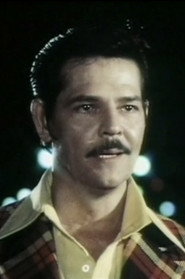
Romeo Vasquez leads the picture. He ranked among the most sought-after male stars in the Philippines at the time, and his magnetism made the matinee-idol label genuinely deserved. The role fit his talents well.
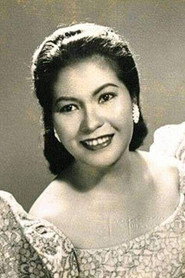
Sharing the screen is Amalia Fuentes, an actress who would later build one of the most respected careers in the country's film history. Watching the two of them together offers a rare early look at performers who would both become icons.
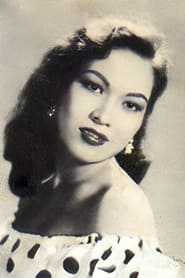
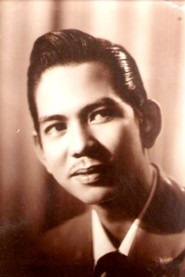
Around them sits a deep bench of supporting talent. Van De Leon and Rosa Mia contribute experienced dramatic presence, while Rod Navarro and Zeny Zabala strengthen the ensemble further. Character actors Jose De Villa, Aring Bautista, Bert Olivar, and Jose Villafranca complete the lineup, supplying the layered supporting structure that studio dramas of the era relied upon.
The People Behind the Production
Armando Garces took the director's chair. Working within the commercially vibrant period of Filipino film, Garces had a reputation for delivering popular entertainment with skill and a keen instinct for audience taste, and this picture reflects that sensibility.
Chito B. Tapawan wrote the screenplay, adapting material from a story developed by Rico Bello Omagap and Celso Rodas. The arrangement, in which a writing team supplied the narrative and a dedicated screenwriter shaped the script, mirrored standard studio practice of the day and kept the schedule moving.
Behind it all stood Vera-Perez Productions, a major force in the 1950s Philippine industry known for its stable of stars and its dependable, well-made features. That level of studio backing translated into solid resources across sets, music, and craft, and the quality is evident on screen.
Tone, Style, and Underlying Ideas
Beneath the surface, Pretty Boy grapples with timeless concerns: what loyalty to loved ones demands, and what occurs when charm turns into a disguise. Like most films of its generation, it expresses emotion directly and sincerely, choosing heartfelt feeling over cynicism.
Visually, the picture uses the tools typical of 1950s studio drama: intimate close-ups, carefully arranged lighting, and music that punctuates each emotional turn. Modern viewers may notice the slower tempo, yet that measured rhythm lets the acting land and gives the melodrama space to develop.
The Tagalog-language dialogue roots the film deeply in its Filipino context, giving it value both as entertainment and as a cultural record.
Is This Film for You?
Devotees of classic cinema, especially those eager to look past Hollywood and European output, will find much to admire. Scholars and fans tracing the history of Philippine film, or the trajectories of Vasquez and Fuentes, will treat it as essential material.
The picture also works for admirers of old-fashioned romance and family drama, as long as they accept the slower conventions of older filmmaking. Younger viewers familiar with today's Filipino entertainment may discover an illuminating look at the industry's roots and the foundations laid by films like this one.
Streaming Availability
Audiences in the United States can access Pretty Boy via digital streaming services. As is common with older foreign titles, availability may shift across platforms and over time, so checking current listings before movie night is advisable.
Since the dialogue is in Tagalog, it is wise to verify which subtitle choices your chosen service provides. Beyond that, all you need is a steady connection and a good screen.
What to Watch Next
Should Pretty Boy awaken an appetite for golden-age Filipino film, the options are plentiful. Additional dramas starring Vasquez or Fuentes from the same decades are a logical follow-up, as both performers fronted many features through the 1950s and 1960s.
Looking further afield, the catalogs of other major Philippine studios of the period, alongside more Vera-Perez Productions releases, paint a broader portrait of the industry at its height. Lovers of vintage melodrama from Japan, Mexico, or Hollywood will also recognize the shared emotional vocabulary and may enjoy comparing traditions.
Frequently asked questions
When did Pretty Boy premiere?
The film opened in Philippine cinemas on July 18, 1957. It is a Tagalog-language drama made during the period widely regarded as the golden age of Filipino cinema.
Which actors appear in Pretty Boy?
Romeo Vasquez and Amalia Fuentes headline the film, backed by Van De Leon, Rosa Mia, Rod Navarro, Zeny Zabala, and other seasoned character performers of the era.
Who was at the helm of Pretty Boy?
Armando Garces directed the picture, working from Chito B. Tapawan's screenplay, which was based on a story by Rico Bello Omagap and Celso Rodas.
What does the film depict?
The drama follows a charming young man as love, family, and social expectations shape his path, exploring the divide between how people appear and who they truly are.
How can US viewers stream Pretty Boy?
Digital streaming platforms in the United States carry the film. Since availability can change, viewers should review current listings and check for subtitle options before watching.






Comments (0)
Log in or create a free account to comment, rate and write reviews.