
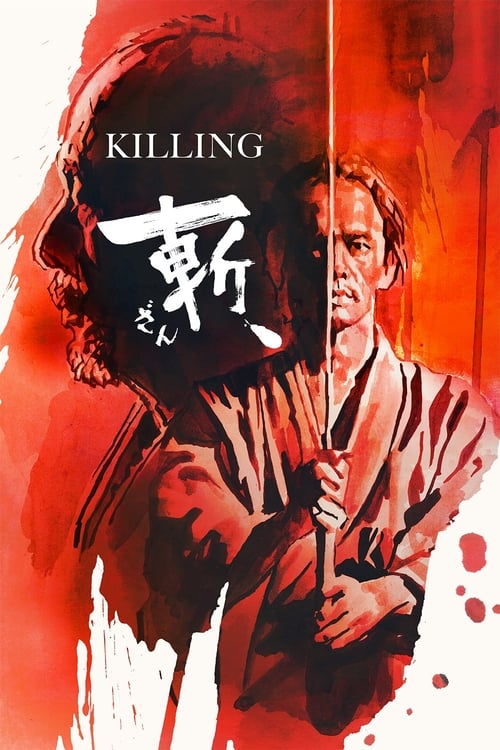


With Killing, released in 2018, Shinya Tsukamoto—an artist first celebrated for his raw, aggressive early cult films—ventured into samurai territory with a short, punishing character study. Running just 80 minutes, the picture poses its tagline question, "Why must I kill?", without offering any tidy resolution. The result is a spare jidaigeki that favors unease and moral weight over spectacle.
What Killing Is About
The action unfolds in Japan's Edo period, in the unsettled stretch before the shogunate's collapse. Mokunoshin Tsuzuki, a ronin, has carved out a sheltered life in an out-of-the-way farming community, lending a hand to residents while drilling with his sword each day. Closest to him are Yu, a village woman he has grown fond of, and her younger brother Ichisuke, who looks up to the drifting fighter.
This fragile calm is destined to break. With violence spreading nationwide and hired swords passing through the area, Tsuzuki senses his former life calling him back. When an offer arrives to join a group of mercenaries on a covert journey toward the capital, he must balance the village's safety against his own instincts—and decide what his blade is really meant for.
Out of respect for the film's surprises, the plot summary stops there. The essential arc, though, is clear: a man who attempted to step away from bloodshed learns how stubbornly it follows him.
Cast and Performances
Sosuke Ikematsu anchors the film as Tsuzuki with a performance defined by what he holds back. Rather than playing a confident hero, he shows a man at war with himself, conveying that struggle through subtle changes in bearing and glance instead of dramatic declarations.
Yu Aoi gives Yu a tender, grounded presence, tying the story emotionally to the village existence Tsuzuki risks losing. Tatsuya Nakamura lends the veteran fighter Sezaemon Genda real weight as a counterpoint, and Ryusei Maeda makes the youthful Ichisuke sincere and touching.
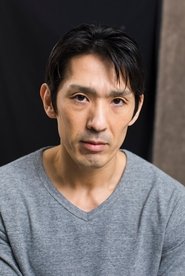
Notably, Tsukamoto himself steps in front of the camera as Jirozaemon Sawamura. Wearing both the director's and an actor's hat gives the film a rare coherence—its stark, physical style is shaped by the same sensibility on either side of the lens.
Behind the Camera: Tsukamoto's Handmade Approach
This is filmmaking in the auteur tradition. Tsukamoto handled the screenplay, direction, executive producing, and editing, and also shares cinematography duties with Satoshi Hayashi. That near-total control is evident in the movie's taut, jittery visuals and its trim 80-minute length, which permits no filler whatsoever.
Kaijyu Theater produced the picture, and Chu Ishikawa—a longtime Tsukamoto collaborator—created the score, his driving, industrial-tinged music supplying much of the film's tension. Viewers familiar with the director's back catalog will spot the familiar DNA: strained bodies, the machinery of violence, and a filmmaker who treats combat as something akin to injury rather than amusement.
Themes, Tone, and Style
Killing strips the romance out of the samurai genre. Instead of beautifying sword combat the way traditional jidaigeki often do, Tsukamoto renders killing as graceless, ugly, and corrosive to the soul. The film's guiding question—why kill at all—shadows every encounter, and the conclusion it drifts toward is anything but glorious.
The tone shifts between meditative period piece and raw action cinema. Extended passages of hushed village routine and daily practice are shattered by eruptions of violence that land as shocking rather than entertaining. The Edo-era backdrop, poised on the brink of upheaval, doubles as a mirror for Tsuzuki's turmoil: a nation nearing chaos, a man nearing a choice.
What emerges is spare, brooding, and intentionally unsettling—a samurai story concerned with what the sword costs, not what it confers.
Who Will Enjoy Killing
This is an excellent choice for audiences who prefer their historical cinema sober and character-focused. Anyone drawn to samurai films that question violence instead of glorifying it—stories in the morally serious jidaigeki lineage—will find here a brief but piercing entry in the genre.
It also rewards those tracking Tsukamoto's development as a director, as his trademark physicality and self-built intensity are redirected into a historical frame. Spectators hoping for a sprawling epic or grand historical pageant may be caught off guard by the film's intimacy and brevity; those who prize mood and moral gray areas will have much to savor.
Where to Watch Killing
In the United States, Killing streams with a subscription on ARROW. Digital buyers and renters can find it on the Apple TV Store, Google Play Movies, Amazon Video, and YouTube. Between the streaming option and multiple storefronts, this modestly sized release is not hard to locate.
Similar Titles Worth Exploring
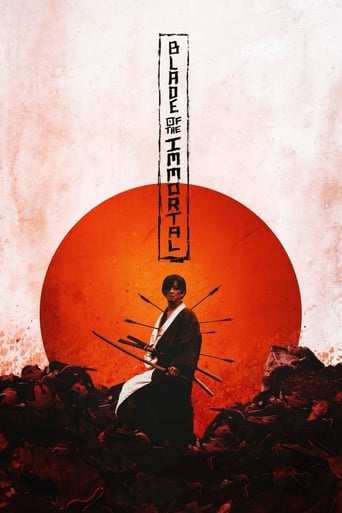
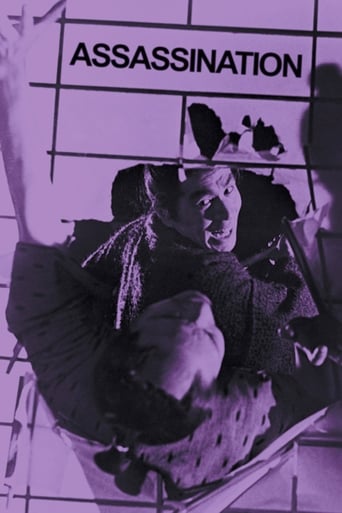
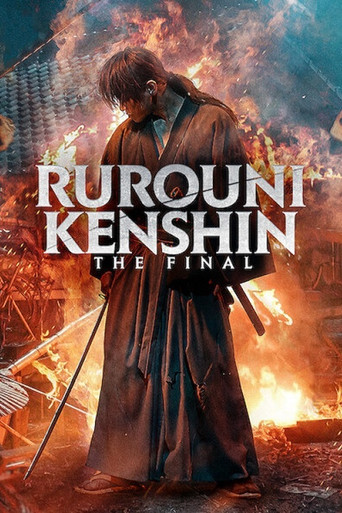
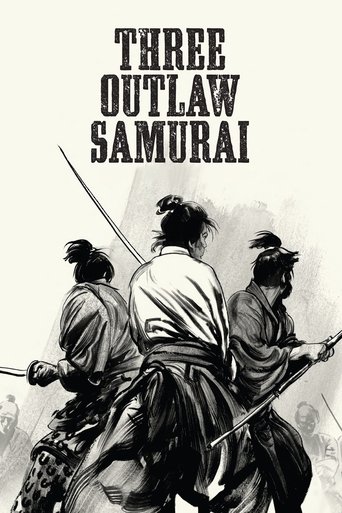
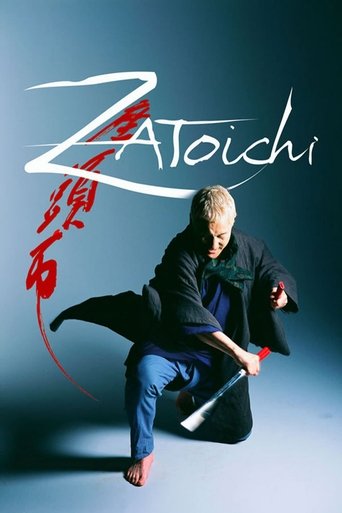
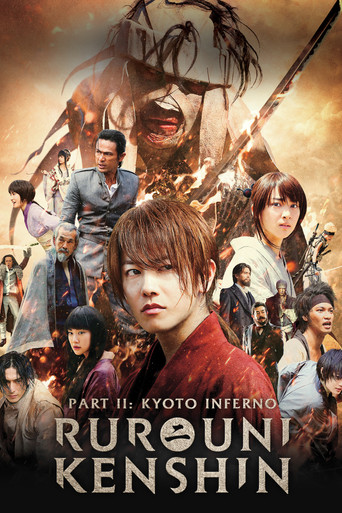
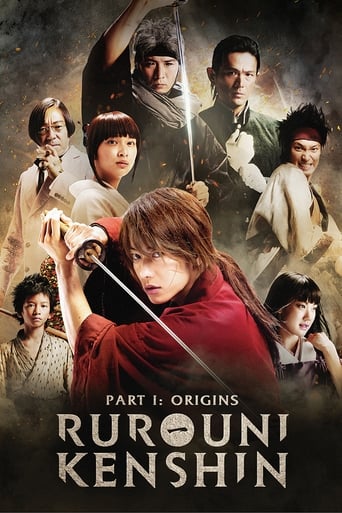
If Killing resonates with you, look for other samurai dramas that handle the blade with moral gravity. Tsukamoto's own earlier output offers a different flavor of the same fierce energy for viewers wanting more of his approach.
Admirers of the genre's contemplative side might also seek out classic jidaigeki about ronin and wandering swordsmen—tales of revenge, drifting warriors, and the fading of the samurai class amid Japan's final years of shogunate rule. With its mix of closeness and brutality, Killing sits comfortably alongside that tradition.
Frequently asked questions
What is the movie Killing about?
Killing centers on Mokunoshin Tsuzuki, a ronin living quietly in a village in Edo-period Japan. When conflict and disorder begin spreading nationwide, he is pulled back toward violence and must determine what purpose his sword should serve.
Who directed Killing (2018)?
Shinya Tsukamoto wrote, directed, and edited the film, acted as executive producer, and shares the cinematography credit with Satoshi Hayashi. He also appears on screen as Jirozaemon Sawamura.
Who stars in Killing?
Sosuke Ikematsu heads the cast as the masterless samurai Mokunoshin Tsuzumi—flanked by Yu Aoi as Yu, Tatsuya Nakamura as Sezaemon Genda, Ryusei Maeda as Ichisuke, and the director himself in a supporting part.
How long is Killing and what genre is it?
The film runs 80 minutes and is a Japanese-language mix of action and drama rooted in the jidaigeki (period drama) tradition. Released in 2018, it carries a 7.1 rating on TMDB.
Where can I watch Killing in the US?
US viewers can stream Killing on ARROW with a subscription, or rent and buy it digitally via the Apple TV Store, Google Play Movies, Amazon Video, and YouTube.







Comments (0)
Log in or create a free account to comment, rate and write reviews.