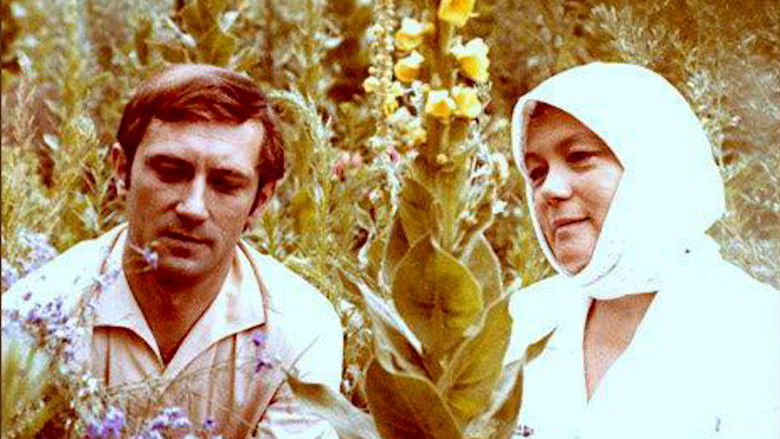
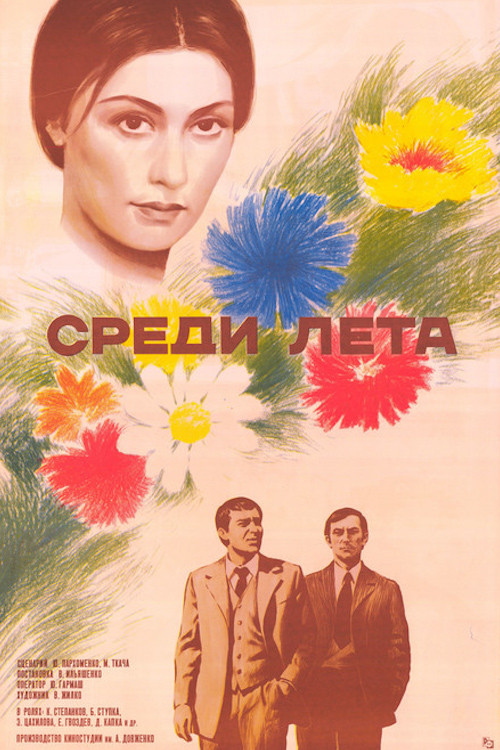
Few films announce their origins as plainly as In Midsummer (released in Ukrainian as Sered lita). Arriving in 1975 and performed in the Ukrainian language, this countryside drama blends workplace disagreement, plant science and an understated love story. It stands today as a telling example of a national film tradition that put soil, honest work and human temperament ahead of spectacle.
A Story Grounded in Fields and Conviction
The narrative centers on two men who once studied together at an agricultural academy. Ruban took the hands-on route, switching to correspondence study and heading into village work, while his fellow student Troian remained in academia and eventually bred a new wheat cultivar that bears a name close to his heart: Mariia.
Years later, now running a state farm, Ruban invites Troian to serve as chief agronomist so the new wheat can be trialed in genuine field conditions. On the surface this looks like an ideal match between administration and science. In reality, the old friends learn that a common past does not guarantee a common outlook.
What gives the film its strength is how unglamorous its conflict is. Instead of melodrama, the tension grows out of clashing management habits, divergent working methods and honest disagreement about the right way to do things. Troian's private life, above all his bond with the schoolteacher Mariia, supplies a second, more personal thread.
Cast and Acting Highlights
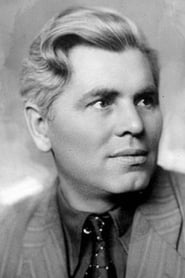
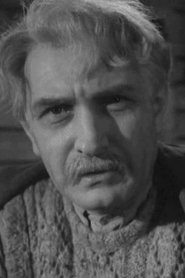
A formidable group of Ukrainian performers anchors the film, some of whom would become giants of the nation's screen history. Kostiantyn Stepankov embodies Ruban, the farm director whose drive is inseparable from his stubborn streak. Bohdan Stupka, among the most honored Ukrainian actors of the twentieth century, plays Troian, the principled agronomist whose scientific pride and romantic complications form the picture's emotional spine.
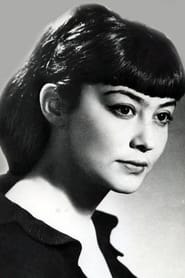
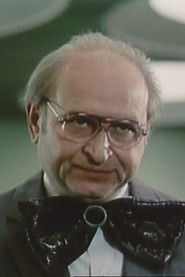
Zemfira Tsakhilova portrays Mariia, the woman whose name the wheat carries and whose place in Troian's life deepens the drama. Surrounding the leads, the supporting players lend the farm community real texture: Vitali Rosstalnoy as Tur, Grigory Mikhaylov as Anastas, Oleksandr Hai as Skoryna, Viktor Chernyakov as Lahoda, Vyacheslav Voronin as Makarets, and Lyudmila Kupina as Nadiia.
The acting endures because of its restraint. Meaning is carried by looks, silences and the gradual buildup of distance between colleagues unwilling to acknowledge how much they have changed. Those who know Soviet-era Ukrainian cinema will recognize the quiet command that Stepankov and Stupka bring to such parts.
Behind the Camera: Direction and Production
Vasyl Illiashenko directs with a preference for watching over showing off, letting situations unfold at their own tempo. The script was written by Yuriy Parkhomenko and Mykhailo Tkach, authors attuned to both the cadence of village life and the institutional strains of collective farming, and their screenplay shapes the story into a patient character study.
Cinematography by Yurii Harmash turns the Ukrainian countryside into a living element of the narrative. Fields, outbuildings and open skies are framed with a deliberate, unhurried gaze, underlining that the land is the true stage on which the two men contend and cooperate. The visuals support rather than crowd the human story.
Dovzhenko Film Studios produced the picture; the celebrated Kyiv facility carries the name of master filmmaker Oleksandr Dovzhenko. By the mid-1970s the studio had honed a recognizable tradition of lyrical, earthbound drama, and this film fits neatly within it. Oleksandr Bilash, one of Ukraine's most admired melodists, composed the score, lending warmth and a trace of sadness without tipping into sentiment.
Themes, Tone and Style
Beneath the plot, the film stages a meeting of two temperaments: the practical organizer and the committed specialist. Ruban and Troian are neither villain nor hero; they are professionals whose habits and outlooks fail to mesh, and the film handles their friction with a balanced, grown-up touch. Their disputes over how to lead and how to work touch on something universal about collaboration, well beyond the farm setting.
Running alongside the professional conflict is a subdued romance. Naming the wheat after Mariia is far from a throwaway detail, and the film lets that choice carry emotional weight without over-explaining it. Love, pride and ambition are presented as intertwined roots rather than separate stalks.
In tone, the picture belongs to the quiet rural drama tradition. There is no haste, no sensationalism and no manufactured twists. Its rhythm instead echoes the farming calendar: seasonal, patient, and alive to small shifts whose meaning only emerges with time. Fans of slow-building character pieces will find that pace a virtue rather than a burden.
Who Should Watch It
The film will resonate most with viewers drawn to Soviet-era and Ukrainian cinema, where it sits within the broader Dovzhenko Film Studios tradition. Lovers of rural stories and dramas about working life, where professional integrity and personal loyalty genuinely matter, will find much here.
It is also an obvious choice for admirers of Bohdan Stupka and Kostiantyn Stepankov, performers whose reputations loom large in Ukrainian film. Scholars tracing the development of Ukraine's national cinema will value it as a demonstration of how 1970s domestic productions tackled contemporary themes in their own language.
Anyone hoping for brisk plotting or genre excitement should calibrate expectations accordingly. This is a film that pays back attention and patience, delivering its rewards slowly, through performance and mood rather than incident.
Where to Watch
For audiences in the United States, access to In Midsummer can shift over time, as often happens with older international releases. It may surface on streaming services focused on classic and world cinema, and it is sensible to check major on-demand platforms for digital rental or purchase.
As a catalog title from 1975, it will not necessarily remain listed on every service. Consulting current listings on popular streaming aggregators is the surest way to learn where it can be seen at the moment. Physical media and library holdings are also worth exploring for a film of this age.
As with any older foreign-language picture, confirm that whatever version you find presents the original Ukrainian audio with English subtitles.
Comparable Films to Discover Next
If In Midsummer leaves you wanting more, a rich body of related cinema awaits. The wider catalog of Dovzhenko Film Studios from the 1960s and 1970s contains many rural dramas and lyrical depictions of Ukrainian life that match this film's sensibility.
You might also explore other Soviet-era dramas built around professional duty and moral choice, a mode that the period's studios handled with real finesse. Stories of scientists, engineers and managers confronting conscience and ambition recurred throughout the era, and this film shows how those themes translated to an agricultural backdrop.
Viewers taken with the romantic strand may enjoy classic European dramas where love and labor are woven together. And anyone curious about the leads can trace further films featuring Bohdan Stupka or Kostiantyn Stepankov for a deeper look at Ukrainian screen acting.
Frequently asked questions
What is In Midsummer about?
It is a 1975 Ukrainian-language drama following Ruban and Troian, former classmates who meet again at a state farm to trial a new wheat variety, where disagreements over leadership and romantic entanglements complicate their reunion.
When was In Midsummer released?
It premiered in 1975. The picture was made at Dovzhenko Film Studios under director Vasyl Illiashenko, working from a screenplay by Yuriy Parkhomenko and Mykhailo Tkach.
Who stars in In Midsummer?
Kostiantyn Stepankov plays Ruban, Bohdan Stupka plays Troian, Zemfira Tsakhilova plays Mariia, and Vitali Rosstalnoy plays Tur, with supporting roles from Grigory Mikhaylov, Oleksandr Hai, Viktor Chernyakov and Vyacheslav Voronin.
What language is In Midsummer in?
The film is in Ukrainian; its original title is Sered lita. English-speaking audiences should seek out a print or stream offering English subtitles.
Is In Midsummer suitable for viewers who dislike slow films?
It is a measured, character-focused rural drama rather than a quick-moving one. Those who appreciate understated Soviet-era cinema and stories of work, ethics and love will likely find the pacing satisfying.






Comments (0)
Log in or create a free account to comment, rate and write reviews.