Robert Lovy is an American screenwriter and filmmaker best associated with a quirky, small-scale branch of independent science fiction from the early 1990s. Credited as the writer of Circuitry Man and as director of its follow-up, Plughead Rewired: Circuitry Man II, he contributed to a modestly budgeted yet inventive depiction of a future mixing cyberpunk elements with unconventional comedy. Although his list of screen credits is short, the work has maintained a devoted niche audience.
Early Life and Background
Publicly accessible sources offer little in the way of biographical detail about Lovy's formative years. His date and place of birth are not well established, and reliable records of his family, education or upbringing are largely absent from mainstream references.
What is clear is that his film career took root around the start of the 1990s, when he surfaced as a member of a compact creative group working in independent genre filmmaking. Anyone researching him should be aware that nearly everything documented about Lovy derives from his screen credits rather than interviews or formal profiles.
Career Beginnings and the Debut
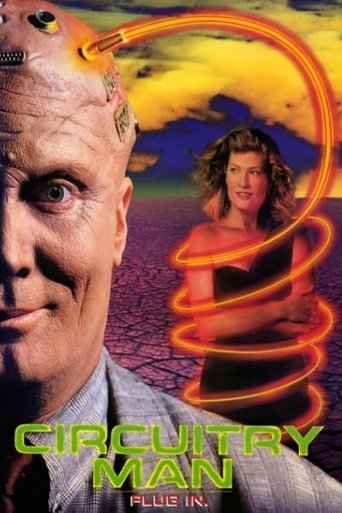
Lovy's initial significant credit came with the 1990 release Circuitry Man, where he handled the screenplay. The picture was a modestly financed science fiction comedy unfolding in a smog-choked dystopian tomorrow, and it distinguished itself through its off-kilter tone in an era when cyberpunk tended toward darker, more polished productions.
Steven Lovy directed the film, and their shared surname suggests a close creative alliance between them. Penning the script for such an ambitious independent effort meant compensating for scarce resources with cleverness and invention rather than spectacle, and that ingenuity became a hallmark of the production.
Breakthrough with Circuitry Man
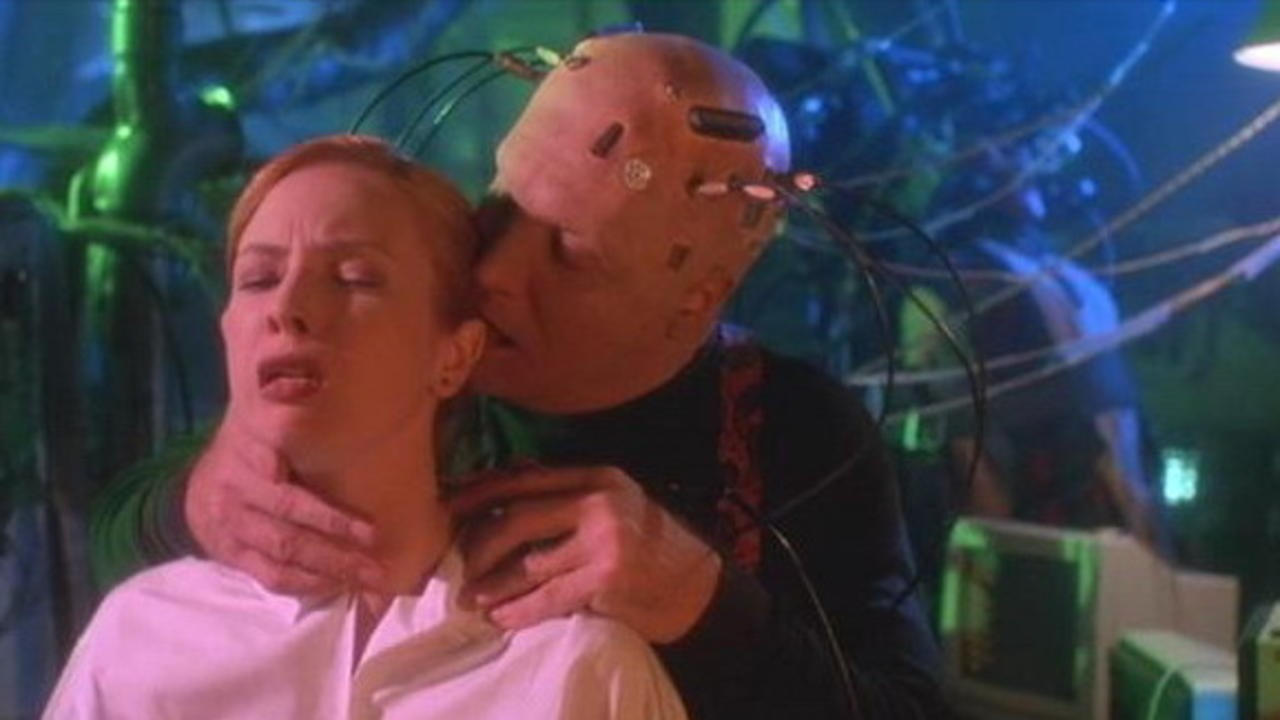
For everyone involved, Robert Lovy included, Circuitry Man served as the breakthrough. The story tracked its characters across a peculiar future world filled with strange personalities, among them a menace called Plughead, and its blend of futuristic devices with dry humor gave it a character all its own compared to the era's larger-budgeted genre entries.
Though it never achieved mainstream success, the film built its audience through home video and late-night showings, the customary channels through which cult pictures gain traction. For Lovy, it demonstrated his ability to construct an original fictional world on limited funding and opened the door to a sequel.
Plughead Rewired: Circuitry Man II (1994)
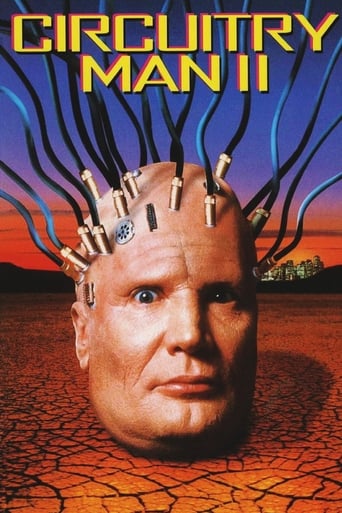
In 1994, Lovy moved into the director's chair for Plughead Rewired: Circuitry Man II, continuing the story of the first film. This stands as his directing credit among his known works and marked a broadening of his involvement in the series he had helped originate as a writer.
The follow-up carried forward the narrative of the original, returning to its futuristic milieu and recurring characters, and again privileging eccentric characterization and homemade-feeling effects over standard action fare. As with the first entry, it reached viewers through the cult circuit rather than broad theatrical distribution, and it remains the title most identified with Lovy as a director.
Later Work: Mix (2004)
According to available records, Lovy's screen career runs from 1990 through 2004, encompassing three film credits and no television appearances. His next documented project after the sequel arrived ten years on with Mix, a 2004 feature for which he served as a writer.
The decade-long interval between the Circuitry Man entries and Mix reflects how thin his recorded filmography is, a familiar situation for creators laboring on the independent fringe, where productions can take years to come together and many never secure wide release. Mix is the latest film credit widely listed for him.
Frequent Collaborators
Three names appear repeatedly alongside Lovy's credits. Steven Lovy, director of the original Circuitry Man, shares two titles with him, pointing to what seems to be a familial or at least firmly rooted creative partnership at the core of the series.
Dennis Christopher and Paul Willson likewise each share two titles with Lovy, showing their participation across the Circuitry Man films. Christopher, recognized for earlier work in respected dramas, contributed committed performances to the unconventional material, while Willson helped shape the pictures' supporting texture. These repeated alliances hint at a closely knit production approach in which a stable core group returned to construct the series' world together.
Style, Range and Recognition
Lovy's output occupies the meeting point of science fiction and comedy, marked by inventive world-building, quirky characters and an embrace of strangeness over slickness. The Circuitry Man films especially are recalled for their handcrafted appeal, weaving cyberpunk imagery—implants, gadgets, polluted future landscapes—into a light, almost whimsical sensibility.
With only three films on record, evaluating range across genres is challenging; the available evidence suggests a writer-director with a distinctive, particular voice rather than a versatile chameleon. Details of formal awards or nominations are scarce in public sources, and his reputation rests primarily on the cult status the Circuitry Man pictures enjoy among devotees of unconventional science fiction.
Legacy and Where to Start
Lovy's standing is that of a cult figure: a creator whose limited body of work keeps finding viewers drawn to independent, offbeat science fiction from the VHS age. The Circuitry Man films are regularly encountered anew by genre fans venturing past the decade's blockbusters.
For those new to his work, the obvious entry point is 1990's Circuitry Man, which established the world and its characters. Viewers who respond to it can move on to Plughead Rewired: Circuitry Man II from 1994, directed by Lovy and building on the first film. Mix, from 2004, rounds out his documented filmography and shows his later writing. Experiencing the two Circuitry Man films in sequence offers the fullest appreciation of the series' cumulative, episodic appeal.
Frequently asked questions
Who is Robert Lovy?
Robert Lovy is a screenwriter and filmmaker active in independent science fiction. He wrote Circuitry Man (1990), directed the sequel Plughead Rewired: Circuitry Man II (1994), and wrote Mix (2004).
What is Circuitry Man about?
Circuitry Man is a modestly budgeted science fiction comedy set in a dystopian future, following its characters through an odd landscape that features the antagonist Plughead. It is remembered more for its unconventional humor and cult audience than for commercial success.
Did Robert Lovy direct Circuitry Man II?
Yes. Lovy directed Plughead Rewired: Circuitry Man II, which came out in 1994. It is his best-known directing credit and a continuation of the world he helped establish as the first film's writer.
Who did Robert Lovy collaborate with?
His documented recurring collaborators are Steven Lovy, who directed the original Circuitry Man, along with actors Dennis Christopher and Paul Willson, each of whom shares two titles with him across the Circuitry Man films.
What should I watch first if I'm new to his work?
Begin with Circuitry Man (1990), then continue with Plughead Rewired: Circuitry Man II (1994) to see the series in sequence. Mix (2004) is his latest documented film credit and completes the picture of his filmography.







Comments (0)
Log in or create a free account to comment, rate and write reviews.