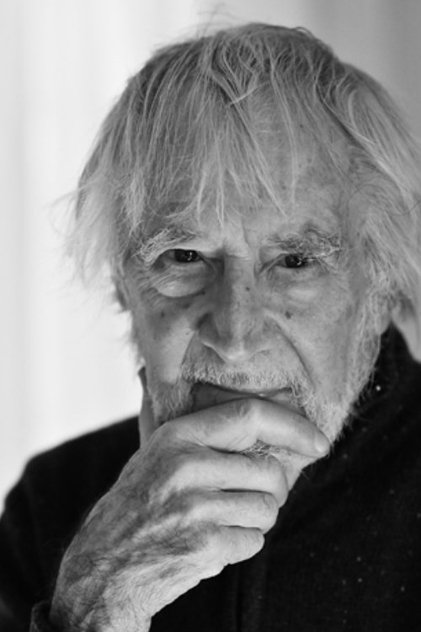
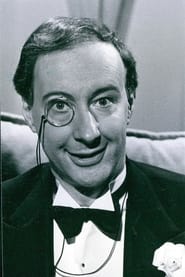
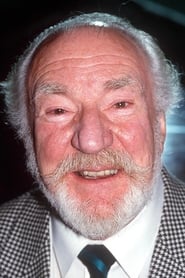
Not every actor chases stardom; some build careers on being instantly recognisable. Robert Gillespie is very much in that latter group. Between 1956 and 2018 he assembled an enormous body of work on screen, turning up in many of the programmes that defined British television. Anyone who watched classic British TV will likely look at his face and wonder where they've encountered him.
Early Life and Background
Born on 9 November 1933 in Lille, in France's Nord department, Gillespie has been credited variously as Robert James Gillespie or, more informally, Bob Gillespie. Though France was his birthplace, virtually all of his professional life took place in the British screen industries, where he carved out a niche as a versatile and dependable supporting performer.
Little is publicly recorded about his childhood or training — a common situation for performers of his era, whose reputations rested on their work rather than on fame. What is beyond dispute is the extraordinary span and steadiness of his career.
Career Beginnings and Early Television Work
His first screen appearance came in 1956, arriving at a moment when British television was blossoming into its era of live drama and anthology shows — fertile ground for a young actor happy to take on all manner of parts.
Among his earliest jobs were a turn as Gerard in a 1960 TV version of Maigret and the part of Pierre in The Saint in 1962. A year earlier, in 1961, he had shown up in The Avengers as a lift attendant, in what became one of the signature British shows of the period. These modest roles set the tone for everything that followed: Gillespie became the performer producers rang when a scene demanded a solid, convincing bit of supporting work.
The 1960s: Anthology Drama and Classic Series
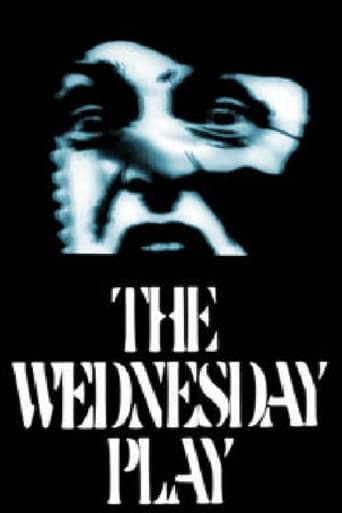
The sixties laid the groundwork for everything Gillespie would become. Alongside those first appearances in The Avengers, The Saint and Maigret, he featured in two of the era's most respected drama strands: The Wednesday Play, as Bruce Maslin in 1964, and BBC Play of the Month, as Manioulov in 1965. He also played Monsieur Mousquet in Theatre 625, yet another leading anthology programme of the day.
These slots were where Britain's serious acting talent was tested, and his presence in them showed that Gillespie could be handed weighty material. In 1968 he showed his lighter side too, playing Charles Boyer in an episode of the beloved sitcom Dad's Army — an early sign of the range that would mark his whole career.
The 1970s: A Decade of Prolific Work
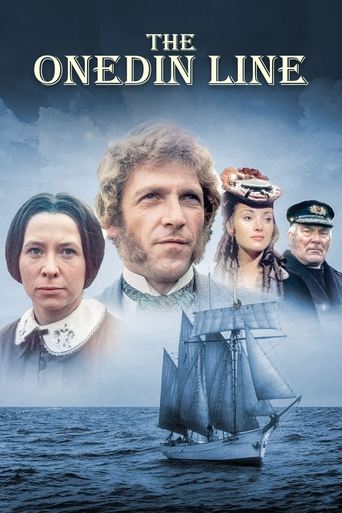
The seventies saw him working flat out. 1971 brought the part of Drummond in The Onedin Line, the much-watched seafaring drama. 1974 gave him two very different jobs: Alec in Playhouse and Sir William Wade in Churchill's People, the BBC's dramatisation of British history.
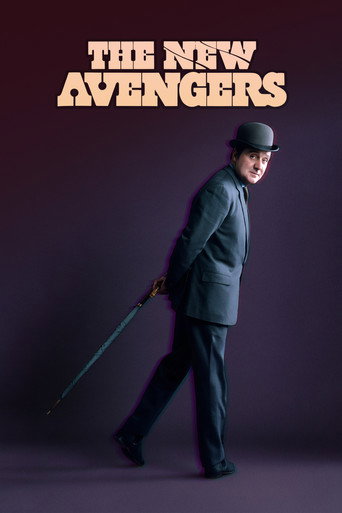
In 1975 he took the role of a steward in The Sweeney, the hard-edged police show that changed the genre. Then came two of his most memorable genre credits: Frank Goff in The New Avengers in 1976 — a return to the world that had given him one of his first jobs — and a double appearance in 1977, first as Sammy in The Professionals and then as Eugene Zander in Secret Army, the highly regarded wartime resistance drama.
Later Work and a Remarkably Long Career
There was no slow fade after the classic era. Gillespie kept working deep into the twenty-first century, with a late-arriving credit as a Professor in the children's spy comedy M.I. High in 2007. Taken as a whole, his career — running from 1956 to 2018 — totals 23 film appearances and 48 television series credits.
Very few performers sustain a working life that long. His endurance reflects a reputation for dependability: across six decades, directors and casting teams came back to him again and again, confident he could deliver whatever a scene required, be it comedy, crime, history or espionage.
Collaborators and Working Relationships
His filmography reveals a tight circle of regular professional partners. Director Alan Cooke and writer Roger Marshall each share seven titles with him, with Peter Hammond close behind on six. Dick Clement, Alan Gibson and Ray Austin each worked with him on five productions.
Such repeated pairings show how the British television industry functioned in the sixties and seventies: compact pools of directors, writers and character players circulated from one production to the next, creating the shared stylistic language that gave the period its distinctive character. Gillespie was a firmly established member of that community.
Style, Range and Legacy
The best measure of Gillespie's career is its width. He slipped easily between spy fiction (The Avengers, The New Avengers, The Professionals, M.I. High), police drama (The Sweeney), period and historical material (Churchill's People, The Onedin Line, Secret Army), prestigious anthology slots (The Wednesday Play, BBC Play of the Month, Theatre 625, Playhouse) and comedy (Dad's Army). His French origins presumably made him an obvious pick for continental parts — think of Pierre in The Saint or Eugene Zander in Secret Army.
Public records of awards or nominations for him are sparse; instead, his reward was continuous employment across decades in a fiercely competitive field. Viewers curious about his work could do worse than start with The Avengers (1961), Dad's Army (1968), The Sweeney (1975), The Professionals (1977) and Secret Army (1977) — together they demonstrate the versatility that kept him on screen from the fifties right through to 2018.
Frequently asked questions
Who is Robert Gillespie?
Robert Gillespie — sometimes billed as Robert James Gillespie or Bob Gillespie — is a British character actor born in Lille, France, in 1933. From 1956 to 2018 he amassed 23 film and 48 television series credits, with appearances in The Avengers, Dad's Army and The Professionals among many others.
When and where was Robert Gillespie born?
He arrived on 9 November 1933 in Lille, in the Nord area of France, although his whole professional life was spent in the British film and television world.
What is Robert Gillespie best known for?
His fame rests on supporting parts in classic British television: The Avengers (1961), The Saint (1962), Dad's Army (1968), The Sweeney (1975), The New Avengers (1976) and Secret Army (1977).
Did Robert Gillespie win any awards?
Publicly accessible records of awards or nominations for Gillespie are thin. His true recognition lies in a career lasting six decades and in his appearances in numerous landmark British productions.
What was Robert Gillespie's last screen appearance?
His documented career runs to 2018; among his later noted roles was a Professor in M.I. High in 2007. In total he logged 23 film and 48 television series credits.





















Comments (0)
Log in or create a free account to comment, rate and write reviews.