Some names in film history survive by accident of association, and Monte Starr is one of them. He is remembered almost entirely because his name appears in the credits of a celebrated early-1990s gangster film, while almost nothing else about his life has found its way into print. For viewers who spot him in cast listings and credit databases and ask who he was, the reply is straightforward yet incomplete: one confirmed screen credit places him in a landmark ensemble production, and that lone appearance is what keeps his name alive in searches decades later.
Who Is Monte Starr and Why Do People Search for Him?
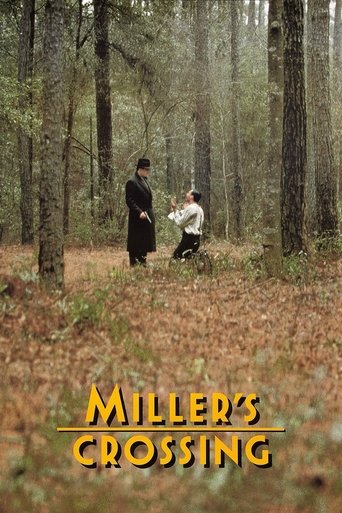
Credit databases classify Monte Starr under the acting department, identifying him as a performer. Rather than assembling a long resume of major and minor parts, his recorded screen presence rests entirely on one released title: Miller's Crossing from 1990. That picture, helmed by Joel and Ethan Coen, went on to become a defining work of neo-noir crime cinema, meaning anyone who appeared in it—even fleetingly—is forever linked to a cast that cinephiles still examine today.
His name circulates for exactly this reason. Fans of the Coen brothers routinely comb through the film's cast list, researchers charting character actors of the period do the same, and curious viewers enjoy pinning down even the tiniest credited parts. In that setting, a performer billed as the "Gunman in Leo's House" naturally sparks interest. Who was he, and what became of him? The candid answer, judging by what records exist, is that very little more has been preserved—making him a typical case of the countless working performers whose entire legacy lives in a single credit.
Early Life and Background: What Is Actually Known
Solid biographical detail on Monte Starr is hard to come by. Reference sources offer no confirmed birth date or place of birth, and nothing reliable about his upbringing, schooling, or family has appeared in mainstream film literature. Such gaps are hardly rare for bit players and background performers of that generation, whom the entertainment press rarely chronicled.
The few confident statements come from credit listings: he worked as an actor, and his recorded professional activity clusters around 1990. Beyond that, readers should treat any assertions about his personal history with caution, since none have been established in verifiable sources. In an era when even the most obscure performers acquire digital footprints, Starr stands as an example of a film worker whose story is told almost solely through the work itself.
Career Beginnings and Screen Debut
According to the documented record, 1990 serves as both the opening and closing year of Starr's screen activity—his first and last known credits land in the same year. The title in question was Miller's Crossing, a period gangster drama set in Prohibition America and built around the shifting allegiances of mobsters, fixers, and political operators.
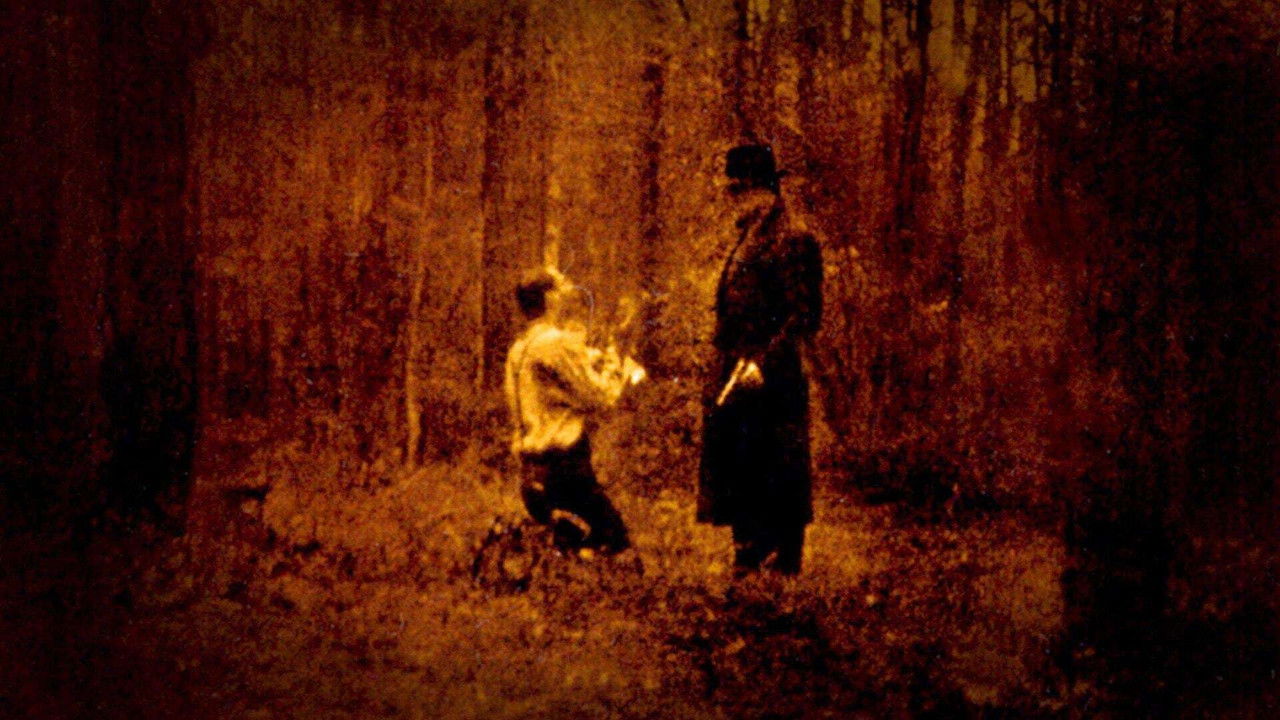
His billing was "Gunman in Leo's House," a part tied to a specific and much-discussed stretch of the film involving the Leo character. Though plainly a small, functional role within a sprawling ensemble, landing a spot in a production of this stature was no small achievement for a working actor. Prestige pictures of this scale generally filled even the smallest parts with competent talent, so simply being cast hints that Starr impressed someone during casting, whatever the rest of his story turned out to be.
Miller's Crossing: The Film That Defines His Record
Grasping why one credit carries so much weight requires understanding the film. Miller's Crossing, which arrived in 1990, is broadly considered one of the standout crime pictures of its decade, fusing hard-boiled gangster narrative with the Coen brothers' signature visual flair, elaborate plotting, and deadpan humor. Its cast included performers who later enjoyed long, acclaimed careers, and the movie's standing has only strengthened over time.
Within that context, Starr's turn as a gunman in Leo's house sits inside one of the picture's most discussed stretches. The film is renowned for its set pieces, and the events around Leo's household rank among the scenes fans return to most. Plenty of viewers who could never name every credited actor have almost certainly watched Starr's work without knowing it, as the film keeps being screened, studied, and shown to new audiences.
For Starr, this means his professional legacy is tied to a title that has aged exceptionally well. Instead of vanishing alongside some forgotten production, his single documented credit connects him to a film that routinely lands on rankings of the greatest crime movies ever made.
A Career of One Credit: Reading Between the Lines
Reference listings show precisely one movie and zero television series for Starr, with his recorded span running from 1990 to 1990. How to make sense of such a narrow record is an open matter. It might indicate a fleeting brush with acting, a career that went largely unrecorded so that only one appearance was formally logged, or simply the gaps in how minor players of the period were catalogued. What the record will not support are claims of an extensive filmography, later projects, or ongoing screen work.
The pattern is familiar throughout film history. Productions of that era hired hundreds of performers, from featured bit players to background artists, and many never accumulated substantial documented credits. Starr's place in the historical record is therefore best read as a snapshot: one preserved moment, kept alive only because the film it belongs to became a classic.
Style, Range, and the Nature of the Role
With a single documented performance to draw on, sweeping judgments about Starr's range or signature style are impossible. What the part itself implies is an aptitude for period material: portraying a gunman in a Prohibition-era gangster film demands physical presence and the skill to inhabit the tightly stylized world the Coen brothers constructed with meticulous care. Actors in such roles had to melt into a carefully art-directed setting while still registering on screen.
Crime and gangster cinema calls for a distinct kind of supporting turn—one that radiates menace and atmosphere without stealing the frame. Starr's credited position within the film's action suggests he delivered that function convincingly enough to warrant a named credit, itself a meaningful distinction in a production famous for its exacting standards.
Recognition and Awards
Available reference material records no awards or formal industry honors for Monte Starr, and any claims to the opposite should be met with doubt. Given the nature of his recorded work, this comes as no surprise; awards attention seldom reaches small credited parts, and the film's own accolades belong to its principal creators and stars. His recognition, such as it exists, arrives in another form: the lasting visibility that accompanies appearing in a picture that audiences and critics still celebrate. For many working actors, being woven into a beloved classic is the most durable acknowledgment the industry can give.
Legacy and Where to Start with His Work
Since Starr's documented filmography holds just one title, there is no lengthy menu of entry points into his work. The obvious—and only—starting point is Miller's Crossing from 1990, the film in which he plays the gunman in Leo's house. Watching it accomplishes two things at once: it delivers one of the crime genre's finest examples, and it lets inquisitive viewers see the performance that keeps Starr's name in circulation.
For anyone planning a viewing around his record, the practical advice is simple. Begin with Miller's Crossing as the essential title. A second watch pays off, since the film's intricate plotting rewards close attention and makes even minor roles easier to appreciate. Supplementing the film with reading about its production and cast can also help place Starr's part in context. Past that, the honest counsel is to keep expectations modest: no further titles can be verifiably linked to his name, and his legacy rests on this one, well-chosen appearance.
Ultimately, Monte Starr's story underscores that film history is not written by stars alone. It is also shaped by the performers occupying the frame's edges, whose work lives on each time the films they appeared in are watched again.
Frequently asked questions
Who is Monte Starr?
Monte Starr is an actor whose documented screen career amounts to a single credited appearance: the gunman in Leo's house in the 1990 gangster film Miller's Crossing. Outside that role, little reliable biographical or filmographic detail has been recorded in mainstream sources.
What movie was Monte Starr in?
His only confirmed film credit is Miller's Crossing, released in 1990. There he appears as "Gunman in Leo's House," a small part within the picture's large ensemble cast.
Was Miller's Crossing Monte Starr's only film?
Judging by available credit databases, yes. His recorded filmography shows one movie and no television work, with his documented activity starting and ending in 1990. Any further unrecorded work cannot be verified from existing sources.
When and where was Monte Starr born?
No confirmed birth date or birthplace has been documented for Monte Starr in publicly accessible film references. Information about his early life and personal background is generally absent from the record.
Did Monte Starr win any awards?
No awards or formal honors are on record for Monte Starr. His enduring recognition stems from appearing in Miller's Crossing, a film that remains widely admired and frequently rewatched by fans of crime cinema.

Comments (0)
Log in or create a free account to comment, rate and write reviews.