Mamoon works as an actor, and his name is tied above all to television drama — specifically to one production, Aansoo, broadcast in 2000, that still comes up whenever he is mentioned. Publicly available information about his personal life and broader career is thin, and that gap itself makes him a revealing example of how performers from that period of television are remembered: often through one memorable credit rather than through a full documented body of work.
Who Is Mamoon and Why His Work Still Draws Interest
Professionally, Mamoon is identified as an actor working chiefly in television. The screen record that survives today is compact: a single credited appearance in the television production Aansoo from 2000. Viewers who come across his name through rewatched older serials or recommendations from those who saw the original broadcast will find a familiar pattern in South Asian television — a performer whose episodes reached large audiences even though little was recorded about the person behind the role.
Curiosity about actors from this era tends to resurface whenever classic serials find new viewers. Those searches almost invariably lead back to the same place, and for Mamoon that place is Aansoo, which naturally serves as the centre of any account of his career.
Early Life and Background
Verified details about Mamoon's early years are essentially absent from accessible records. Neither his date of birth nor his place of birth appears in the sources available, and nothing confirmed exists regarding his family, childhood, or schooling.
Such gaps are common for drama performers of his generation. Serial actors of that time received plenty of coverage while their shows aired, but systematic archiving was not the norm it is now. Consequently, performers from that period tend to be remembered through their on-screen output rather than through biographical paperwork, and Mamoon's performances are the most dependable evidence of who he was as an artist.
Career Beginnings and the Road to Television
The documented timeline of Mamoon's career starts with television, and 2000 is the first year that can be confirmed for his screen work. No earlier film or stage credits show up in available records, leaving open whether television marked his starting point or whether prior work simply went unrecorded.
Television at the turn of the millennium was a rewarding arena for newcomers. Serial dramas then were genuine communal events — watched live by households and talked about long after broadcast. Securing a role in that environment meant performing before devoted, attentive audiences inclined to remember memorable work for years. Whenever and however Mamoon entered the profession, his timing placed him in one of television's richest periods.
Aansoo: The Defining Credit
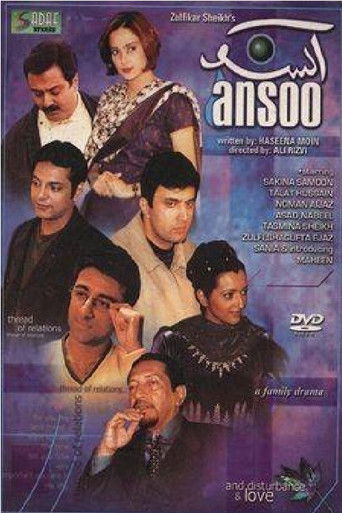
Aansoo, broadcast in 2000, is Mamoon's most prominent and best-attested appearance on screen. The title — the word means "tears" — signals its roots in the emotionally charged drama tradition that ruled the airwaves then, a genre that allowed actors to take on material of genuine dramatic depth.
For much of the audience, the link between Mamoon and Aansoo is what keeps his name alive. When a serial strikes a chord, it can outlast the careers of all who made it. More than two decades later, Aansoo still functions as the reference point for Mamoon, which speaks to the durability of quality television from that era and to how firmly audiences retain performances that touched them.
Working in the Television Drama Tradition
Since Mamoon's confirmed credits sit entirely in television, the tradition he belonged to deserves attention. Serialized drama around 2000 called for specific strengths: carrying a character over numerous episodes, developing emotional arcs at a measured pace, and commanding intimate, dialogue-driven scenes that formed the backbone of the format.
Performers who thrived there were prized for understated virtues — restraint, timing, and sincerity — rather than spectacle. Though nothing is on record about Mamoon's personal technique, his casting in Aansoo implies he was entrusted with material that relied on exactly those traits. The genre's focus on family ties, relationships, and moral dilemmas gave actors of his generation room for subtle work, and viewers answered with a loyalty that has lasted remarkably well.
Recognition and Public Profile
Available documentation lists no awards or formal honours for Mamoon. That absence says little about the merit of his work and more about how television actors of the time were acknowledged — largely through audience affection and repeat viewings rather than trophies or archived citations.
His standing today rests almost wholly on his credited output. In a field where attention fades quickly, the continued curiosity around his name is itself a kind of recognition — one conferred by viewers rather than institutions.
Legacy and Where to Start
Anyone wishing to see Mamoon's work has an easy task, given how short his documented filmography is. Aansoo (2000) is the obvious entry point — his signature credit, and a viewing experience that shows both his performance and the drama style of its day.
Past that one title, his legacy is best appreciated as part of a wider story: the generation of television actors who defined an age of family-oriented drama and whose performances keep being rediscovered. On paper his career is brief, yet the ongoing interest in him shows that in television, significance is measured not by the number of credits but by the mark left on the audience.
Frequently asked questions
Who is Mamoon?
Mamoon is an actor associated with television. His clearest and most widely cited screen credit is the 2000 drama Aansoo, the title most firmly connected with his career.
What is Mamoon famous for?
His fame rests on the television serial Aansoo, broadcast in 2000. The drama's emotional hold on viewers has kept his name circulating among fans of classic television.
When did Mamoon's career begin?
2000 is the earliest year documented for his screen work, matching the airing of Aansoo. No earlier film or television credits appear in accessible records.
Did Mamoon win any awards?
No awards or formal honours appear in public sources. Whatever recognition he earned seems to have come from audience regard rather than documented accolades.
Where can I start with Mamoon's work?
Begin with Aansoo (2000), his signature and most prominent credit. It offers a direct view of his performance and of the television drama tradition of the period.


Comments (0)
Log in or create a free account to comment, rate and write reviews.