Lee Eun-joo is a South Korean performer whose recorded work is tied to Korean cinema of the 2000s. Her documented filmography is short, yet it includes a role in one of the era's most influential domestic hits. For newcomers to Korean film, her credits offer a compact entry point into an industry that was expanding rapidly at the time.
Who Is Lee Eun-joo and Why Does She Matter?
Lee Eun-joo worked as a feature film actress in South Korea. Today, people usually come across her name through cast listings and movie databases, where she appears among the credited performers of productions that continue to be watched by fans of Korean film.
What gives her name lasting relevance is not the length of her resume but the caliber of the project she entered with. Her first appearance was in a picture widely considered a milestone of Korean filmmaking, so even a minor part exposed her to a huge domestic audience. That connection has kept her name circulating among cinema enthusiasts well beyond her active years.
It should be said clearly at the outset: reliable public information about her personal life and career is thin. This profile limits itself to what is firmly on record, namely her two credited film roles and the years they were released.
Early Life and Background
Publicly verifiable information about Lee Eun-joo's upbringing and personal history is hard to find. Whereas many prominent actors have their schooling and paths into the industry documented in detail, no such extensive coverage exists for her, and this profile avoids speculation beyond the established record.
What is known is that she began appearing on screen at the turn of the millennium, a moment when Korean filmmaking was enjoying a remarkable surge in both artistry and box-office strength. Homegrown productions were attracting record crowds, directors were earning attention abroad, and the cultural wave that would later spread Korean entertainment worldwide was just taking shape. Starting out then meant working in one of the liveliest film environments anywhere.
Career Beginnings and Debut
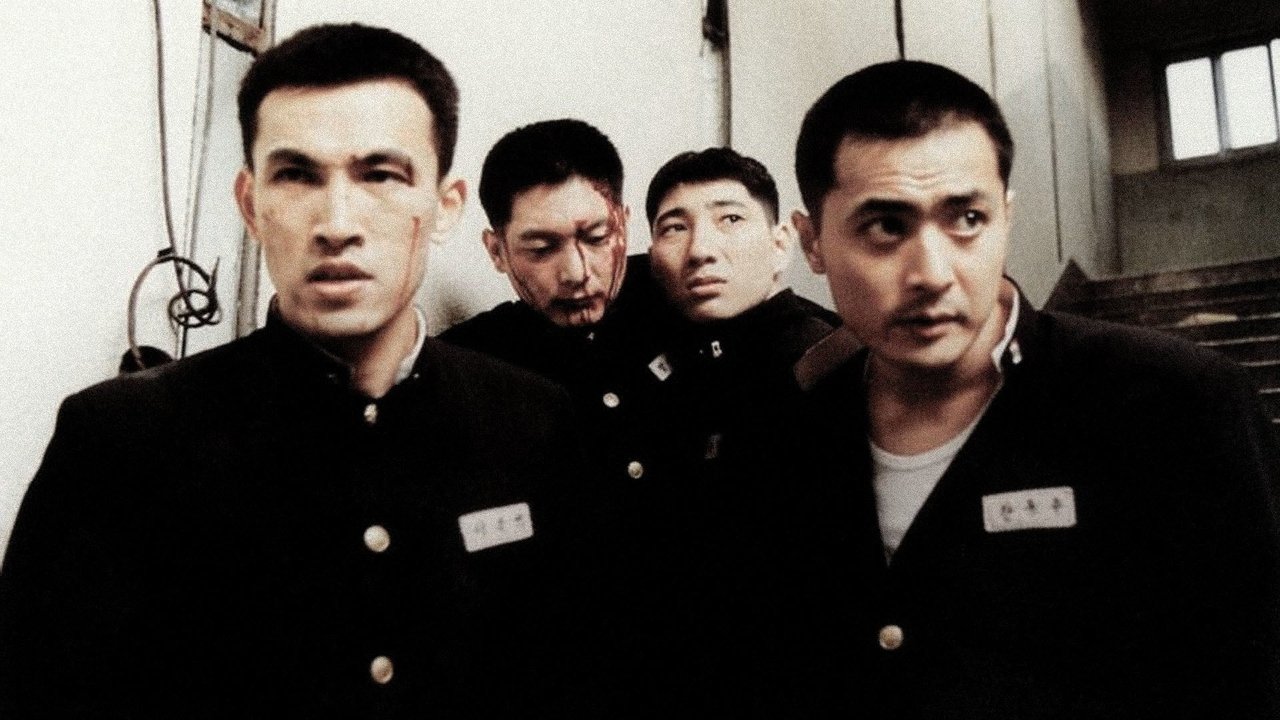
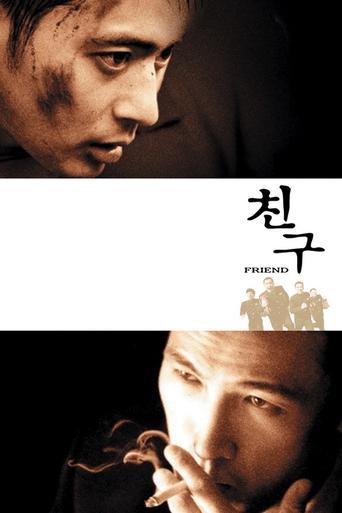
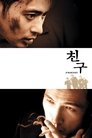
Lee Eun-joo's first screen appearance came in Friend, a 2001 movie. Under the direction of Kwak Kyung-taek, the picture became a nationwide sensation, pulling in massive crowds and shaping how the gangster genre would be handled in Korean film. Its tale of childhood bonds strained by very different life choices struck a powerful chord with local audiences.
Within the film, Lee Eun-joo portrayed a character named Sin-ae. Though the part was not a leading one, it placed her inside a cast of a production that dominated box-office talk that year. As debuts go, few could ask for a bigger stage: the film's popularity ensured her very first screen work reached an enormous national viewership.
Launching a career inside such a high-profile release is rare luck for any newcomer. It linked her name from the start to one of the decade's defining Korean pictures, and that link is still the main reason her name comes up in film conversations and database lookups.
Notable Roles and Projects
The documented feature-film career of Lee Eun-joo covers two movies spread across roughly ten years, both in supporting roles.
Her first and best-known credit is Friend (2001), playing Sin-ae. The picture's lasting standing, along with renewed audience interest in its story world in later years, has kept the title in front of new generations of viewers. Anyone investigating her work should begin here.
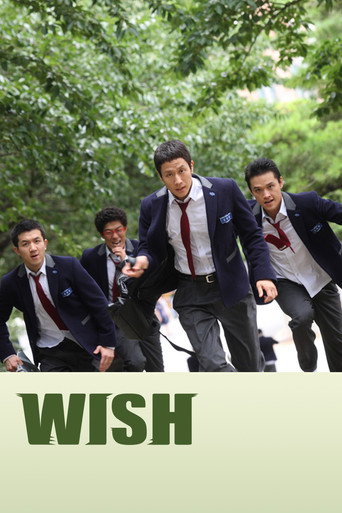
Her second recorded screen role was in Wish (2009), where she was listed as Jjang-gu's sister. Eight years had elapsed since her debut, and once again she occupied a supporting spot in a feature. The long interval between the two credits points to a screen career that was sporadic rather than steady, though available sources do not explain why.
Viewed together, the two pictures frame her recorded output: one made at the peak of the early-2000s Korean boom, the other near the decade's close. Her filmography contains no recorded television work.
Acting Style and Range
Judging Lee Eun-joo's range as a performer from only two documented credits is difficult, and any honest account must admit that. Still, the record does show variety in the kinds of productions she took part in.
Friend sits within the crime and drama tradition, remembered for its emotional force and its blunt portrayal of loyalty and ambition. Wish belongs to a lighter register, and her part there, as the sister of a character called Jjang-gu, hints at a more family-friendly or comedic setting. Shifting between such different tonal worlds indicates some degree of adaptability.
Both were supporting roles, which in Korean film often call for a particular talent: leaving an impression despite limited screen time. Whether she managed that is for audiences to decide, but the shape of her career clearly placed her in the supporting-player tradition rather than among leads.
Awards and Recognition
The available record contains no awards or formal industry honors for Lee Eun-joo. That is common for actors whose screen work consists of supporting parts, and it should not be taken as a verdict on the quality of her performances.
Whatever recognition she has comes from another direction: the enduring reputation of the films she appeared in. Friend in particular is still referenced in discussions of Korean cinema's golden stretch in the early 2000s, and cast members of landmark pictures tend to stay visible simply because the films live on, through streaming services, retrospective screenings, and critical commentary.
For readers expecting a list of trophies or nominations, the straightforward answer is that the public record provides none. Her standing in film history rests on association rather than personal accolades.
Legacy and Where to Start
Lee Eun-joo's screen legacy is small: two films, a debut in a genuine Korean classic and a later supporting credit. For curious viewers, that brevity works in their favor, since her entire documented filmography can be watched in one sitting.
The obvious first stop is Friend (2001). It is the picture that defines her career record, and independently it ranks among the most successful and influential Korean films of its era. Viewing it delivers both a strong film and the backdrop against which her debut happened.
Next, Wish (2009) rounds out the picture. Watching her in a production of a very different tone, eight years on, gives the fullest available impression of her screen presence. The two titles together form a compact but complete account of her time on camera.
For anyone assembling a wider view of Korean cinema in the 2000s, her filmography also works as a helpful thread, linking the era's commercial peak to its later output through the career of a single performer who passed through both.
Frequently asked questions
Who is Lee Eun-joo?
Lee Eun-joo is a South Korean actress recognized for her film work. Her recorded credits include playing Sin-ae in Friend (2001) and Jjang-gu's sister in Wish (2009).
What was Lee Eun-joo's first movie?
Her screen debut was Friend in 2001, in which she portrayed Sin-ae. The film was a major hit in South Korea and is still regarded as a landmark of Korean cinema from that period.
How many films has Lee Eun-joo appeared in?
Per the available filmography, she has two credited movie appearances: Friend (2001) and Wish (2009). No television series work is recorded for her.
Has Lee Eun-joo won any awards?
No awards or formal honors for Lee Eun-joo appear in publicly available records. Her visibility comes chiefly from featuring in well-remembered films rather than from personal accolades.
Which Lee Eun-joo movie should I watch first?
Begin with Friend (2001), her debut and most prominent credit, and a highly regarded Korean film in its own right. Wish (2009) is the other documented title if you wish to see her complete filmography.

Comments (0)
Log in or create a free account to comment, rate and write reviews.