
Not every performer becomes a star, but plenty leave a lasting mark on American screens anyway. John Rayner is one of those faces audiences recognize without necessarily knowing the name. Over a working life that stretched from the mid-1960s all the way to the late 1990s, he turned up in espionage dramas, cop shows, big-budget science fiction and modest independent productions, assembling a resume that still rewards careful viewing.
Who Was John Rayner?
John Rayner worked as an on-camera performer, and nearly all of his recorded output was for the screen. His filmography fits the classic profile of the dependable supporting player: someone who arrives, grounds a scene with credibility, and departs without stealing focus.
His significance comes from volume and consistency rather than headline status. Starting with his first recorded screen work in 1966 and ending with his last listed movie in 1998, he collected seven film roles plus spots on three television series. For devotees of vintage American television, his name appears in several of the era's best-loved genre programs.
Careers like his are valuable precisely because they show how the industry functioned for the majority of performers. Headliners get the promotional artwork; supporting players like Rayner provide the texture that makes a fictional world feel inhabited.
Early Life and Background
Reliable information about Rayner's formative years is scarce. Standard reference sources offer little about when or where he was born, his family, or how he trained, so no claims will be made here beyond what is verifiable.
What is certain is the outline of his working life: he surfaced on screen during the mid-1960s, just as American episodic television was booming, and stayed active in both film and TV for upwards of thirty years.
Getting Started in 1960s Television
Rayner entered the profession in 1966, which was an opportune moment. Network TV was riding a golden wave of action and genre series, and production offices constantly needed versatile actors who could nail a guest part on a tight schedule.
He debuted into exactly that environment, and before long he was juggling multiple series. The apprenticeship of that era meant bit parts, brisk shooting days, and the challenge of registering in just a few minutes of footage. Performers who managed it, as Rayner clearly did, became the familiar faces producers kept calling back.
Early Highlights: Mission: Impossible and The Invaders
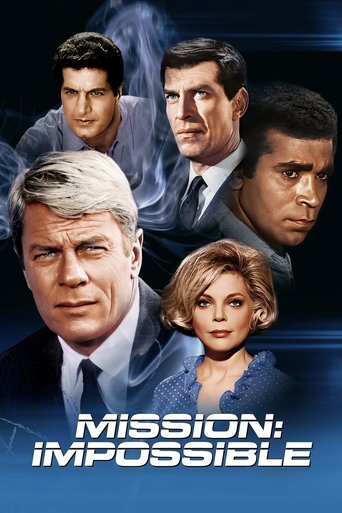
His most prominent early booking was on Mission: Impossible, the trailblazing espionage series that launched in 1966. There he played Capt. Luis Serra, landing him inside one of the decade's most sleek and technically sophisticated programs. The show was celebrated for its intricate capers and cool procedural style, so a guest appearance indicated an actor capable of handling exacting material.
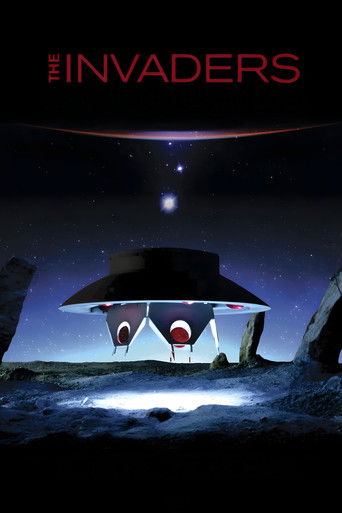
In that same stretch he showed up on The Invaders, the 1967 science-fiction series following a man certain that alien infiltrators live among us, cast as Fred Wilk. The program's mood of paranoia suited performers able to portray everyday people caught in extraordinary circumstances.
Also during 1967, Rayner appeared on the big screen in Countdown as Dunc. Balancing series work with theatrical features so early on foreshadowed the flexibility that would mark his whole career.
The 1970s: Cops, Thrillers and Space Adventures
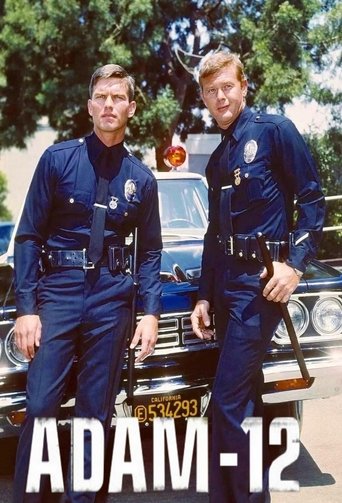
The next decade kept him moving across genres. Back in 1968 he had played Milt on Adam-12, the well-regarded police series praised for its realistic depiction of patrol work, and he brought that same unshowy reliability into the seventies.
His features during the period were eclectic. In 1972 he showed up uncredited as a Hydrex pest controller in Ben, the horror-tinged film best known for its rodent title character. A year later, in 1973, he took the part of an aide to Colton in The President's Plane Is Missing, a political thriller very much in the TV-movie mold of its day.
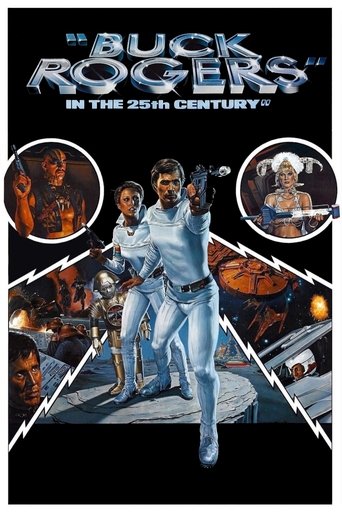
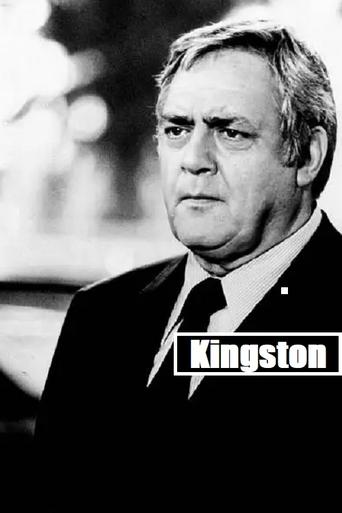
1976 proved especially fruitful, delivering two roles: the Doctor in Trackdown and Kevin James in Kingston. He then finished the decade with a science-fiction contribution, voicing the Computer Council in the 1979 theatrical release Buck Rogers in the 25th Century, proof that his skills covered voice performance alongside on-screen parts.
Final Credits
His last recorded screen job arrived in 1998 with Gunshy, a crime-flavored independent film in which he was cast as a maitre d'. It made for an appropriately understated conclusion: a modest, characterful part rather than a showcase.
The nineteen-year gap separating the 1979 Buck Rogers appearance from the 1998 release reflects a pattern common among supporting performers of his generation, whose credits often bunch together before tapering off. Even so, the full arc of his work, 1966 through 1998, spans over thirty years of American screen history.
Recurring Professional Ties
His credits link him with a circle of directors, writers and actors who operated in the same production sphere. Robert Douglas tops the list with three shared titles, while Robert Butler, Sutton Roley, Robert Day and Robert Hamner each overlap with him on two.
He also worked alongside actor Joseph Campanella more than once, another recognizable figure from the same episodic-television era. Such repeat pairings were standard for the period, when a dependable roster of directors, producers and performers rotated through the same lots and genre projects.
Versatility and Standing
The common thread running through Rayner's credits is adaptability within the character-actor mold. He portrayed a military officer in an espionage series, an ordinary citizen in a paranoid sci-fi drama, a familiar presence on a police show, an exterminator in a horror film, a political aide, a doctor in a western-toned drama, and even a purely vocal presence in a space adventure.
That spread across suspense, science fiction, crime, horror and political drama points to a performer prized for flexibility rather than pigeonholing. Public records offer little in the way of formal awards for Rayner; his standing instead rests on the lasting appeal of the productions he joined, many of which continue to circulate among classic film and television audiences.
Legacy and Viewing Guide
Rayner's enduring contribution lies in the craftsmanship preserved within shows and movies that viewers still find and revisit. Anyone curious about his work should begin with Mission: Impossible (1966), where his Capt. Luis Serra appearance sits inside one of television's most influential spy programs.
The Invaders (1967) makes an excellent follow-up for sixties sci-fi enthusiasts, and Adam-12 (1968) displays him in a grounded procedural mode. Among his films, Countdown (1967) shows him in a theatrical release at the very start of his career, while Buck Rogers in the 25th Century (1979) offers sci-fi fans a curiosity thanks to his vocal turn as the Computer Council. Taken together, these titles sketch the picture of a steady, flexible screen performer.
Frequently asked questions
Who was John Rayner?
John Rayner was an American character actor whose screen career ran from 1966 to 1998. Over that time he took roles in seven films and three television series, among them Mission: Impossible, The Invaders, Adam-12 and the 1979 feature Buck Rogers in the 25th Century.
What was John Rayner's most famous role?
His best-known appearance came as Capt. Luis Serra on Mission: Impossible in 1966, one of American television's signature spy shows. He also played Fred Wilk on The Invaders in 1967.
Did John Rayner appear in any movies?
Yes. His feature credits span Countdown (1967), Ben (1972), The President's Plane Is Missing (1973), Trackdown and Kingston (both 1976), Buck Rogers in the 25th Century (1979), and Gunshy (1998).
When did John Rayner's career begin and end?
His earliest listed screen credit is from 1966, during the peak of the American episodic TV boom, and his last listed appearance is the 1998 film Gunshy, giving him a screen career lasting more than three decades.
Did John Rayner win any awards?
Public records contain little detailed awards information for John Rayner. His reputation rests primarily on his roles in classic genre television and film rather than on any documented formal honors.









Comments (0)
Log in or create a free account to comment, rate and write reviews.