

Few contemporary American entertainers are as instantly identifiable as J.J. Abrams. Over the course of a career that moves easily between the small screen and theatrical releases, he has put his stamp on some of popular culture's most valuable franchises. A New York City native, he rose to prominence crafting stories built around mystery, and later took charge of cherished properties including Star Trek and Star Wars. Anyone interested in the people shaping today's biggest movies should get to know his work.
Early Life and Background
Born on June 27, 1966, in New York City, New York, USA, Jeffrey Jacob Abrams is occasionally listed under his complete name or shortened to Jeffrey Abrams, but the public knows him by his initials.
Aside from these birth details, the biographical information available here is sparse. What is undeniable is the sheer longevity of his working life: his credits run from 1989 all the way to 2026, covering a remarkable number of projects on both film and television.
Television Origins and the Breakthrough Moment
His first recorded credit in this filmography comes from 1989, when he made a voice appearance on The Simpsons, the endlessly long-lived animated series. A decade later, in 1999, he appeared in comparable fashion on Family Guy, a playful habit of showing up in the shows of his day.
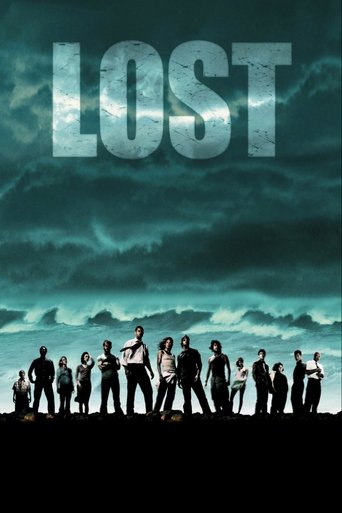
The turning point came with Lost, the drama he created that launched in 2004. The series turned into an international sensation, admired for its serialized enigmas, strong ensemble acting, and film-quality production. More than simply making Abrams famous, Lost changed expectations for what broadcast television could accomplish in the age of ambitious, concept-heavy drama.
A Television Powerhouse Beyond Lost
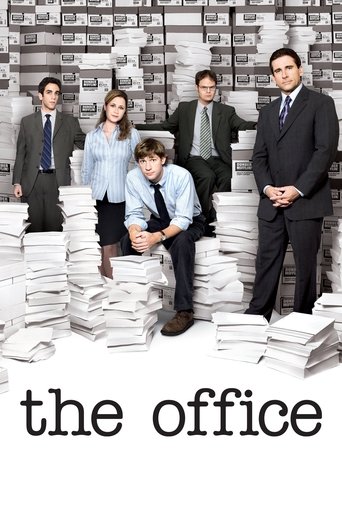
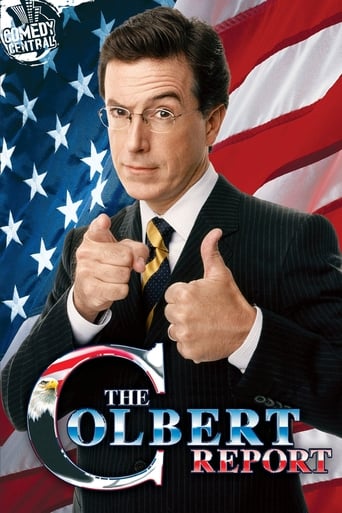
Abrams' small-screen impact hardly ended with Lost. In 2005, he stepped behind the camera for an episode of The Office, the cherished workplace sitcom, proving his skills reached past genre fare. Also in 2005, he appeared as himself on The Colbert Report, evidence of how rapidly he had become a public figure.
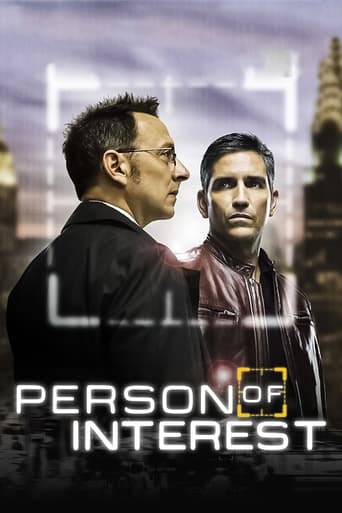
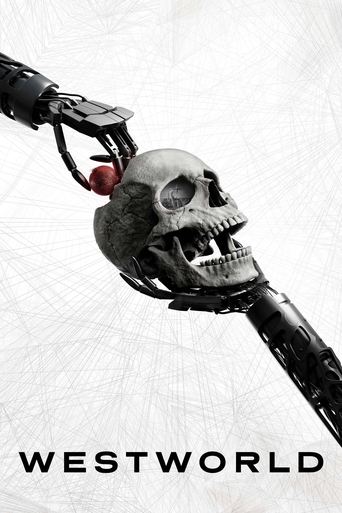
Behind the scenes, his producing and executive producing work covers a striking stretch of series. He served as executive producer on Person of Interest, arriving in 2011, and on Westworld, which premiered in 2016 and carried his appetite for puzzle-like plots into a story of androids and consciousness. Through these efforts, Abrams proved himself a champion of daring serialized television, not merely a director.
Big-Screen Triumphs: Star Trek and Star Wars
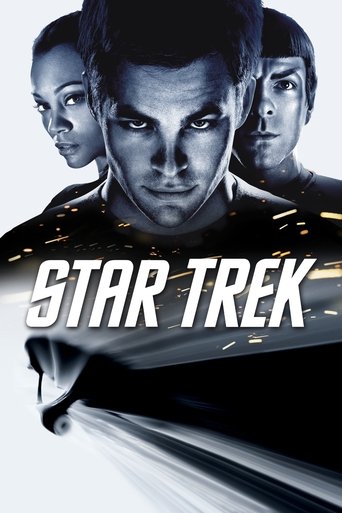
His movie career ascended with 2009's Star Trek, which he directed. The picture gave the classic science fiction series new life for younger audiences, pairing large-scale spectacle with character-focused drama and casting newcomers in legendary parts.
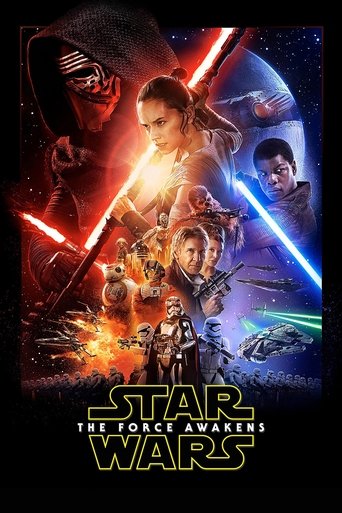
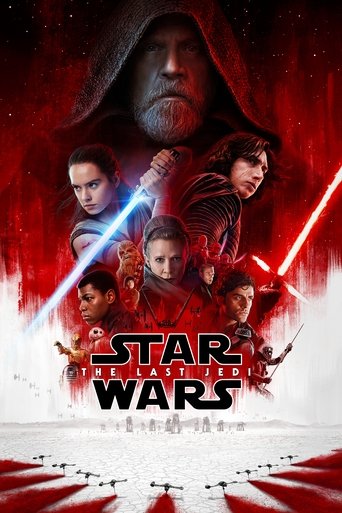
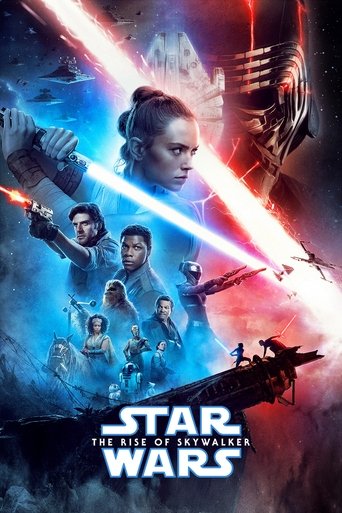
Star Wars came next. Abrams produced Star Wars: The Force Awakens in 2015, the film that brought the saga back to screens, and took an executive producer credit on 2017's Star Wars: The Last Jedi. The chapter concluded with 2019's Star Wars: The Rise of Skywalker, on which he additionally supplied the voice of the droid D-O. Very few directors can say they guided both of science fiction's most legendary franchises.
The Mission: Impossible Years
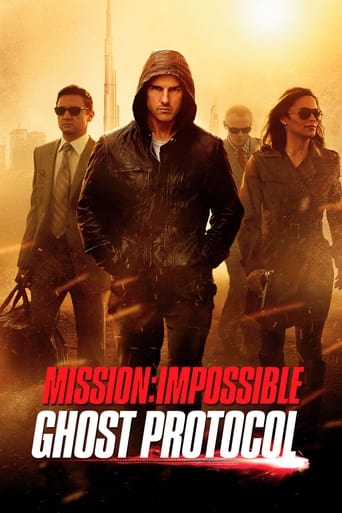
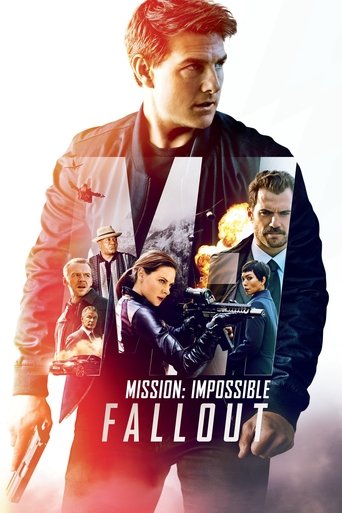
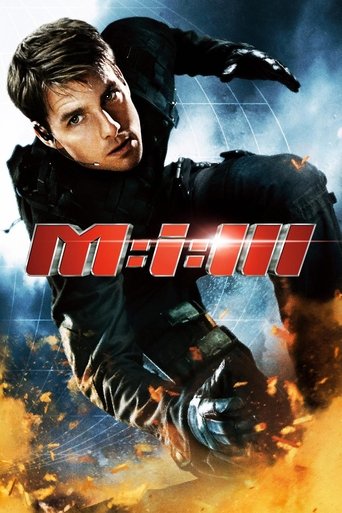
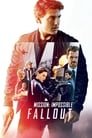
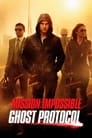
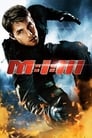
Parallel to his science fiction output, Abrams became an important creative presence in the Mission: Impossible series, producing Mission: Impossible - Ghost Protocol in 2011, Mission: Impossible - Rogue Nation in 2015, and Mission: Impossible - Fallout in 2018.
Those entries are commonly seen as the action franchise at its peak, each one pushing standards higher for real stunts and worldwide set pieces. Through his producing role, Abrams contributed to keeping a long-running spy property fresh and current.
Recurring Creative Partners
A dependable circle of collaborators has followed Abrams across his projects. At the top sits Simon Pegg, with seven shared credits, a relationship touching both his television ties and his science fiction blockbusters.
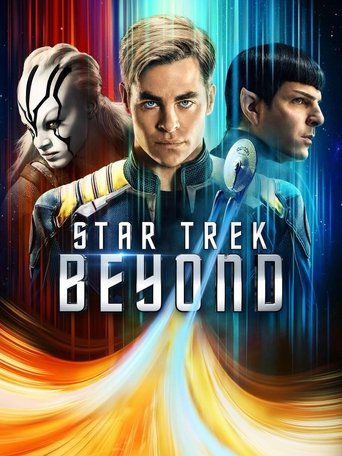
Chris Pine, John Cho, and Zachary Quinto each appear alongside him in four titles, a bond formed by the Star Trek films that cast them as Kirk, Sulu, and Spock. Jack Bender, a director with roots on Lost, likewise shares four credits. Mark Hamill completes the group, his four shared titles tying Abrams to the Star Wars universe he helped carry forward. Such repeated partnerships reflect how highly regarded Abrams is among the people he works with.
Signature Style and Breadth of Work
Several hallmarks define Abrams' creative approach: a fascination with mystery, an affection for genre fiction, and a slick, high-energy visual sensibility. He shifts with ease among comedy, action, drama, and science fiction, and his television output reveals a special gift for large casts and long-running storylines that keep viewers speculating between installments.
Although directing is his headline role, his credits also span voice work, on-camera appearances, and substantial producing. The available records offer little detail on awards, so no complete list of honors appears here; even so, his impact shows plainly in the scale of his output — 33 films and 29 television series.
Current Projects, Lasting Influence, and Starting Points
Abrams shows no signs of slowing down, with credits reaching into 2026 and pointing to work still underway. In recent years he has juggled franchise filmmaking with high-end television producing, remaining at the crossroads of popular entertainment and ambitious genre storytelling.
His place in the industry is already established: he shaped one of the signature TV dramas of the 2000s, breathed new life into two treasured science fiction film series, and steered an action franchise through some of its finest chapters. Newcomers wondering where to begin should try Lost, the show that established his reputation and still stands as a model of serialized mystery. Star Trek from 2009 displays his blockbuster instincts at full strength, while Star Wars: The Force Awakens shows his knack for respecting a legacy while handing it on. To sample his television producing range beyond Lost, Westworld makes an excellent follow-up, and Mission: Impossible - Fallout completes the tour with first-rate action filmmaking.
Frequently asked questions
Who is J.J. Abrams?
J.J. Abrams — born Jeffrey Jacob Abrams in 1966 in New York City — is an American filmmaker whose primary work is directing. He created Lost and has directed and produced major films, among them Star Trek and installments of the Star Wars and Mission: Impossible series.
What is J.J. Abrams best known for?
His reputation rests chiefly on creating Lost (2004), directing Star Trek (2009), and playing a central creative part in Star Wars: The Force Awakens (2015), The Last Jedi (2017), and The Rise of Skywalker (2019), along with the Mission: Impossible pictures.
Did J.J. Abrams work on Star Wars and Star Trek?
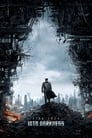
Yes. He directed Star Trek in 2009 and produced Star Trek Into Darkness in 2013. On the Star Wars side, he produced The Force Awakens, executive produced The Last Jedi, and provided the voice of the droid D-O in The Rise of Skywalker.
What TV shows has J.J. Abrams created or produced?
Among his television credits are creating Lost in 2004, directing an episode of The Office in 2005, and executive producing Person of Interest in 2011 and Westworld in 2016, alongside numerous other series.
Who are J.J. Abrams' frequent collaborators?
Among his most regular partners are Simon Pegg, with seven shared credits, together with Jack Bender, Chris Pine, John Cho, Zachary Quinto, and Mark Hamill, each of whom appears with him in four titles across his film and television work.
















































Comments (0)
Log in or create a free account to comment, rate and write reviews.