

Few figures in American cinema followed a path quite like Herbert Ross's. Trained in dance before he ever called action on a film set, he grew into one of the industry's most dependable hands with comedy, drama and movement-driven pictures. From the end of the 1950s through the early 2000s, he coaxed career-defining turns out of his casts and supplied audiences with favorites that continue to find new viewers on home video. Whether translating Neil Simon's one-liners to the big screen or orchestrating the dance-floor defiance of Footloose, Ross applied a dancer's instinct for timing to everything he made.
Early Life and Background
Born May 13, 1927, in the Brooklyn borough of New York City, Ross came of age in a city teeming with artistic opportunity. Details of his upbringing are sparse in the public record, but the environment clearly left its mark.
His early ambitions pointed him toward live performance, and the stage became the proving ground where he developed the craft that would later carry him through Broadway, ballet and feature filmmaking. Those years in front of audiences and behind dance productions informed the way he would run a film set for decades to come.
From the Stage to the Director's Chair
Ross's first professional work was in the theater, where he acted and, more consequentially, choreographed. Dance was his native medium, and arranging movement for the stage taught him how to pace a scene, land a punchline and sustain emotional momentum — abilities that transferred naturally to the camera.
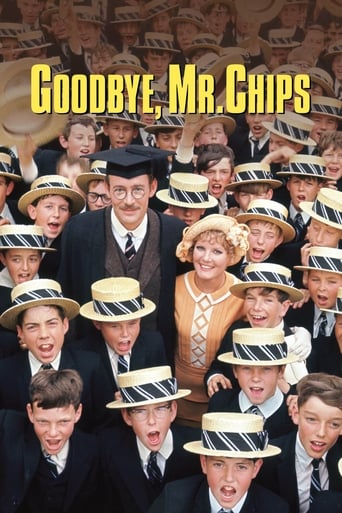
He made his debut as a feature director with 1969's musical Goodbye, Mr. Chips. Choosing a cherished property for a first film was a risk, yet it demonstrated that Ross could manage expansive, heartfelt material. He then moved swiftly into the polished comedies and dramas on which his reputation would rest.
The Breakthrough: The Turning Point
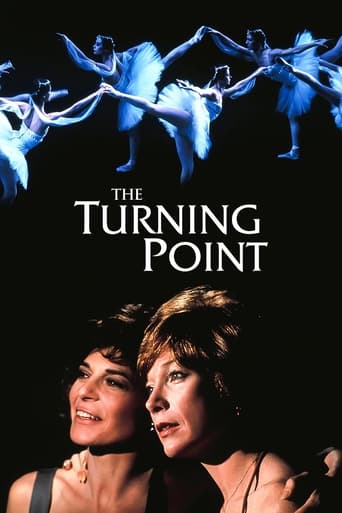
Ross's arrival among the industry's elite came with 1977's The Turning Point. Set in the ballet world he knew firsthand from his choreography days, the picture struck a chord with reviewers and moviegoers and turned into a serious awards-season force.
The director received an Academy Award nomination for Best Director, while the film itself contended for Best Picture. He additionally took home the Golden Globe Award for Best Director for the same movie, as well as a David di Donatello for Best Foreign Director. The accolades proved that a former choreographer could stand shoulder to shoulder with the most lauded filmmakers of his day.
Comedy and Craft Through the 1970s
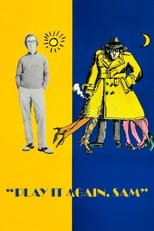
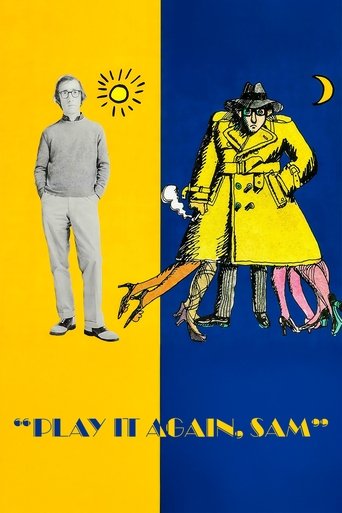
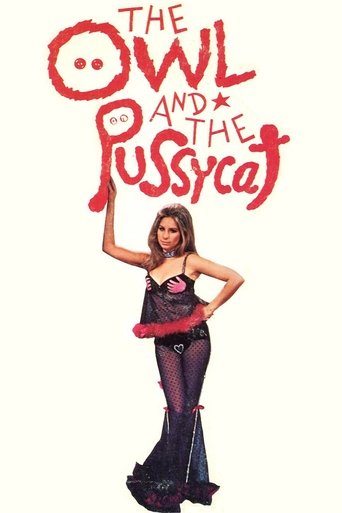
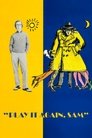
Alongside the acclaim from The Turning Point, Ross was quietly establishing himself as a comedy director of rare polish. He directed The Owl and the Pussycat in 1970 and followed it in 1972 with Play It Again, Sam, bringing Woody Allen's stage material to the screen with a breezy, assured hand.
The middle of the decade supplied two further highlights: the elegant whodunit The Last of Sheila in 1973 and The Seven-Per-Cent Solution in 1976. In 1978 came California Suite, another display of his comfort with ensemble humor and his talent for drawing crisp, laugh-out-loud work from veteran performers.
The 1980s: From Pennies from Heaven to Footloose
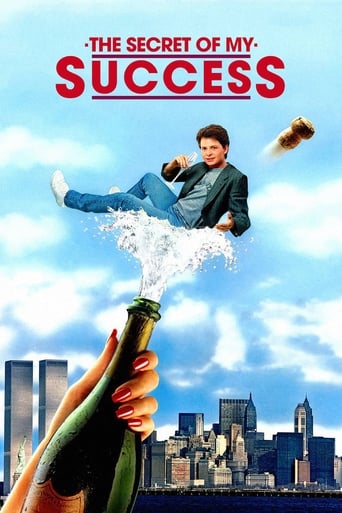
Commercially, the 1980s were Ross's high-visibility years. He began the decade with 1981's Pennies from Heaven, an ambitious, music-steeped venture that circled back to the dance idiom of his early days. In 1987 he revisited ballet with Dancers and also delivered the box-office comedy smash The Secret of My Success.
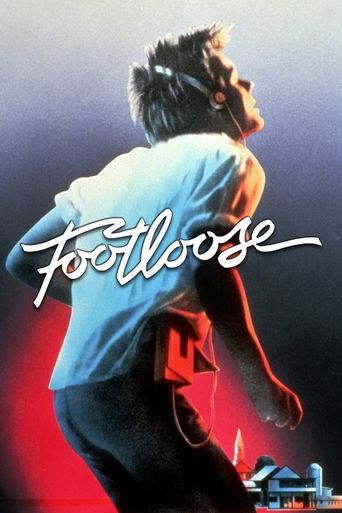
The defining picture of the era, though, was 1984's Footloose. A tale of a town that outlawed dancing, it offered Ross the ideal stage on which to fuse his dual identities as choreographer and storyteller, and it grew into a cultural touchstone whose music and dance numbers still reverberate today. He sustained the momentum with the 1990 comedy My Blue Heaven.
The 1990s and Beyond
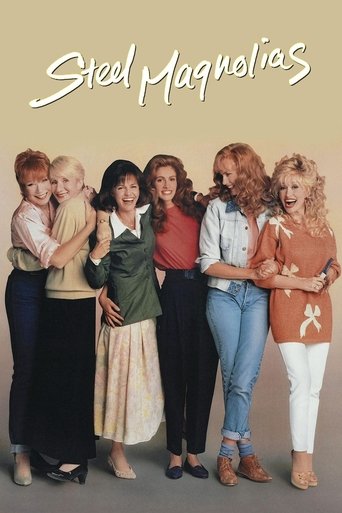
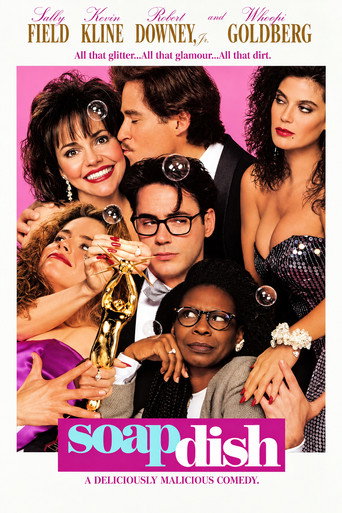
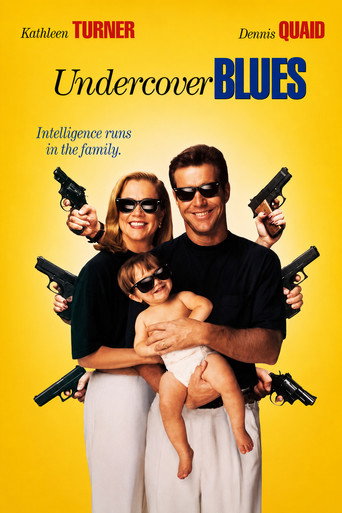
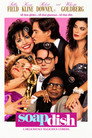
Ross opened the 1990s with Steel Magnolias, which had arrived in 1989 — an ensemble drama that endures as one of the period's most cherished tearjerkers and a favorite among viewers who prize acting over pyrotechnics. In 1991 he took an executive producer credit on the biting entertainment-industry satire Soapdish, and in 1993 he directed the action-comedy Undercover Blues.
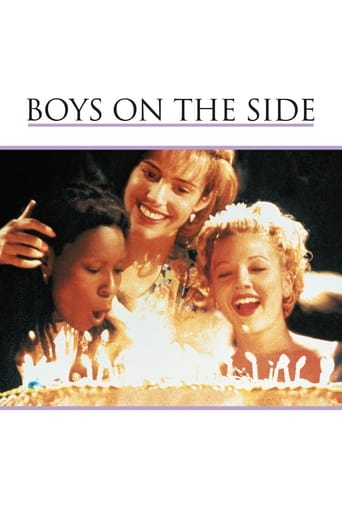
Boys on the Side, released in 1995, marked his last outing as a feature director — another woman-centered ensemble piece that mirrored the emotional warmth of Steel Magnolias. Although his feature work tapered off afterward, his professional life stretched into the 2000s, with activity recorded as late as 2004 — a run exceeding forty years and close to thirty films.
Collaborators and Creative Style
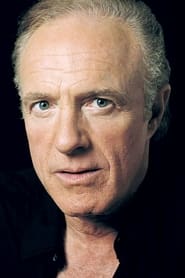
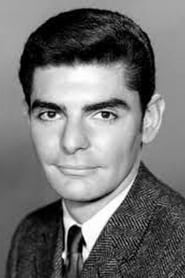
Among all his creative partners, playwright Neil Simon stood above the rest, the two sharing six screen credits. Together they generated some of the sharpest screen comedy of the 1970s, with Ross showing a singular gift for carrying Simon's theatrical cadence onto film without dulling its edge. Actor James Caan and performer-turned-director Richard Benjamin also counted among his repeat colleagues, and scripts by writer Robert Harling supplied two of his most affecting pictures.
Performance was the heart of Ross's approach. Rather than stamping films with a showy visual style, he built the framework that let actors excel, arranging scenes with a choreographer's feel for rhythm and continuity. His range across genres was strikingly broad — musicals, ballet dramas, farce, mystery, romantic comedy and ensemble tearjerkers all sat comfortably within his wheelhouse.
Awards, Legacy and Where to Start
Among his recognitions are Oscar nominations for both Best Director and Best Picture, each tied to The Turning Point, along with a Golden Globe victory as Best Director for that same film. He also collected a David di Donatello for Best Foreign Director, an American Choreography Award honoring his dance origins, and a National Board of Review Award for Best Film.
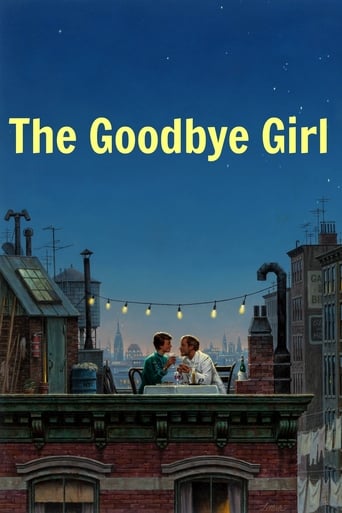
What defines his legacy is how well his films have lasted. Rarely has a director of his era traveled so easily between prestige drama and mainstream comedy while keeping his craft so steady. First-time viewers might begin with Footloose for its pop-culture footprint, Steel Magnolias for his dramatic sensitivity, The Goodbye Girl for his comic pedigree, and The Turning Point for the picture that brought him his greatest honors. Taken together, they map the full breadth of a filmmaker who always let performance lead the way.
Frequently asked questions
Who was Herbert Ross?
Herbert Ross was an American filmmaker and choreographer, born in Brooklyn, New York, in 1927. His directing credits include Footloose, Steel Magnolias, The Goodbye Girl and The Turning Point, and he passed away in 2001.
What is Herbert Ross best known for?
He is most closely associated with Footloose and Steel Magnolias, along with his Oscar-nominated The Turning Point and his numerous screen versions of Neil Simon's comedies.
Did Herbert Ross win an Oscar?
No Academy Award came his way, though he was nominated in both the Best Director and Best Picture categories for The Turning Point. He did, however, claim the Golden Globe for Best Director on that film.
How many films did Herbert Ross direct?
Across a career running from 1958 to 2004, he was involved with roughly 29 films, starting in theater and dance before debuting as a feature director with Goodbye, Mr. Chips.
Which Herbert Ross movie should I watch first?
Footloose is the easiest gateway and his most culturally significant title. To see his full range afterward, try Steel Magnolias, The Goodbye Girl or The Turning Point.



























Comments (0)
Log in or create a free account to comment, rate and write reviews.