

Gordon Griffith, occasionally billed as Gordon S. Griffith, holds a distinctive place in the story of American cinema. A Chicago native born in 1907, he stepped in front of the camera while still very young, just as motion pictures were becoming an industry, and by the time he reached adolescence he was already an experienced screen veteran. His path from Keystone-style comedy shorts to silent features and finally to talking-picture westerns mirrors the growth and transformation of Hollywood itself.
Early Life and Background
Griffith entered the world on July 4, 1907, in Chicago, Illinois. Arriving on Independence Day seemed an appropriately dramatic beginning for a child whose upbringing would unfold on film lots rather than in ordinary schoolrooms.
Little is documented about his parents or home life, but one thing is beyond doubt: he joined the movie business at an exceptionally tender age, making him part of the first wave of children ever to work as film performers in America.
His hometown mattered, too. In the early 1910s Chicago was a real center of film production, and it was in that city, before the industry migrated west to California, that the movies first claimed him.
Career Beginnings in the Silent Short Era
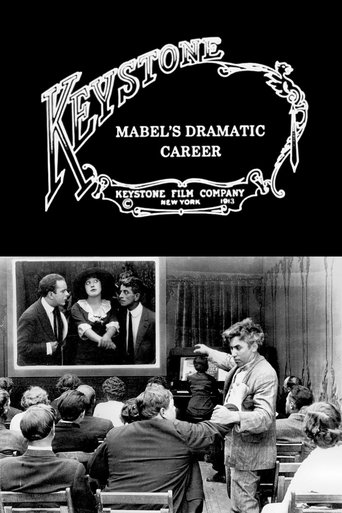
His first recorded screen work came in 1913, appearing as a boy in "Mabel's Dramatic Career." What followed in 1914 was his most prolific year to date, cementing his reputation as a dependable young face in the rapid-fire world of one-reel comedy.
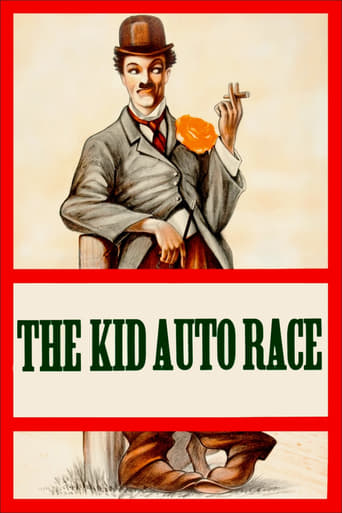
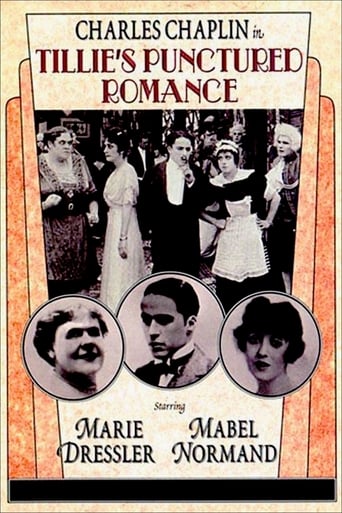
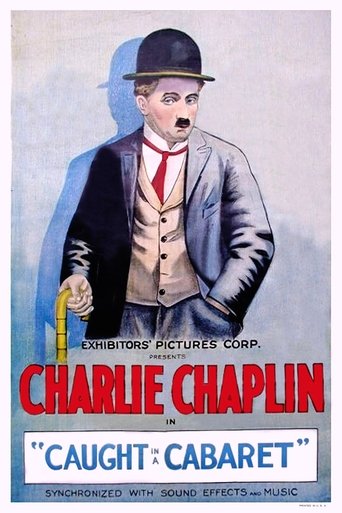
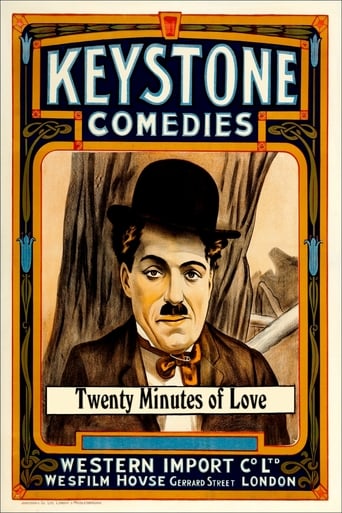
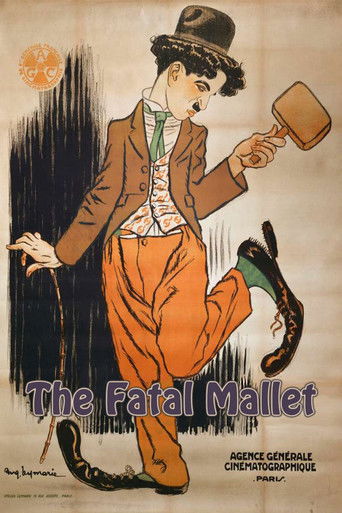
Across 1914 he turned up in a series of shorts: "Kid Auto Races at Venice," cast as an uncredited boy; "Tillie's Punctured Romance," playing a newsboy; "Caught in a Cabaret," as a boy in a park; "Twenty Minutes of Love," as a boy; "The Star Boarder," as the landlady's son; and "The Fatal Mallet," once more as a boy. Most of these parts were tiny and frequently went unbilled, the usual lot for child performers of that era, yet the sheer quantity of assignments reveals how sought-after he was.
The shorts themselves were weekly slapstick fare, and surviving in them demanded comic timing, courage, and the wits to steer clear of the mayhem. Griffith evidently possessed these qualities in abundance, since the offers never stopped.
Breakthrough: Young Tarzan
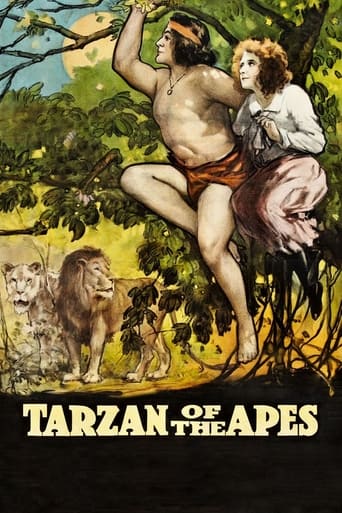
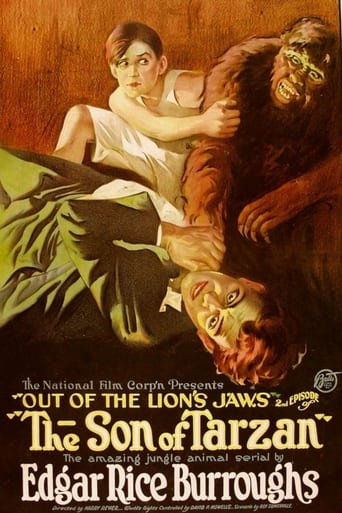
What truly distinguishes Griffith from most peers of his generation arrived in 1918, when he portrayed the youthful Tarzan in "Tarzan of the Apes." At roughly eleven years old, he landed a sizable and unforgettable role in a major adaptation of Edgar Rice Burroughs' celebrated creation.
Embodying the ape man as a boy demanded skills quite unlike those needed for the comedies of his early years: physical agility, screen presence, and the capacity to sustain dramatic moments with little or no spoken word. He rose to the occasion, and that performance endures as the defining marker of his career among film scholars and Tarzan devotees.
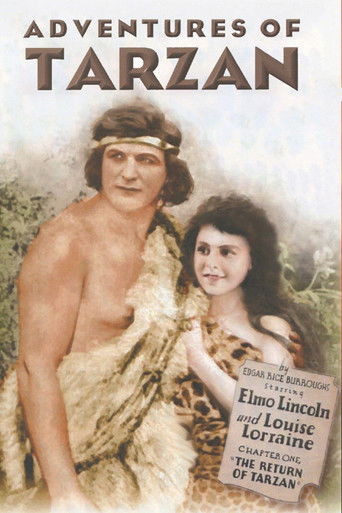
Three years on, he went back to the jungle in "The Adventures of Tarzan" (1921), deepening his link to what would become one of the medium's most lasting franchises. For countless early moviegoers, his was the first face ever connected with Tarzan on film.
The 1920s: Juvenile Leads and Featured Roles
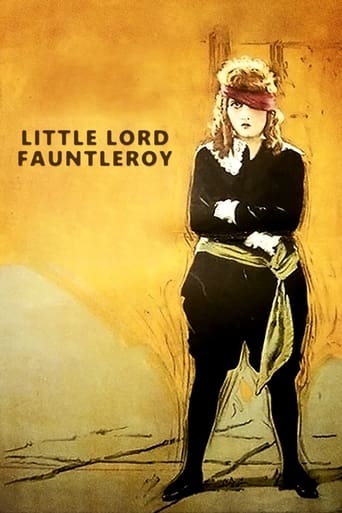
With age came better parts. In 1921 he showed up in "Little Lord Fauntleroy" in a minor, unbilled turn as a boy stealing grapes, proof that even seasoned child performers still accepted bit parts in prestige pictures.
Momentum built in 1922 with "Penrod," where he took the role of Sam Williams, a key figure in the cherished tale of boyhood. Further substantial work followed, and in 1924 he appeared as Ted Weller in "The Street of Tears," a dramatic opportunity suited to a performer moving beyond early childhood.
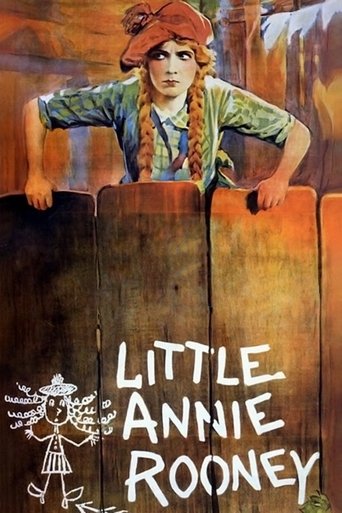
Then in 1925 came "Little Annie Rooney," in which he played Tim Rooney opposite one of the silent screen's most celebrated stars. Taken together, these roles reveal his versatility across comedy, adventure, and melodrama during silent cinema's golden stretch.
The 1930s: Sound Films and Westerns
Griffith, unlike many of his silent-era colleagues, successfully transitioned into talking pictures. By the middle of the 1930s, though, the youngster of the 1910s had become a full-grown man, and the parts offered to him shifted accordingly.
He appeared in 1935's "Gun Play" as the henchman Mark, a supporting role in a western, and followed it in 1936 with the part of Grant in "Outlaws of the Range," another entry in the genre. His screen work drew to a close around 1937, ending a run that had stretched back nearly twenty-five years.
That trajectory, from anonymous newsboy to villain's henchman in sound westerns, is genuinely striking. Hardly any performer who began as a small child in the early 1910s was still appearing in features two decades later.
Collaborators and Working Relationships
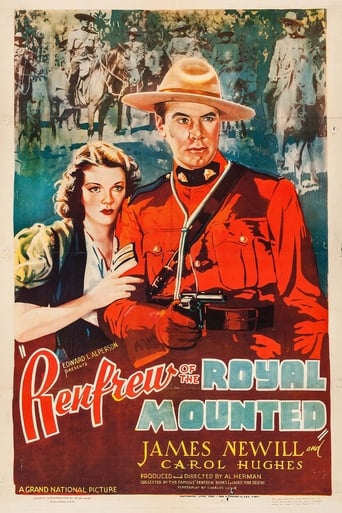
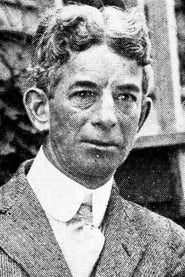
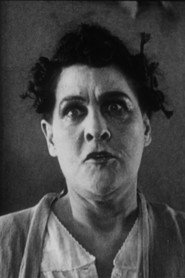
A look at his credits reveals a dense network of repeated professional partnerships. Albert Herman, a director and filmmaker, was his most common associate, the pair sharing seven titles. Fellow child actor Billy Jacobs appeared with him in six productions, and actress Minta Durfee matched that count with six.
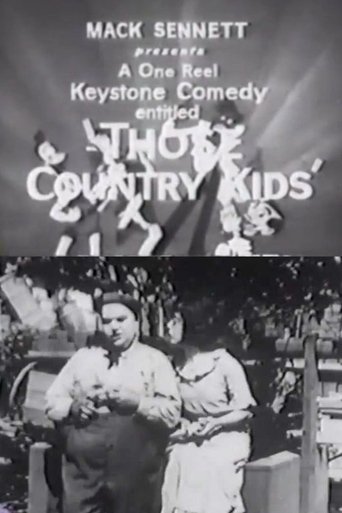
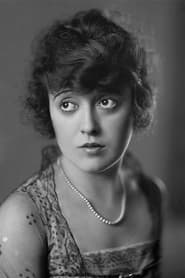
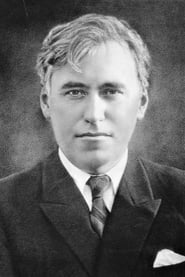
Comedy headliner Mabel Normand, who shared five titles with him including his 1913 debut, along with actor-director Charles Avery, also at five, were central figures of his early career. Completing the roster is producer and comedy pioneer Mack Sennett, the power behind the Keystone-style shorts Griffith worked in, with three shared titles.
Such connections illustrate how the young film business functioned: compact, close-knit teams of actors and makers who collaborated continuously, producing shorts at a relentless clip.
Style, Range, and Recognition
Griffith's work covered comedy, adventure, drama, and the western. As a boy he was ideally suited to the roughhouse slapstick of the 1913-1914 short comedies, where kids typically played onlookers, troublemakers, or comic targets. Growing older, he proved capable of serious material, whether the jungle survival stories of the Tarzan pictures, the affectionate boyhood narratives of the early 1920s, or the weepy "The Street of Tears."
Once sound arrived, he remade himself as a supporting player in genre westerns, accepting rougher, less prominent parts such as henchmen. That readiness to accept lower billing and stay employed reflects a professionalism worth admiring.
Records of any specific awards or formal tributes to Griffith are scarce, which is hardly surprising since his prime years came before most of the industry's prize machinery existed. Today his recognition rests chiefly with film historians and silent-cinema enthusiasts, who honor his pioneering childhood career and his link to the first screen Tarzan.
Legacy and Where to Start
Griffith passed away on October 12, 1958, at 51, ending a life bound to the movies from childhood onward. Across his screen years he amassed dozens of film appearances, with his documented output running from 1913 through 1937.
His standing in film history rests on two foundations: being among the very first child actors in American movies, and his performances as the young Tarzan, which gave one of fiction's most iconic figures one of its earliest screen faces. Anyone drawn to Hollywood's infancy will find his filmography a doorway into a lost era of one-reel comedies, serial-flavored adventure, and rapidly changing storytelling technique.
For first-time viewers, a logical route begins with "Kid Auto Races at Venice" (1914) to witness his debut-era work, proceeds to "Tarzan of the Apes" (1918) for his landmark performance, and then continues through "The Adventures of Tarzan" (1921), "Penrod" (1922), and "Little Annie Rooney" (1925). These five films together trace the whole arc of his youth, from slapstick background player to featured juvenile lead.
Frequently asked questions
Who was Gordon Griffith?
Gordon Griffith (1907-1958) was an American actor born in Chicago and counted among the first child performers in the American film industry. He featured in dozens of silent pictures, played the young Tarzan in 1918, and later accepted character roles in 1930s westerns before stepping away from acting around 1937.
What is Gordon Griffith best known for?
He is chiefly remembered for his portrayal of the young Tarzan in "Tarzan of the Apes" (1918) and again in "The Adventures of Tarzan" (1921). He is also noted for his numerous appearances in early 1910s comedy shorts such as "Kid Auto Races at Venice" and "Tillie's Punctured Romance."
When and where was Gordon Griffith born?
He was born on July 4, 1907, in Chicago, Illinois, USA, and died on October 12, 1958, aged 51.
Did Gordon Griffith work in sound films?
Yes. Following his silent-era years, he appeared in sound-era westerns, portraying henchman Mark in "Gun Play" (1935) and Grant in "Outlaws of the Range" (1936). His screen career concluded around 1937.
Who did Gordon Griffith frequently work with?
Among his most regular collaborators were Albert Herman, sharing seven titles, along with Billy Jacobs and Minta Durfee at six apiece, Mabel Normand and Charles Avery with five each, and Mack Sennett with three.

















Comments (0)
Log in or create a free account to comment, rate and write reviews.