

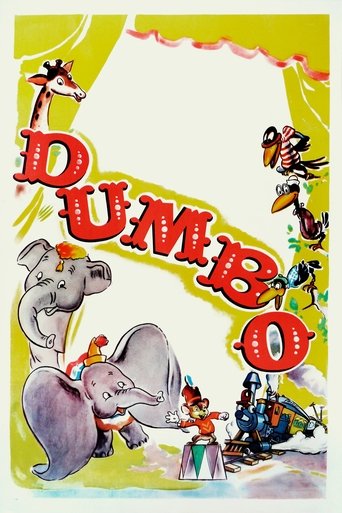
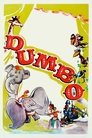
Plenty of performers rely on their looks; Edward Brophy made his living with his voice and his comic instincts. Short, stocky, and thinning on top, he delivered lines in a gravelly bark that made him instantly identifiable across more than three decades of Hollywood pictures, usually cast as a fast-mouthed crook, a not-too-bright policeman, or a noisy henchman. Today he is best remembered for a performance audiences never saw on screen: the voice of Timothy Q. Mouse, the fearless little champion of Disney's 1941 Dumbo.
Early Life and Background
Brophy entered the world on February 26, 1895, in New York City. Little is documented about his early years, but being raised in New York at the turn of the century plausibly fed the street-smart, big-city manner that later defined his screen work.
That urban flavor stuck with him throughout his career. Playing a thug, a beat cop, or a saloon habitué, he radiated the brash, talkative spirit of a city native, and his persona was so consistent that moviegoers could identify him almost immediately, even in uncredited bits.
Career Beginnings and Screen Debut
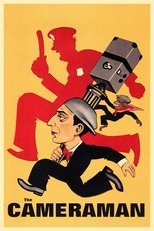
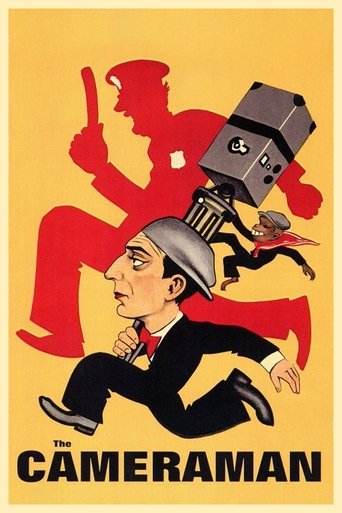
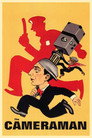
He first appeared on film near the end of the silent period, debuting in Yes or No, with his earliest credited work dating to 1927. A year later he turned up in The Cameraman opposite Buster Keaton, taking the small, uncredited part of the man in the bathhouse stall in one of silent comedy's landmarks.
Silent filmmaking forced performers to communicate through gesture and expression, and Brophy mastered physical comedy before sound ever arrived. Once talkies came in, his rough, nasal voice — a liability for a romantic lead — proved to be exactly what character roles demanded, and it became his greatest professional asset.
Breakthrough and the 1930s
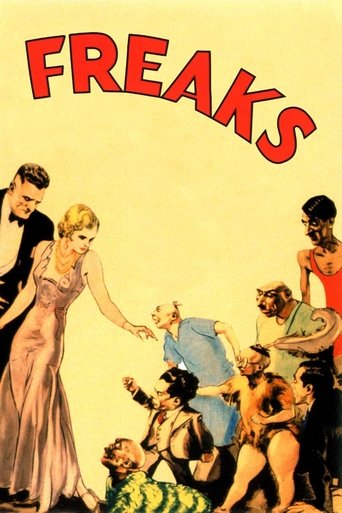
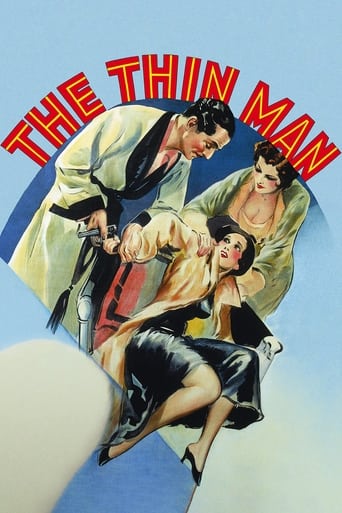
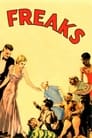
During the 1930s Brophy settled into his place as a dependable Hollywood supporting player. In 1932 he took the part of Rollo Brother in Tod Browning's Freaks, one of the era's most notorious and debated pictures. He followed that in 1934 with the role of Joe Morelli in The Thin Man, the William Powell and Myrna Loy detective hit, which tied him to one of MGM's signature franchises.
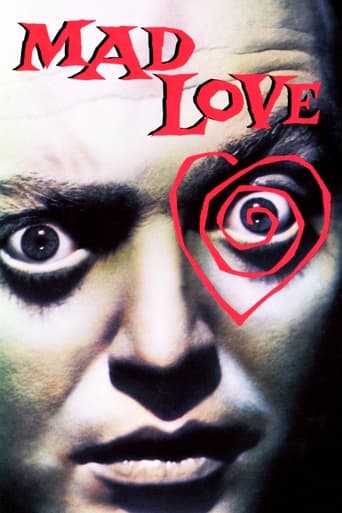
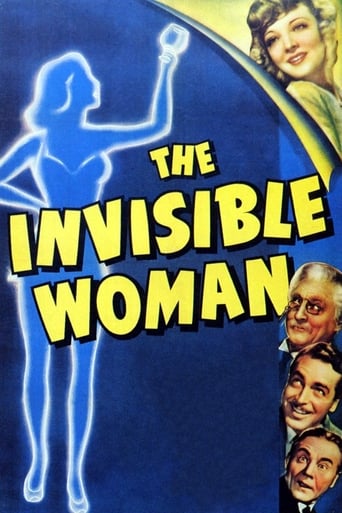
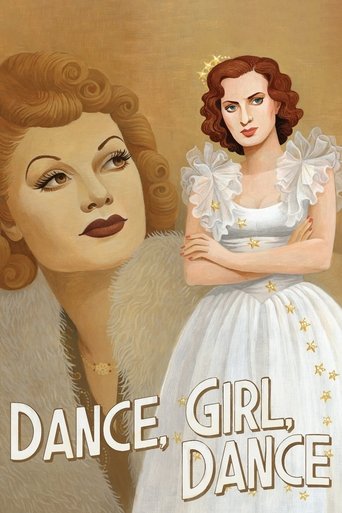
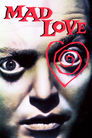
He stayed busy in every genre. 1935 brought him two prominent assignments: as 'Slugs' Martin in The Whole Town's Talking, sharing the screen with Edward G. Robinson, and as Rollo in Mad Love, a stylized horror picture. In 1940 he appeared as Dwarfie in Dance, Girl, Dance and as Bill in The Invisible Woman, demonstrating equal comfort in backstage drama and screwball fantasy.
The pattern was clear: Brophy almost never headlined a picture, yet his presence reliably made any film more animated. Producers understood that even a single Brophy scene could lift a routine production.
The Voice of Timothy Q. Mouse
1941 brought the role modern audiences associate with him most: Timothy Q. Mouse in Disney's Dumbo. Like most voice performers of the period, he received no screen credit, but his contribution is unmistakable. Timothy is the cocky, warm-hearted mouse who stands up for the ridiculed baby elephant, and Brophy's rapid-fire, street-smart delivery supplies both the character's swagger and his heart.
The casting was inspired. The same raspy patter that had driven dozens of gangster and comedy parts was repurposed by Disney for one of animation's most cherished figures. Every new audience that watches Dumbo encounters Brophy's performance, whether or not they ever learn his name.
The 1940s: Wartime and Postwar Roles
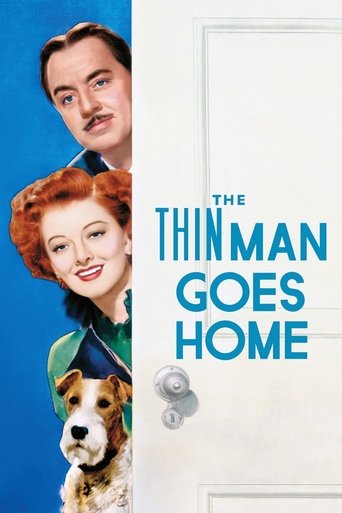
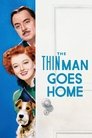
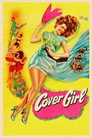
Work remained steady for Brophy through the 1940s. In 1942 he was cast as Joe Denning in All Through the Night, a wartime thriller involving Nazi scheming in New York. He revisited the Thin Man world in 1944 as Brogan in The Thin Man Goes Home, and that same year showed up uncredited as Joe, a bartender, in Cover Girl, the glossy Rita Hayworth musical.
In 1947 he played Gates Patrolman Cecil Felton in It Happened on Fifth Avenue, a cozy holiday comedy, once again embodying the friendly man-in-uniform that had become his specialty.
The 1950s: Television and Final Films
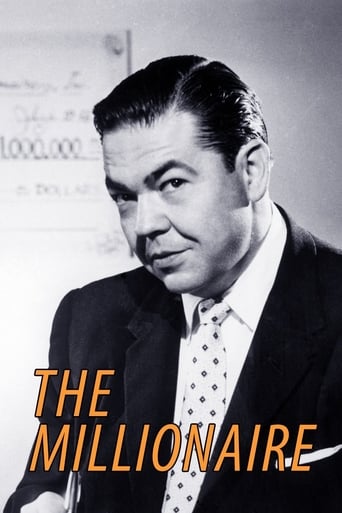
With the studio era winding down, Brophy adapted by taking television work. He appeared in the series Mr. & Mrs. North in 1952 and played Preliminary Feeney on The Millionaire in 1955, a hit anthology program of the period.
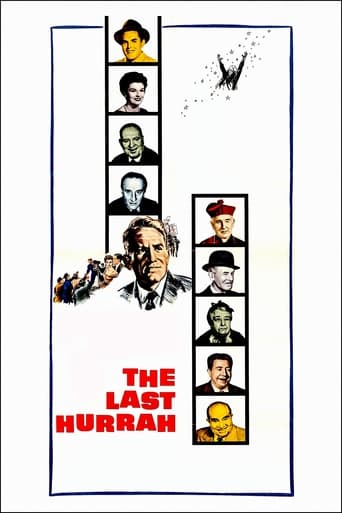
He kept making movies too. His 1958 turn as Ditto Boland in The Last Hurrah, John Ford's story of a last political campaign, stands among his most admired late performances. Ford prized character players who could lend a film texture and authenticity, and Brophy's seasoned, warm-hearted presence suited the material well. His screen career, begun in 1927, lasted until his death in 1960.
Style, Range, and Frequent Collaborators
Brophy's appeal rested on sound as much as look. Small in stature, balding, and equipped with a booming, gravelly voice, he was typecast as dim-witted officers of the law and gangland types, playing both for menace and for comedy. His characters tended to be noisy, often slow on the uptake, and nearly always likable.
Still, his versatility exceeded the stereotype. He handled horror (Mad Love, Freaks), detective comedy (the Thin Man entries), musicals (Cover Girl), animated voice work (Dumbo), and political drama (The Last Hurrah). He also worked repeatedly with a familiar circle of fellow supporting players: John Miljan across seven films, plus Herman Bing, Edward G. Robinson, Sidney Bracey, Ted Healy, and Henry Armetta.
That list reveals his place in the studio system's ecosystem of dependable character actors who gave golden-age films their flavor. His name never figured in awards records, but his reward came differently — decades of continuous employment and a voice that outlasted him.
Legacy and Where to Start
Brophy died on May 27, 1960, ending a screen career of roughly ninety-five films and two television series. His reputation rests on two foundations: the many character bits that brightened Hollywood's golden years, and a single unforgettable animated role. Timothy Q. Mouse endures as a Disney touchstone, and Brophy's voice is central to that endurance.
Newcomers should begin with Dumbo (1941), which remains essential viewing. The Thin Man (1934) captures him in a sparkling detective comedy, while Freaks (1932) offers a strange and compelling chapter of film history. The Last Hurrah (1958) serves as a fitting dramatic send-off, and The Cameraman (1928) shows his silent-era origins working with Buster Keaton.
Frequently asked questions
Who voiced Timothy Q. Mouse in Dumbo?
Edward Brophy, a veteran character actor, supplied the voice of Timothy Q. Mouse in Disney's 1941 Dumbo. The part went uncredited, as was standard for voice work at the time, yet his raspy, rapid delivery is what defines the character.
What was Edward Brophy known for?
He built his reputation playing comic policemen and gangsters in Hollywood pictures from the late 1920s into the 1950s, and most famously for voicing Timothy Q. Mouse in Dumbo. His credits also include The Thin Man, Freaks, and The Last Hurrah.
When and where was Edward Brophy born?
He was born on February 26, 1895, in New York City, New York, and worked in film from 1927 until his death on May 27, 1960.
Did Edward Brophy appear in The Thin Man?
Yes — he was Joe Morelli in The Thin Man (1934) and later played Brogan in The Thin Man Goes Home (1944), making two appearances in the popular detective comedy series.
How many films did Edward Brophy appear in?
Between 1927 and 1960 he accumulated roughly 95 movie credits along with two television series, among them Mr. & Mrs. North and The Millionaire.

















































Comments (0)
Log in or create a free account to comment, rate and write reviews.