
David N. Titcher is an American writer credited on a wide-ranging mix of motion picture and television endeavors. His professional activity runs from the late 1980s into the mid-2010s, encompassing theatrical comedies, family-oriented adventure features, television event films and, in one case, a period mystery he created himself. Anyone drawn to lighthearted, adventurous entertainment on screen has probably encountered something he helped shape.
Early Life and Background
Public sources reveal very little about Titcher's private life. Facts like his date and place of birth are not readily documented, and he has largely stayed out of the spotlight, preferring that his scripts carry his reputation rather than any celebrity image.
What is clear is the outline of his working life: credits spanning 1987 through 2016 across six films and four television series. That lengthy trajectory points to someone who built a career gradually, shifting among comedy writers' rooms, theatrical screenplays and TV movies as chances came along. He occasionally appears under his complete name, David Nathaniel Titcher, though the abbreviated form is attached to most of his prominent work.
Career Beginnings: Sitcom Work in the Late 1980s and Early 1990s
His first on-screen credit came in 1987 with the theatrical comedy Morgan Stewart's Coming Home, on which he served as screenwriter. Breaking in via a cinema release is an unusual entry point, and it established a pattern of alternating between movies and television.
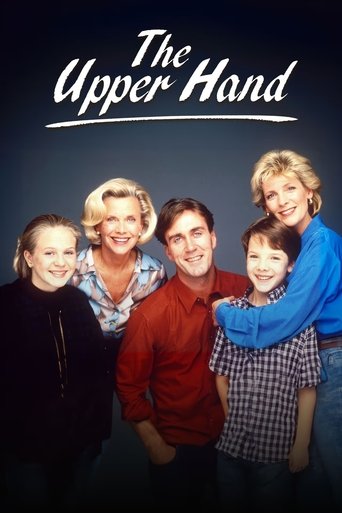
Small-screen assignments followed shortly. In 1990 he wrote for The Upper Hand, a sitcom produced jointly by British and American interests, giving him experience in multi-camera comedy. Three years later, in 1993, he penned material for Bonkers, an American program combining live-action footage with animation and pitched at children. These early comedy and family assignments sharpened the breezy, approachable humor that would characterize his later adventure scripts.
The Breakthrough: Adventure Writing in 2004
2004 stands out as a turning point, delivering two prominent releases in a single year that together constituted his breakthrough.
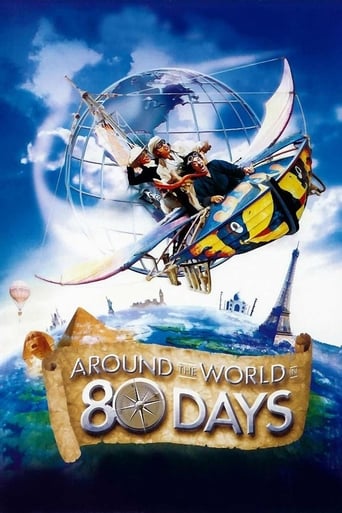
One was Around the World in 80 Days, a lavish comic adventure loosely based on Jules Verne's beloved novel, carrying his screenplay credit. Its mixture of worldwide spectacle and broad humor matched his established skills well. The other, and perhaps the more lasting, was The Librarian: Quest for the Spear, a TV movie he wrote that became the seed of a beloved franchise. Its concept—a bookish protagonist pulled into a hidden realm of artifacts and worldwide expeditions—struck a chord of playful adventure with viewers and laid the groundwork for subsequent installments.
Notable Roles and Projects, Decade by Decade
During the 1980s, his career opened with Morgan Stewart's Coming Home in 1987, a family comedy screenplay marking his feature debut. Television came next, with writing contributions to The Upper Hand in 1990 and Bonkers in 1993, the latter mixing live action with animation for young audiences.
The 2000s brought his greatest visibility. Both Around the World in 80 Days and The Librarian: Quest for the Spear premiered in 2004, and in 2006 came The Curse of King Tut's Tomb, an adventure for which he holds writing credit and which appears in records as both a film and a television presentation, a reflection of its event-style distribution. It extended his interest in archaeological enigmas and vintage pulp storytelling.
The 2010s saw him pivot to softer seasonal material with Be My Valentine in 2013, a romantic TV movie, then step into series creation. Houdini & Doyle, which launched in 2016, gave him creator status on a historical mystery centered on the genuine friendship between escapologist Harry Houdini and author Arthur Conan Doyle, who jointly probed claims of the supernatural. His credits also include Second Variety, a movie for which he is named as a writer, though information about its release remains sparse.
Creative Style and Range Across Genres
A love of escapist, good-natured comedy defines Titcher's output. His signature projects favor adventure plots delivered with a wink—treasure chases, mythical relics, journeys against the odds, and protagonists whose intelligence outweighs their brawn. The Librarian films especially set a pattern of knowing, family-safe adventure that embraced pulp conventions warmly rather than mocking them.
Still, his versatility goes beyond adventure. Writing for The Upper Hand and Bonkers demonstrates a grounding in character-driven comedy and youth-oriented material, while Be My Valentine shows ease with the softer pacing of TV romance. Houdini & Doyle took him into historical mystery, weaving real personalities together with investigative plots and hints of the paranormal. The common thread throughout is broad appeal: scripts crafted to amuse general audiences without resorting to cynicism.
Awards and Recognition
Publicly accessible records offer little detail on any awards or formal nominations Titcher may have received. His reputation rests chiefly on the endurance and popularity of his titles rather than on a documented list of honors.
The strongest evidence of his standing lies in how long his creations have lasted. The Librarian concept he originated proved sturdy enough to generate several sequels and eventually a spin-off series—a rare feat for a television movie. Houdini & Doyle similarly reflected a network's faith in his capacity to lead a show as its creator. For a behind-the-scenes writer rather than a public figure, that institutional confidence amounts to significant recognition in its own right.
Recent and Upcoming Work
Houdini & Doyle, which debuted in 2016, is the most recent dated credit in the available record and closes out his documented filmography. The show marked an important career milestone: it was the first listed project on which he was credited as a creator instead of purely as a hired writer.
Nothing newer appears in the available data, and given his low public visibility, any activity after 2016 is not recorded here. Those seeking current news will find authoritative information hard to come by, a common situation for writers who operate largely off-camera.
Legacy and Where to Start
Titcher's lasting contribution lies in a particular and worthwhile niche: intelligent, humorous adventure made for general audiences. He helped establish the tone of a franchise that transformed a librarian into an action figure, added to an opulent comedic rendition of a Verne classic, and devised a mystery series around one of history's most fascinating friendships.
For newcomers, a practical viewing order might be: first, The Librarian: Quest for the Spear (2004), the clearest showcase of his adventure instincts and the root of a franchise; second, Around the World in 80 Days (2004), his large-scale comic spin on Verne; third, The Curse of King Tut's Tomb (2006), a pulp-toned excavation of archaeological legend; and fourth, Houdini & Doyle (2016), to observe his range as a creator of period mystery. Taken together, these titles form a concise introduction to his distinctive voice.
Frequently asked questions
Who is David N. Titcher?
David N. Titcher, occasionally credited as David Nathaniel Titcher, is an American screenwriter and television creator whose career ran from 1987 to 2016, with adventure and comedy credits including The Librarian: Quest for the Spear, Around the World in 80 Days and the series Houdini & Doyle.
What is David N. Titcher best known for?
He is chiefly recognized for writing The Librarian: Quest for the Spear in 2004, the television movie that spawned a popular adventure franchise, and for his screenplay on the comic adventure film Around the World in 80 Days, which premiered the same year.
Did David N. Titcher create Houdini & Doyle?
Yes. Houdini & Doyle, which debuted in 2016, lists Titcher as its creator. It is a period mystery drawing on the real-life friendship between Harry Houdini and Arthur Conan Doyle as they looked into apparently supernatural cases.
What was David N. Titcher's first movie?
His earliest credited feature is Morgan Stewart's Coming Home from 1987, on which he wrote the screenplay. He soon shifted to television, writing for The Upper Hand in 1990 and for the series Bonkers in 1993.
Has David N. Titcher won any awards?
Public sources provide little detail on awards for Titcher. His recognition stems mainly from the enduring appeal of his work, especially The Librarian franchise, which expanded from his original television movie into several sequels and a spin-off series.





Comments (0)
Log in or create a free account to comment, rate and write reviews.