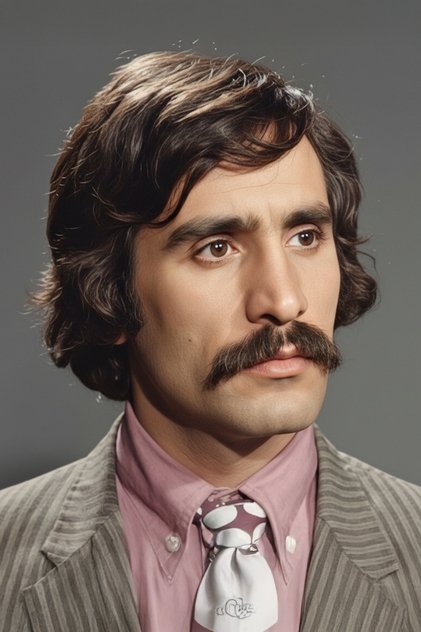
Anyone exploring Turkish movies from the 1970s will eventually come across the name Cango Kemal. He worked during a decade when Istanbul's film studios turned out features at a remarkable clip, and between 1970 and 1978 he accumulated around twenty theatrical credits spanning adventure, crime and drama. Though he never became a household name, his record offers a window into how working actors navigated that fast-paced industry.
Early Life and Background
Little verified information exists about Kemal's life off screen. The reference sources that catalog his film work contain no confirmed date or place of birth, and English-language accounts of his biography are essentially nonexistent.
What is certain is his professional timeline: he surfaced as a working performer right at the start of the 1970s, when Turkey ranked among the world's most productive filmmaking nations. For modern viewers, that industrial context explains more about his career than any personal details could, since it dictated both the roles available to him and the speed of his output.
Career Beginnings and Debut
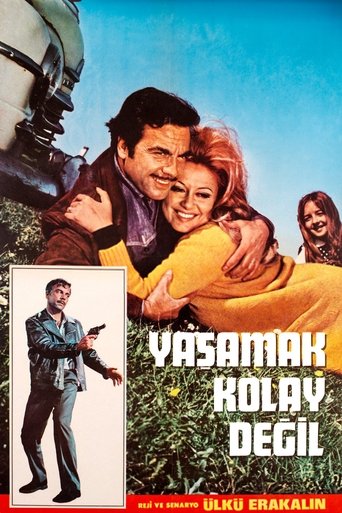
His first documented appearance came in 1970 in Yaşamak Kolay Değil — a title meaning roughly "It Is Not Easy to Live." Opening with dramatic material was a common path for newcomers in Turkish cinema, where performers were expected to manage emotional scenes even if they later specialized in action.
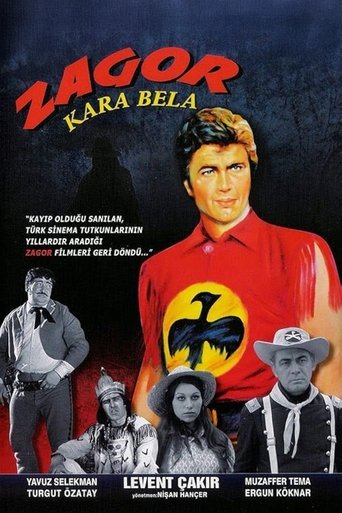
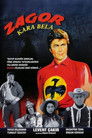
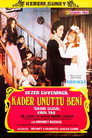
1971 brought a cluster of further credits: Zagor vs. The Dark Menace, Kader Unuttu Beni and Kara Memed, the last of which cast him as a henchman known as Şevket Ağa Adamı. These early parts positioned him on the margins of bigger productions, in an environment where films were shot and released within remarkably short windows.
Breakthrough and the Name Role in Tophaneli Murat
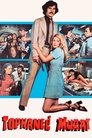
1972 marked a highlight with Tophaneli Murat, in which his character was credited simply as Cango — matching his own screen identity. Nicknames frequently doubled as character names in Turkish genre pictures of the era, and the coincidence here implies the role was shaped around his established persona.
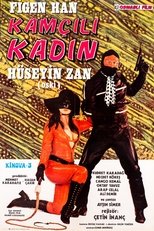
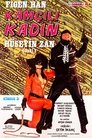
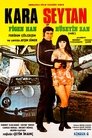
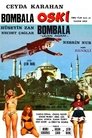
The same year was his most crowded on record: he also featured in the serialized action entries Kinova 2: Kara Şeytan and Kinova 3: Kamçılı Kadın, plus Bombala Oski Bombala. Releasing several films in one year was routine at the time, giving moviegoers repeated opportunities to catch him.
Notable Roles Through the 1970s
Kemal settled into action and adventure during the first half of the decade. After his 1970 debut came the 1971 trio of Zagor vs. The Dark Menace, Kader Unuttu Beni and Kara Memed, then the packed 1972 slate of Tophaneli Murat, both Kinova installments and Bombala Oski Bombala — the sort of fast-moving fare that filled local cinemas.
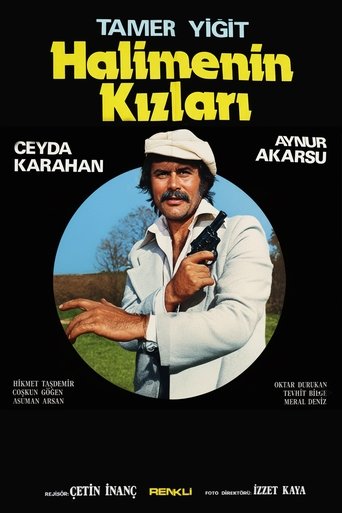
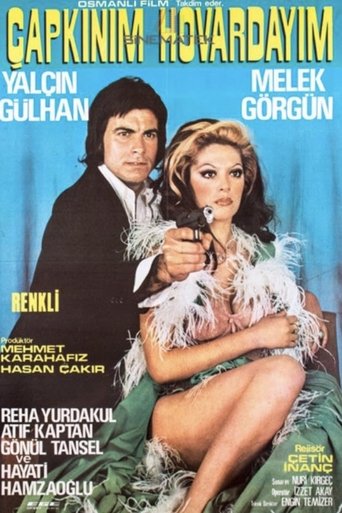
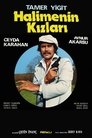
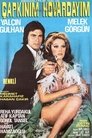
1974 saw him in Maceraya Bayılırım as a character called Fedai, as well as in the action-styled Karaların Ali. His 1975 output showed wider variety: Yaşamak Daha Zor ("Living Is Even Harder"), a thematic companion to his first film, alongside Tolga, the family drama Halime'nin Kızları, and the comedic Çapkınım Hovardayım.
His recorded career ends with Şahit ("Witness") from 1978. As the closing entry in his filmography, it stands out for anyone charting his progression from bit-part genre work toward weightier dramatic roles.
Frequent Collaborators
His credits link him to several familiar names from 1970s Turkish genre film: actor Arzu Okay, director Çetin İnanç and Erol Yeşilyaprak, each of whom shares two titles with him. Such overlaps point to productions that repeatedly drew on the same pool of talent.
İnanç was a significant directing figure in Turkish action cinema, and in an industry dependent on dependable teams to meet punishing deadlines, these ongoing partnerships shaped the character of the action films that fill Kemal's résumé.
Style and Range Across Genres
Viewed in full, his output shows more versatility than the action label implies. Pictures like the Kinova series, Zagor vs. The Dark Menace, Karaların Ali and Maceraya Bayılırım root him in adventure territory, frequently in supporting turns such as the Kara Memed henchman or the Fedai role.
But the start and end points of his career suggest something else. Yaşamak Kolay Değil and its 1975 counterpart Yaşamak Daha Zor are dramas on the hardships of life, Halime'nin Kızları leans toward family melodrama, Çapkınım Hovardayım toward comedy, and the final Şahit hints at more serious fare. Shifting among serial action, melodrama and comedy within a handful of years mirrored an industry that demanded flexibility from its entire cast.
Awards and Recognition
The available records list no awards or nominations for Kemal. That was typical for supporting performers of the period, whose popularity with audiences rarely translated into jury recognition.
His lasting appreciation comes instead from the films themselves. Works such as Tophaneli Murat and Şahit still circulate among collectors and scholars of Turkish popular cinema, and that continued attention keeps his contributions visible without any formal honors.
Legacy and Where to Start
Kemal's screen life was brief but dense: twenty or so features between 1970 and 1978, with no television credits at all. He represents a distinctive type of 1970s Turkish performer — dependable, adaptable, equally at home in genre thrills and quieter dramatic material.
Newcomers might begin with Tophaneli Murat (1972), the film that paired him with a character bearing his own name. Şahit (1978) makes a good follow-up for his later dramatic side, while viewers drawn to his action roots can pick Zagor vs. The Dark Menace (1971) or a Kinova entry such as Kinova 3: Kamçılı Kadın. Finishing with Yaşamak Daha Zor (1975) links the debut drama to its sequel and rounds out a compact tour of his range.
Frequently asked questions
Who is Cango Kemal?
Cango Kemal is a Turkish film actor whose career unfolded during the 1970s. From 1970 through 1978 he took part in approximately twenty features, covering action and adventure alongside dramas like Şahit and the Yaşamak Kolay Değil films.
When and where was Cango Kemal born?
No confirmed birth date or birthplace appears in the widely accessible sources documenting his career. His public identity rests almost wholly on his 1970s screen credits rather than on biographical records.
What was Cango Kemal's first film?
His earliest documented credit is Yaşamak Kolay Değil from 1970. He quickly followed up with several 1971 releases, among them Zagor vs. The Dark Menace, Kader Unuttu Beni and Kara Memed.
Which Cango Kemal film should I watch first?
Tophaneli Murat (1972) is a strong starting choice because his character shares his screen name, Cango. Şahit from 1978 showcases his later dramatic work, and Kinova 3: Kamçılı Kadın from 1972 is the pick for action fans.
Did Cango Kemal work in television?
No. His documented output consists of around twenty theatrical features and zero television series, all produced within the Turkish film industry between 1970 and 1978.
















Comments (0)
Log in or create a free account to comment, rate and write reviews.