Canan Macaroğlu is a Turkish performer credited on a handful of productions from the second half of the 2000s, a stretch when drama series in Turkey were multiplying and reaching ever wider audiences. Although her documented time on screen is limited, it coincided with a period that produced some of the country's most talked-about titles, so her credits form a genuine, if small, thread in that wider fabric.
What Makes Canan Macaroğlu Relevant for Today's Audiences
International viewers catching up on Turkish drama often treat the late 2000s as an overlooked stretch of history. Even before these series turned into a worldwide export business, local productions were already commanding prime-time slots and pulling in huge viewership. Performers who appeared on those shows, even in smaller parts, helped lay the groundwork for everything that followed.
Macaroğlu fits that profile. The record shows two series and a single feature film, all clustered between 2007 and 2009. Anyone mapping the history of acting on Turkish screens, or simply wondering who filled out the ensemble casts of the era, can use her credits as an entry point.
Publicly available coverage of her is also thin. That lack of material reflects the industry of the period: plenty of capable actors passed through television sets without ever building the press footprint that today's leading names enjoy.
Early Life and Background
Sources offer little verified detail about Macaroğlu's upbringing or personal history. What is certain is her Turkish identity and the fact that she began professional screen work in the latter half of the 2000s.
Her birth date, hometown, family and training are not reliably documented, so this profile steers clear of guesswork. Anyone hoping for a complete biography will likely find the paper trail sparse — a familiar situation for supporting players whose working lives were compressed into a few years of television.
First Steps and Television Debut
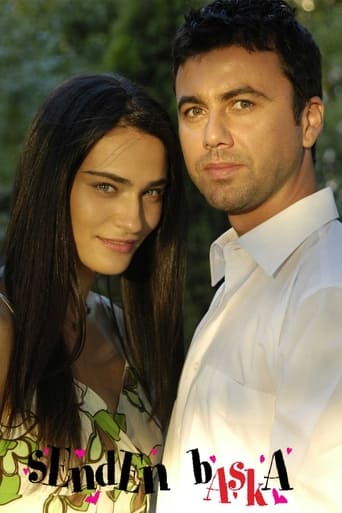
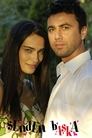
Macaroğlu entered the profession through television. Her earliest listed credit is the 2007 series Senden Başka. For many Turkish actors of her generation, a prime-time drama was the gateway into the business, providing regular employment, visibility before mass audiences and a crash course in serialized storytelling.
Turkish television in those years leaned heavily on family sagas, romance and crime plots, and shows typically carried sprawling ensemble casts. Debuts in that setting meant sharing the screen with seasoned veterans and keeping up with demanding weekly production cycles.
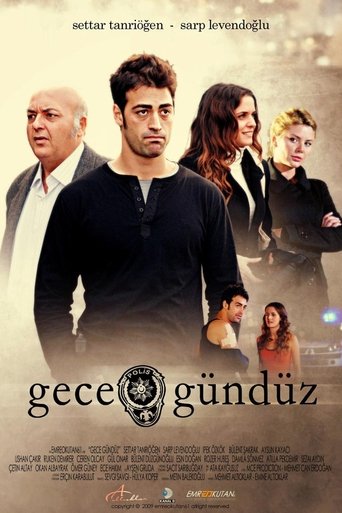
A year later she turned up in a second series, Gece Gündüz, launched in 2008. Back-to-back television credits point to her working steadily as an actress during this stretch, hopping between productions in the standard fashion of the trade.
Cinema Debut: Usta
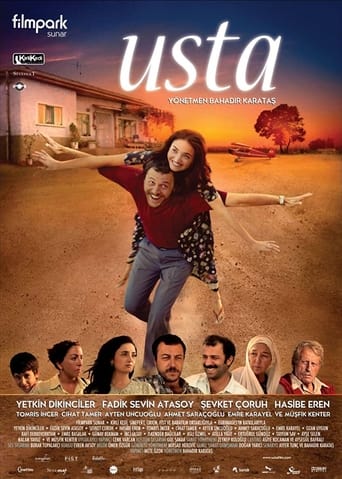
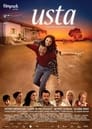
Her lone documented big-screen outing came in 2009 with Usta, where she played Hilal ve Ersun'un Kızı — the daughter of Hilal and Ersun. The character's title itself signals that her part was defined by a family bond within the plot, connecting her to two other named characters rather than making her an independent lead.
Balancing film work with television was a well-worn path for Turkish actors at the time. Cinema demanded a different toolkit — extended takes, tighter shooting windows and another kind of relationship with audiences — and even a secondary film part could widen a performer's experience and profile.
Because Usta remains her only recorded movie, it doubles as a handy reference point for anyone wanting to see her outside the television dramas that frame her known filmography.
Notable Works, Year by Year
Since Macaroğlu's recorded activity sits entirely in the late 2000s, her filmography reads as one compact cluster rather than a list stretched across years.
Senden Başka arrived first, in 2007, marking her television debut. Gece Gündüz followed in 2008 as her second and last documented series. Then came her only feature, Usta, in 2009, in the supporting part described earlier. That adds up to three screen credits — two series and one movie — packed into roughly three years.
A burst of work followed by a quieter record is nothing out of the ordinary in Turkish entertainment, where cast lists from that era were frequently archived poorly and many actors' complete bodies of work are still missing from online databases. The trio of titles above is what reliable records preserve, and they stand as the definitive windows into her career.
Style and Range
With just three credits on file, broad claims about Macaroğlu's artistic range would be guesswork. What the evidence does reveal is adaptability across formats: within one brief window she moved between serialized television drama and feature film, two production styles with very different demands.
Her series work dropped her into the ensemble-heavy world of Turkish television, where supporting players must leave a mark in limited minutes spread across many episodes. Her film role, by contrast, asked her to convey a precise family relationship inside a single self-contained story — a challenge that prizes accuracy over sheer screen time.
Those who seek out these titles can weigh her presence on screen directly, though the thinness of the record makes her broader artistic fingerprint hard to trace.
Recognition and Awards
Widely available sources record no major trophies or nominations for Macaroğlu. That fits a career rooted in supporting television work, where individual honors are uncommon and ensembles rarely collect personal accolades.
Whatever recognition she has comes indirectly: credits tied to a formative stretch of Turkish drama, and to a feature film, carry lasting archival worth even without awards attached. Claims about specific honors beyond this record should be treated skeptically, since the documentation does not back them.
Legacy and Where to Start
Her legacy is best framed as archival rather than star-powered. She belongs to the large pool of performers whose work rounds out our picture of Turkish television and cinema in the late 2000s — an era that international viewers are rediscovering in growing numbers.
For newcomers, a practical viewing order would be: Gece Gündüz (2008), the more recent of her two series and a solid sample of period television; Senden Başka (2007), her debut and a window onto the serialized format of the day; and Usta (2009), the film that shows her in another medium and in her most precisely named part.
Taking in all three in that sequence gives a tidy snapshot of a working actress's late-2000s run — from her first series credit to her last documented screen appearance.
Frequently asked questions
Who is Canan Macaroğlu?
She is a Turkish actress whose recorded work comes from the late 2000s. Her credits include the series Senden Başka (2007) and Gece Gündüz (2008) plus the feature film Usta (2009).
What is Canan Macaroğlu famous for?
She is chiefly linked to her television roles in Senden Başka and Gece Gündüz, and to her part as the daughter of Hilal and Ersun in the 2009 film Usta.
How many films and series has Canan Macaroğlu appeared in?
Available records list three screen credits: two television series (2007 and 2008) and one movie (2009), covering the span from 2007 to 2009.
Has Canan Macaroğlu won any awards?
No wins or nominations appear in widely accessible sources. Her recognition stems mainly from appearing in late-2000s Turkish television and cinema.
What should I watch first if I want to see her work?
Start with Gece Gündüz (2008), then move to her debut series Senden Başka (2007), and finish with the film Usta (2009), in which she plays Hilal and Ersun's daughter.

Comments (0)
Log in or create a free account to comment, rate and write reviews.