

Bruce Bennett, whose given name was Harold Herman Brix, was an American performer whose time in front of the camera outlasted nearly all of his peers. Beginning in the early 1930s and continuing into the 2000s, he accumulated over sixty film credits plus numerous television appearances, typically portraying dependable, principled figures. Although casual viewers might not immediately recognize his name, his appearances run through many of the most treasured productions of classic Hollywood.
Early Life and Background
Harold Herman Brix was born on May 19, 1906, in Tacoma, Washington. Little has been publicly recorded about his childhood in that Pacific Northwest city.
What history does make clear is the trajectory his life took: an extraordinarily long acting career, initially billed under his real name and eventually under the professional name Bruce Bennett, the identity that stuck with audiences for the remainder of his days in the business.
Career Beginnings and Debut
The first documented year of Bennett's screen work is 1932, launching a run in front of cameras that would stretch across seven decades. As was typical for performers of his era, he learned the craft within the studio machinery of the day, gaining experience while the industry adjusted to the sound era.
Fame did not arrive quickly. Through his early years he accepted whatever parts came along, gradually shaping the straightforward, athletic presence that would later serve him well in war films, adventure tales, and stories of everyday people facing hardship. That slow accumulation of experience positioned him well as the decade reached its busiest stretch.
Breakthrough: The 1940s and Warner Bros. Dramas
Bennett's profile rose considerably in the mid-1940s. In 1945 he took the part of Albert 'Bert' Pierce in Mildred Pierce, a drama still regarded as a landmark of its era. Sharing the screen with first-rank studio players, he gained entry into higher-profile projects.
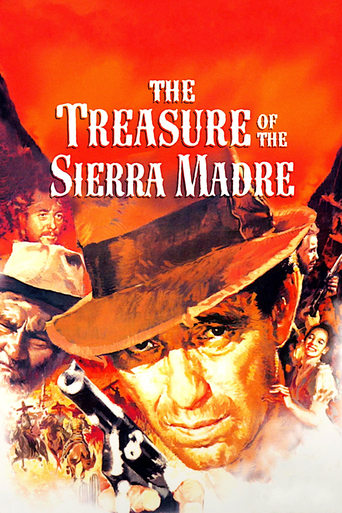
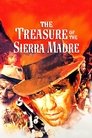
He quickly followed with Dark Passage in 1947, and then in 1948 landed a part in one of the most admired pictures of his entire career: The Treasure of the Sierra Madre, cast as James Cody. That appearance in the adventure classic confirmed his standing as a supporting performer capable of holding his place in major productions.
Earlier in the same decade, he had played Waco Hoyt in Sahara (1943), a wartime picture well matched to his rugged, direct manner. These 1940s titles remain the credits film lovers most readily connect with him.
Television in the 1950s
When television took off in the 1950s, Bennett moved with it, adapting to the new medium with ease. In 1950 he appeared as Dr. Grant on Lux Video Theatre, an anthology program that showcased dramatic performers, and in 1952 he portrayed Abe Lincoln on Cavalcade of America, a series built around historical and patriotic subjects.
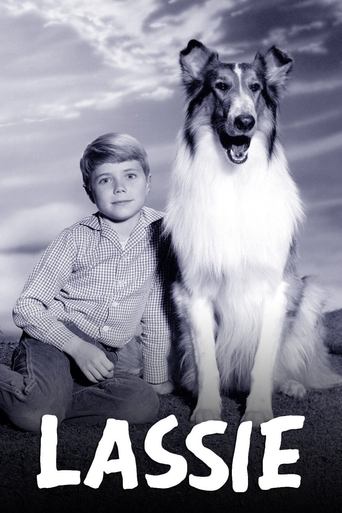
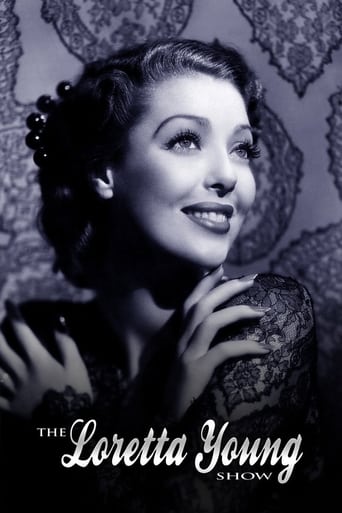
He stayed busy through the decade's middle years. In 1954 he was featured on Stories of the Century, playing William Clark and Charles Quantrill in the western anthology, and he also showed up that year on Lassie, among the most cherished family programs on the air. The year before, in 1953, he had played Seth Ranson on Letter to Loretta, another anthology drama with a long run.
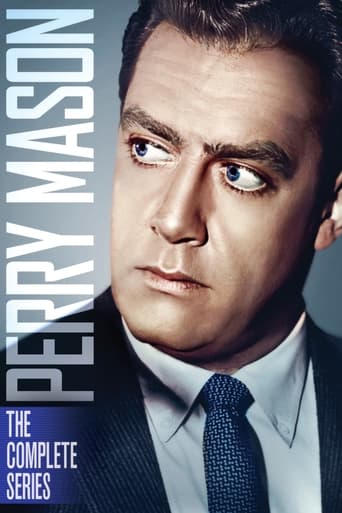
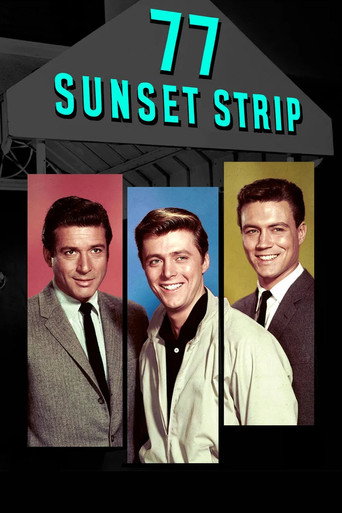
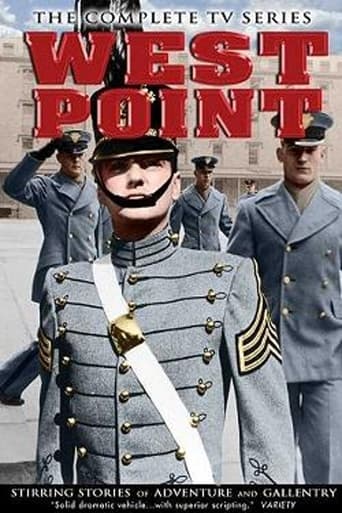
As the decade closed, he had become a regular presence on television: West Point in 1956, Perry Mason in 1957 as Lawrence Balfour, Panic! that same year, and 77 Sunset Strip in 1958. The variety speaks for itself: legal drama, detective stories, military-themed programming, and family entertainment, all in a handful of years.
The 1960s and a Long, Quiet Later Career
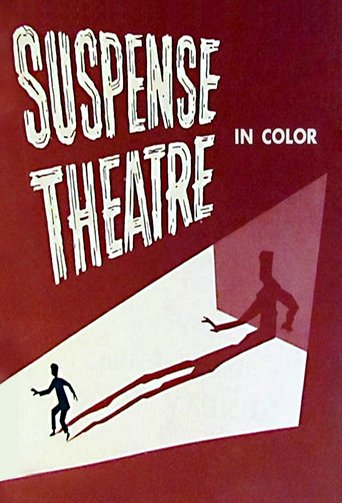
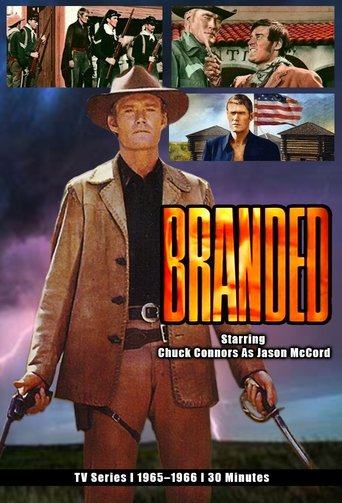
Work continued at a steady pace into the 1960s. In 1963 he was cast as Gen. Adams on Kraft Suspense Theatre, the anthology praised for its serious, suspenseful storytelling. In 1965 he joined Branded, the western about a soldier wrongly drummed out of the Army, a premise well suited to Bennett's dignified presence.
What truly distinguishes him from almost everyone of his generation is how far into the future his career reached. Starting in 1932 and ending in 2003, his working life ranks among the longest ever documented for an American screen performer. Though the later years brought fewer and smaller parts, the extraordinary length of his career reflects his dependability and the confidence filmmakers had in him.
Frequent Collaborators
Across his many years in the business, Bennett repeatedly worked alongside a familiar group of colleagues. He appeared in four titles with Barton MacLane, the hard-edged character actor seen in countless studio-era films, making the two a recognizable pairing for contemporary audiences.
He also shared credits multiple times with a set of dependable supporting players: Alan Hale, Monte Blue, and Robert Blake each appeared with him in three productions. On the directing side, Robert Florey and Buzz Kulik each worked with him on three titles. Such recurring teams were a hallmark of both the studio and television eras, when a stable roster of seasoned professionals moved from one production to the next.
Style and Range Across Genres
The foundation of Bennett's screen image was steadiness. He conveyed integrity, capability, and understated power, qualities that suited him to military roles, husbands, figures of authority, and men under strain. In war pictures such as Sahara, he blended naturally into casts of common soldiers.
His television credits reveal how flexible that base could be. He portrayed Abraham Lincoln in a historical anthology, appeared in the legal world of Perry Mason, played a general on a suspense series, and took guest spots in westerns, family programs, and detective shows. Few of his contemporaries shifted so easily between cinema and television, or between prestigious drama and popular episodic television.
His totals, over sixty movies and thirteen TV series, capture the essence of a true working actor: a professional who arrived, gave the role precisely what it needed, and stayed employed for more than seventy years.
Recognition, Legacy, and Where to Start
Comprehensive documentation of formal honors for Bennett is scarce, which is typical for character performers of his generation, whose value was often measured in durability and consistency rather than statuettes. His true recognition lay in the caliber of the productions he joined: featured parts in pictures now counted among America's cinematic classics.
For those new to his work, the obvious entry point is The Treasure of the Sierra Madre (1948), considered one of Hollywood's finest adventures, featuring Bennett as James Cody. Mildred Pierce (1945), in which he plays Bert Pierce, is a must for admirers of classic melodrama, while Dark Passage (1947) showcases late-1940s studio craft at its best. In television, his Perry Mason (1957) guest role and his Abe Lincoln on Cavalcade of America (1952) demonstrate his versatility in the medium that occupied much of his later career.
Bennett passed away on February 24, 2007, having lived through nearly the whole span of American screen entertainment and taken part in a remarkable portion of it.
Frequently asked questions
Who was Bruce Bennett?
Bruce Bennett was an American actor whose birth name was Harold Herman Brix, born in Tacoma, Washington. Active from 1932 to 2003, he appeared in over sixty films and thirteen television series, among them Mildred Pierce and The Treasure of the Sierra Madre.
What is Bruce Bennett best known for?
His 1940s film roles stand out above all: James Cody in The Treasure of the Sierra Madre (1948) and Bert Pierce in Mildred Pierce (1945), together with his extensive 1950s television appearances on shows such as Perry Mason and Lassie.
When and where was Bruce Bennett born?
He entered the world on May 19, 1906, in Tacoma, Washington, USA, as Harold Herman Brix. For most of his screen career he went by the stage name Bruce Bennett.
Did Bruce Bennett appear on television?
Yes, a great deal. From the 1950s forward he was seen on many series, among them Lux Video Theatre, Cavalcade of America, Lassie, Perry Mason, 77 Sunset Strip, Kraft Suspense Theatre, and Branded.
How long was Bruce Bennett's career?
His professional life stretched from 1932 to 2003, a span of over seventy years and one of the longest on record for an American film and television actor.










































Comments (0)
Log in or create a free account to comment, rate and write reviews.