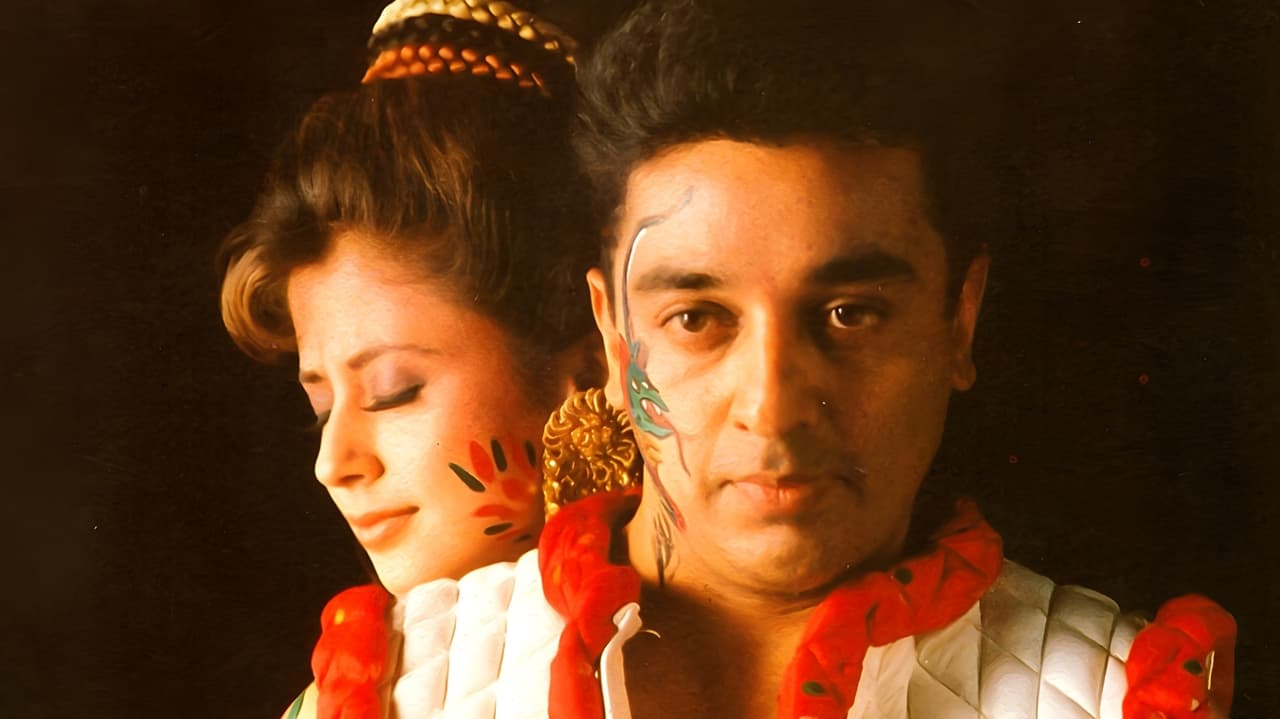

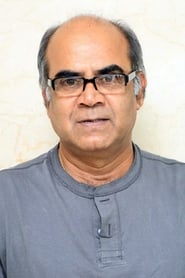
Some actors command attention without ever topping a poster, and Bala Singh belonged firmly to that group. Beginning his film journey in 1983 and remaining active into the 2010s, he grew into an indispensable presence in Tamil cinema, equally convincing as a sinister heavy, a doting father or a dryly funny side character. To regular filmgoers, spotting him on screen was a promise that the scene in front of them would be worth watching.
Who Was Bala Singh?
An Indian performer who built his career almost exclusively within Tamil-language cinema, Bala Singh amassed close to 80 film credits across a span exceeding three decades. He never pursued leading-man status, and that choice defined his worth to filmmakers: whenever a role needed to feel authentic or a threat needed to feel real, his was the face they called.
Modern audiences remember him chiefly through character work in landmark Tamil productions of the 1990s through the 2010s, among them Kamal Haasan's Indian, Mani Ratnam's Kannathil Muthamittal and the cult hit Jigarthanda. He passed away in November 2019, having been seen on screen that same year in two successful films.
Early Life and Background
He entered the world on 7 May 1952 in Kanyakumari, Tamil Nadu, the coastal district at India's southern tip. That corner of the state carries its own cultural flavour, and performers hailing from there frequently brought a grounded, unpolished authenticity to their work.
Little is publicly documented about his upbringing or schooling, a gap typical of supporting performers from his era. What can be said with certainty is that he approached filmmaking as a craftsman rather than a celebrity, earning his standing one part at a time instead of through publicity machinery.
Career Beginnings and Debut
With a screen career reaching back to 1983, he spent considerable time absorbing the craft of filmmaking before the wider audience learned who he was. In the manner of most supporting artists of his generation, he accepted the work available to him and gradually assembled the credibility that unlocks more substantial parts.
A major shift arrived with Nassar's Avatharam in 2009, a film that raised his profile and solidified the persona moviegoers came to associate with him: a commanding presence able to shoulder villainous material. From then on, work flowed steadily, and he remained continuously busy through the decade that followed.
Notable Roles Through the Decades
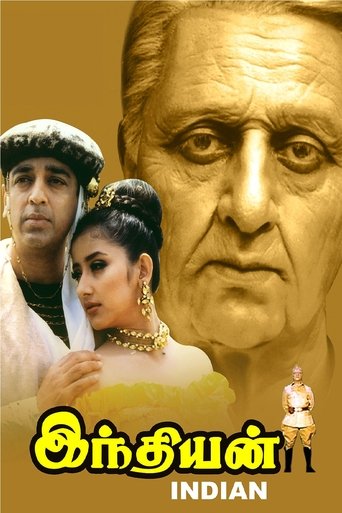
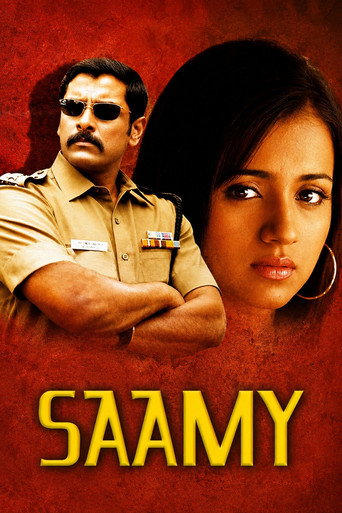
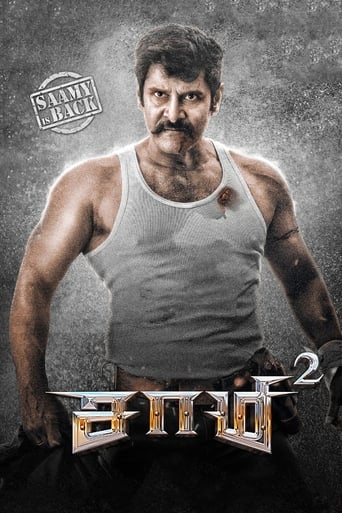
During the 1990s he settled into his position as a reliable character artist. Shankar's sprawling 1996 vigilante epic Indian featured him as a treasury department officer, one of countless compact but vividly sketched roles in that film. The early 2000s brought continued momentum: he took the part of Devanathan in Mani Ratnam's praised Kannathil Muthamittal (2002), portrayed a Chettiyar in the comedy Nala Damayanthi (2003), and joined the mass-audience hit Saamy (2003).
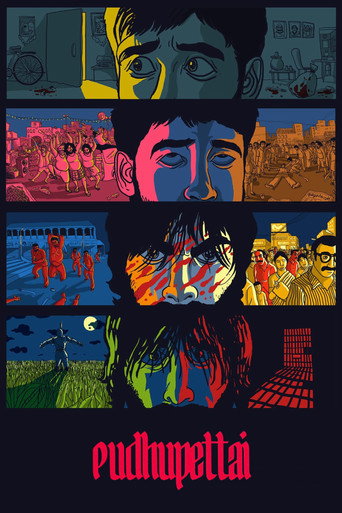
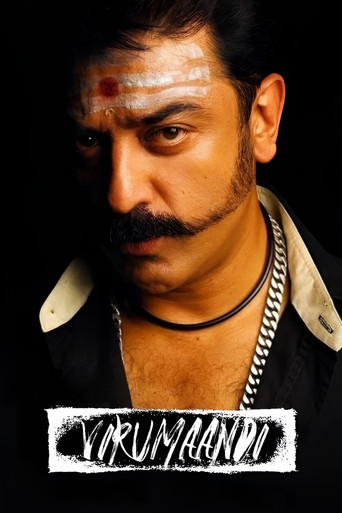
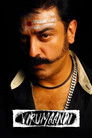
The middle of that decade displayed how wide his register stretched. Kamal Haasan's ambitious rural piece Virumaandi (2004) cast him as Rasu Kalai Thevar, a role requiring grounded, textured acting. He followed with the commercial entertainer Thirupaachi (2005), then in 2006 handled two contrasting jobs: Anbu in the hard-edged crime tale Pudhupettai and Rathnasamy in the comedy-action outing Rendu.
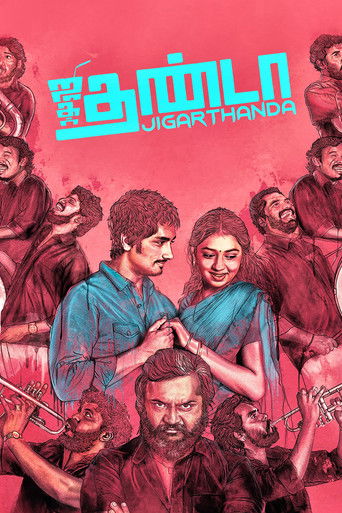
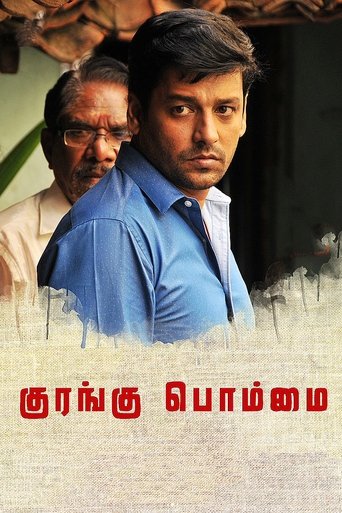
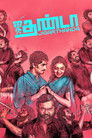
Some of his most cherished performances arrived in the 2010s. The period romance Madrasapattinam (2010) placed him among its villagers amid evocations of bygone Madras. Earlier, the mainstream action film Vettaikaaran (2009) had featured him as Rajasekhar. Toward the decade's end, two turns drew particular praise: as Viji's father in the lean thriller Kurangu Bommai (2017), and above all as Shanmugam in Karthik Subbaraj's Jigarthanda (2014), a picture whose supporting cast remains admired to this day.
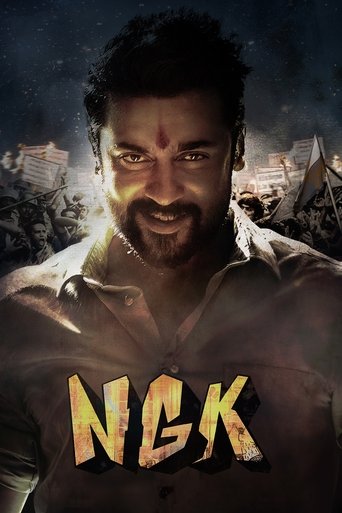
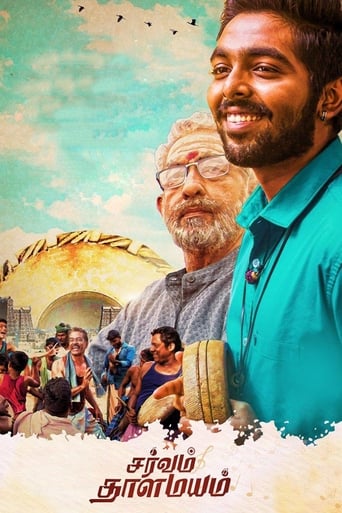
His closing years showed no slowdown. The 2014 biographical film Ramanujan, centred on the famed mathematician, also counted him among its cast. In 2019, his final year, viewers saw him as Giri in the political drama NGK and as Gokul Raj in the music-driven Sarvam Thaala Mayam, capping a lengthy career with strong material.
Frequent Collaborators
Supporting artists in Tamil cinema often form informal circles of repeat collaborators, and Bala Singh was very much part of that pattern. His most common scene partner was Thalaivasal Vijay, with seven films linking the two, a frequency pointing to real professional rapport.
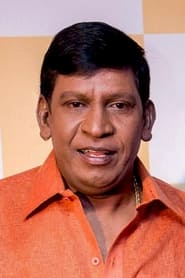
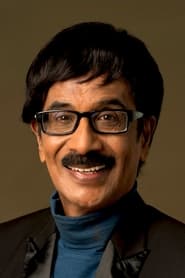
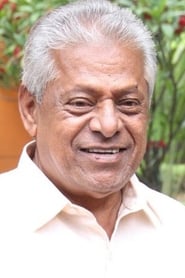
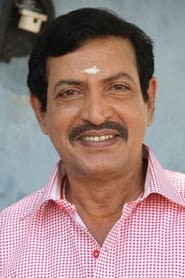
He also appeared alongside the comedian Vadivelu in six pictures, an arrangement that let his deadpan seriousness play against one of Tamil comedy's most animated performers. Delhi Ganesh and Manobala each shared five credits with him, while Murali and Rajesh each appeared with him in four. Such recurring ensembles lent Tamil films of the era their comfortable, familiar ensemble feel.
Style and Range
Flexibility was the hallmark of his acting. One film might require him to be an intimidating heavy in an action picture; the next could ask for a mild-mannered paternal figure, and neither assignment felt forced. Much of the effect came from his face, whose weathered, alert quality directors could steer toward menace or warmth simply through how they shot him.
The breadth of his filmography proves the point. He navigated the political heat of Indian, the tender family drama of Kannathil Muthamittal, the rustic world of Virumaandi, the shadowy urban landscapes of Pudhupettai and Jigarthanda, and the soft melodic setting of Sarvam Thaala Mayam. Comparatively few supporting artists of his generation spanned such varied material.
Recognition and Legacy
Formal award documentation for Bala Singh is sparse, as is often the case for character performers whose impact registers scene by scene rather than in marquee parts. His true reward was continuous employment within the industry and the loyalty of viewers who retained his characters well past the end credits.
What he leaves behind is a benchmark for supporting acting in Tamil film: economy of movement, zero showboating, and a character who felt genuinely inhabited. Titles such as Jigarthanda and Kurangu Bommai keep finding fresh audiences, and through them his work keeps reaching viewers who never witnessed his career firsthand.
Where to Start Watching
First-time viewers should begin with Jigarthanda (2014), a sleek, darkly comic film in which his Shanmugam stands out as a highlight. Kurangu Bommai (2017) provides a compact thriller format that suits his understated style.
Kannathil Muthamittal (2002) places him within one of Tamil cinema's most treasured dramas, while Virumaandi (2004) shows him handling a demanding, earthbound rural part. Indian (1996) rounds out the list, valuable both as a classic in its own right and as a window into his early career in a landmark production.
Frequently asked questions
Who was Bala Singh?
Bala Singh was an Indian actor who worked primarily in Tamil cinema. From 1983 until his passing in 2019 he accumulated roughly 80 film credits, mostly in supporting and character parts, with a particular strength for antagonists and figures of authority.
What is Bala Singh's most famous role?
Audiences most readily recall him as Shanmugam in Jigarthanda (2014). His portrayals of Devanathan in Kannathil Muthamittal (2002), Rasu Kalai Thevar in Virumaandi (2004) and Viji's father in Kurangu Bommai (2017) are also often mentioned.
When and where was Bala Singh born?
He was born on 7 May 1952 in Kanyakumari, Tamil Nadu, India, and died on 27 November 2019.
Did Bala Singh appear in any films released in 2019?
Yes. During his last year he featured as Giri in NGK and as Gokul Raj in Sarvam Thaala Mayam, both 2019 releases.
Which actors did Bala Singh work with most often?
He appeared most frequently alongside Thalaivasal Vijay (seven shared films), Vadivelu (six), Delhi Ganesh and Manobala (five apiece), and Murali and Rajesh (four each).



































































Comments (0)
Log in or create a free account to comment, rate and write reviews.