

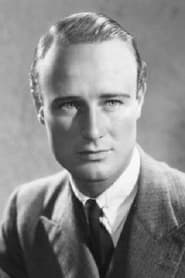
Anyone who watched British television through the post-war decades will remember André Morell as the dependable figure who could be relied upon to appear in almost anything — sometimes a military officer, sometimes an aristocrat, always projecting calm authority. A Londoner by birth, he worked continuously between 1940 and his death in 1978, assembling a filmography that touched many of the most prestigious productions of his time.
Origins and Early Years
He came into the world on 20 August 1909 in the Saint Pancras district of London, England, registered at birth as Cecil André Mesritz. Over time he would be billed under variant spellings including Andre Morell, while certain international sources render his name in Cyrillic as Андре Морелл.
Little is recorded about his childhood or formal training, but in the manner typical of British performers of his era, he progressed from the stage into screen work, developing there the precise delivery and authoritative presence that later became his trademark.
Entering the Profession
His screen debut arrived in 1940, just as wartime conditions were transforming the British entertainment industries. Television in particular became a pillar of his working life; by the end of his career he had amassed credits across 47 films and 29 television series, a volume that demonstrates how consistently producers sought him out.
An early highlight on the small screen came in 1950, when he took the part of O'Brien in Sunday Night Theatre, the BBC's leading anthology drama slot. Such programmes, which adapted literary material for home audiences, provided a dependable platform for character actors like Morell.
Big-Screen Recognition in the Late 1950s
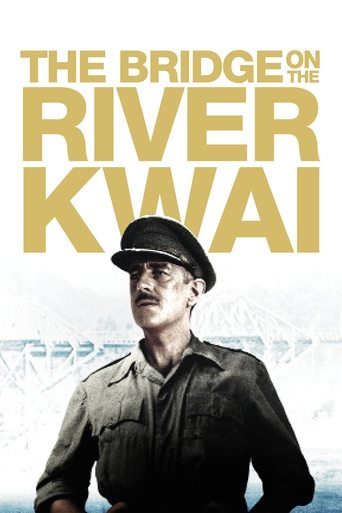
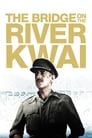
The second half of the 1950s delivered his highest-profile cinema work. In 1957 he played Colonel Green in The Bridge on the River Kwai, David Lean's acclaimed prisoner-of-war picture that stood among the decade's landmark British films. Taking part in a production of that standing considerably raised his profile.
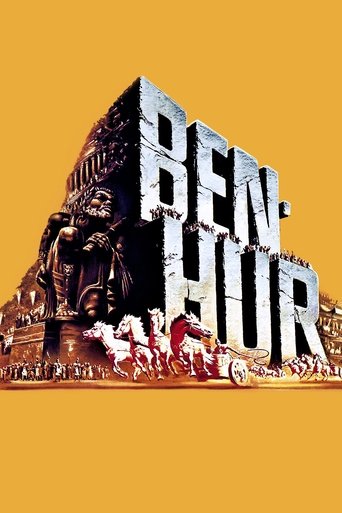
In 1959 he followed it with the role of Sextus in Ben-Hur, MGM's vast spectacle that ruled the era's screens. Featuring in two of the period's grandest productions within two years established him as a performer who could hold his own among enormous casts and lavish staging.
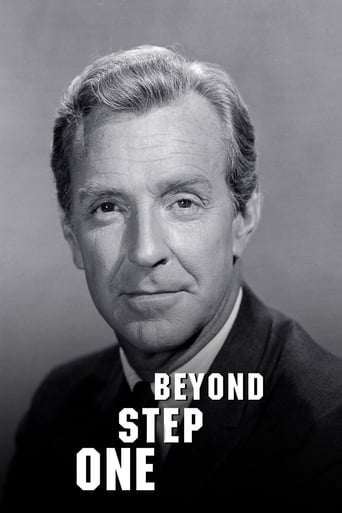
That same year he also crossed over to American television, appearing in the anthology One Step Beyond as General Guenther Hautmann — proof that his talents were wanted on both sides of the Atlantic.
Television Dominance in the 1960s
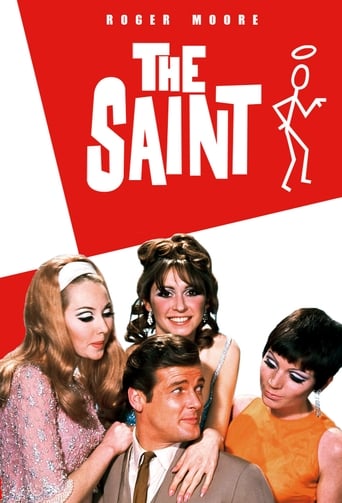
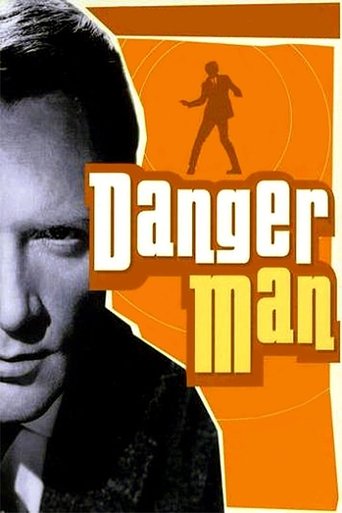
Despite the prestige of his film roles, television occupied most of his schedule. He appeared as Lord Teale in The Avengers in 1961, the stylish spy drama that became a cultural landmark, and as Bernhard Raxel in The Saint in 1962, another hugely popular adventure series. His 1960 turn in Danger Man gave him a third credit among the era's espionage shows.
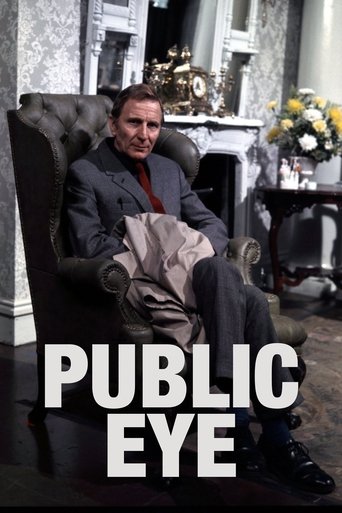
Away from the adventure serials, he was a familiar presence in the period's respected drama strands: he played Richard Heyrick in Theatre 625 in 1964 and Cyril Horsham in BBC Play of the Month in 1965, both showcases for the finest British writing and performance. Also in 1965 he took the part of Robert Stuart in Public Eye, the hard-edged drama following a private investigator.
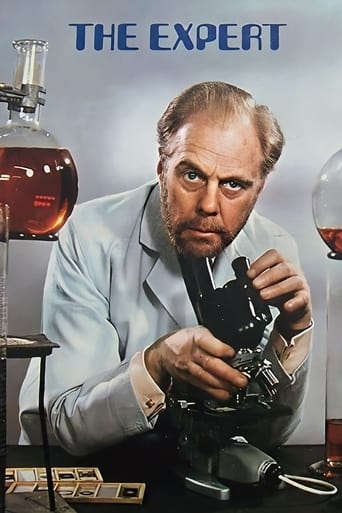
His 1960s television run concluded with The Expert in 1968, in which he portrayed Major Williams, extending his long association with military and professional authority characters.
The 1970s: Play for Today and Beyond
During the 1970s he adapted smoothly to the grittier, contemporary drama of the decade. In 1970 he appeared as Sir Geoffrey Wolf in Play for Today, the BBC's renowned single-play strand known for tackling present-day subjects with an immediacy earlier television had seldom attempted.
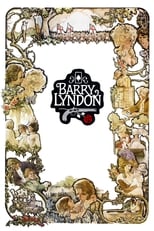
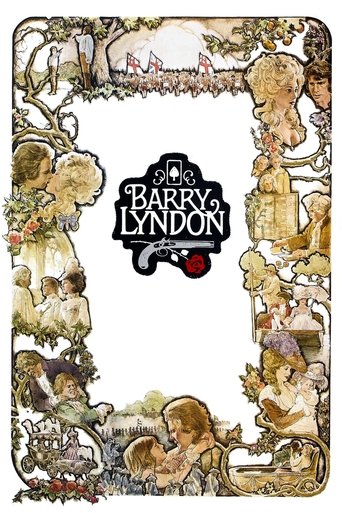
He returned to the cinema in 1975 as Lord Wendover in Barry Lyndon, Stanley Kubrick's painstakingly crafted period piece. Once more he featured in one of the most admired films of its day, in precisely the kind of patrician establishment role he handled best.
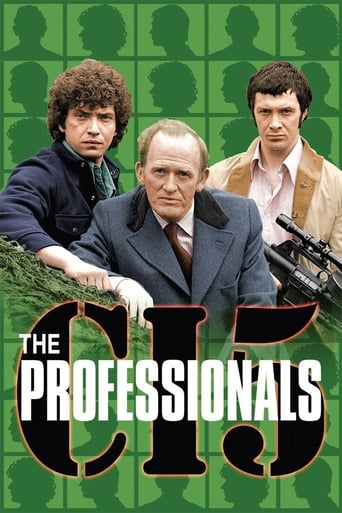
His last listed television appearance came in 1977 as Brigadier Stadden in The Professionals, the high-octane series about an elite crime-fighting unit then near the peak of its popularity. It was an appropriate late casting: crisp, commanding, and entirely consistent with the persona he had developed over four decades.
A Final Voice Performance: The Lord of the Rings
One of his last screen contributions suited an actor renowned for his voice. In 1978 he voiced Elrond in The Lord of the Rings, the ambitious animated treatment of Tolkien's epic directed by Ralph Bakshi.
For a performer whose rich, expressive voice would be singled out in his obituary, closing his screen career as the voice of the lordly elf-ruler of Rivendell made for a fitting conclusion. The film reached cinemas in the year he died, standing as a posthumous coda to a long and varied body of work.
Regular Collaborators
His career rested in part on lasting professional ties with a small circle of British directors. Christopher Morahan tops the list with seven shared titles, a reflection of Morahan's prominence in BBC drama during that era.
Stuart Burge, another fixture of television drama, shared six titles with him, while Robert Day, John Gilling, John Gorrie and James Ormerod each share five. This pattern of repeat partnerships shows how the mid-century British industry functioned: a compact pool of directors and character players who moved between productions together, developing mutual trust across genres.
Screen Persona and Lasting Reputation
Authority defined his screen identity. Playing colonels, brigadiers, generals, lords and men of the professions, he supplied the patrician steadiness that directors evidently prized. Yet the breadth of his credits — spy thrillers, adventure serials, literary adaptations and epic cinema — reveals greater range than the label 'authoritative character actor' implies.
He is best remembered as a consummate supporting performer: the actor who made the leads around him more believable. Newcomers to his work should begin with The Bridge on the River Kwai (1957) and Ben-Hur (1959) on the big screen, while Barry Lyndon (1975) shows him in a later, more polished mode. On television, The Avengers (1961) and The Professionals (1977) capture the small-screen command that made him a familiar figure to generations of British audiences.
André Morell died on 28 November 1978, ending a career that had run unbroken from 1940 — nearly forty years of film and television work that still rewards discovery today.
Frequently asked questions
Who was André Morell?
André Morell (1909–1978) was a British character actor born in Saint Pancras, London. Working from 1940 until 1978, he accumulated 47 film and 29 television credits, most often portraying authoritative types such as officers, officials and aristocrats.
What movies was André Morell in?
Among his best-known films are The Bridge on the River Kwai (1957) as Colonel Green, Ben-Hur (1959) as Sextus, Barry Lyndon (1975) as Lord Wendover, and the 1978 animated The Lord of the Rings, in which he voiced Elrond.
Did André Morell appear on British television?
Extensively. His small-screen credits include The Avengers (1961), The Saint (1962), Danger Man (1960), Public Eye (1965), BBC Play of the Month (1965), Play for Today (1970) and The Professionals (1977), alongside many other series and anthologies.
What was André Morell's real name?
He was born Cecil André Mesritz on 20 August 1909 in Saint Pancras, London. He was occasionally billed as Andre Morell, and some sources render his name in Cyrillic as Андре Морелл.
When did André Morell die?
André Morell died on 28 November 1978. His final screen appearance, as the voice of Elrond in the animated The Lord of the Rings, was released that same year, closing out a screen career of almost four decades.



















Comments (0)
Log in or create a free account to comment, rate and write reviews.